Fewer tubes, faster recovery: Guangzhou tubeless surgery to be introduced to more hospitals, benefiting patients
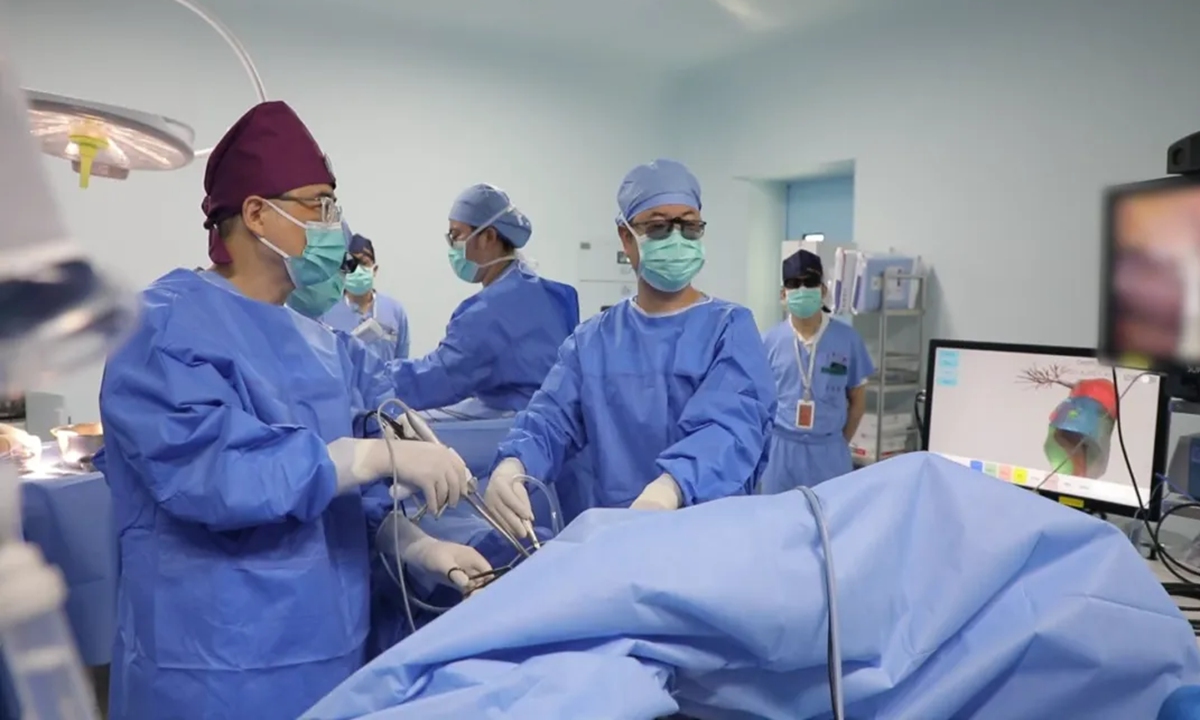
Photo: Guangdong provincial health commission
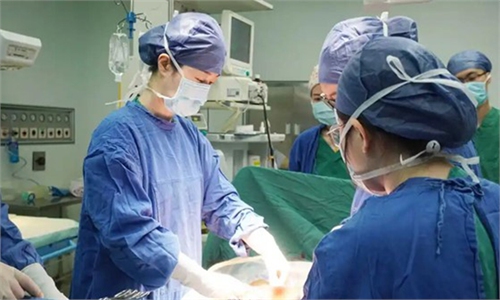
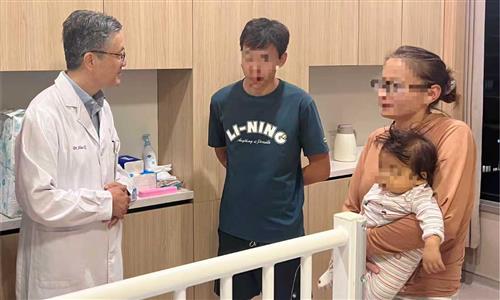
No breathing tube, no chest drains, no urinary catheter - and no waiting around in bed. Just hours after surgery, patients can sit up and have a drink on their own; the next day, they may already be walking out of the impatient ward. Originating in South China's Guangdong Province, this innovative "tubeless" technique is now moving beyond a skill practiced by a few hospitals toward a safe, standardized approach that can reach many more patients.The story began in 2011, when Professor He Jianxing and his team at the First Affiliated Hospital of Guangzhou Medical University performed the world's first radical surgery for lung cancer using this "tubeless" approach.
Today, the hospital has unveiled a new standardized training base for the Guangzhou tubeless centers, with more than 20 medical institutions across the city joining as pilot centers. The goal is clear: to take this Guangzhou-born innovation from a technique practiced by only a few hospitals to a safe, standardized practice available to many more.
In traditional thoracic surgery, endotracheal intubation, chest drainage tubes, and urinary catheters are almost standard. They help ensure surgical safety, but they also mean throat pain, discomfort when turning over, difficulty getting out of bed, and a prolonged recovery period.
"Tubeless surgery has never been simply about removing the tube," said He. "Behind the removal of these tubes is a change in the anesthetic approach, greater precision in surgical procedures, and a transformation of the entire nursing and rehabilitation process. It requires surgeons, anesthesiologists, nurses, and rehabilitation specialists to sit down together and completely redesign the surgical procedures﹣from preoperative assessment all the way to the patient's return home."
The standardized training base, officially inaugurated on March 31, will be responsible for advancing tubeless technique training and capacity building across Guangzhou.
The base will establish a unified training system and assessment standards, offering multidisciplinary training for surgeons, anesthesiologists, nurses, and other relevant professionals. Working in teams, participants will receive training through lectures, simulation exercises, clinical demonstrations, surgical observation, case discussions, and hands-on practice.
The hospital plans to incorporate the development of the training base into its broader strategy for building a high-level university, providing support for faculty certification, the development of curricula and assessment systems, and the compilation of teaching materials. It will also support the base in offering training programs for international participants and developing courses and teaching materials in English.
Recently, a tubeless surgery forum held at the hospital brought together experts from thoracic surgery, orthopedics, anesthesiology, cardiology, gynecology, and other specialties. Discussions focused on patient selection, perioperative management, anesthesia-surgery coordination, safety, and standardized implementation.
Experts noted that tubeless techniques cannot simply be applied across specialties and further clinical exploration is needed to develop specialty-specific approaches while ensuring safety.
Zhong Nanshan, an academician of the Chinese Academy of Engineering stressed the importance of a "steady" approach to adoption of the technique. Not every patient, hospital, or clinical team is ready for tubeless surgery. Clear criteria, standardized procedures, emergency conversion protocols, and coordinated anesthesia and nursing support must be established and assessed.
"The greatest significance of the standardized training base is not to promote the technology faster, but to promote it more steadily," Zhong said. He encouraged young doctors to collect high-quality clinical data and build evidence-based standards that can gain international recognition.
The training base will soon launch its first training program, while pilot hospitals will advance implementation in parallel. Standardized case registration and real-world data collection will also support the continuous improvement of relevant standards, with the ultimate goal of enabling doctors in more regions to perform tubeless surgery safely and consistently.
Global Times
RELATED ARTICLES