Online influencer teacher’s call to downgrade English study’s status as a core subject reignites social media debate
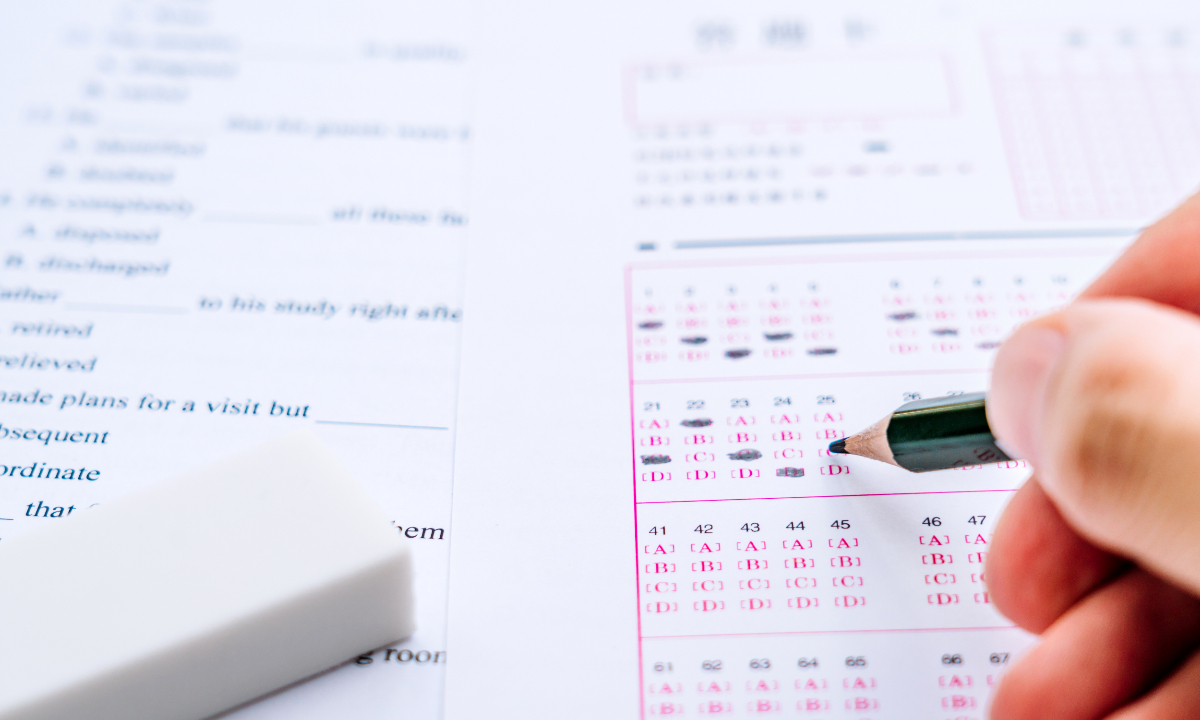
Photo: VCG
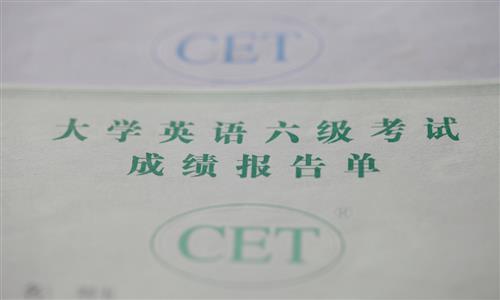
A Chinese math teacher and online influencer calling for stronger history education and an end to English being treated as a core subject has in recent days sparked widespread online debate, with supporters saying AI translation has reduced the need for English while opponents argue the language remains vital to scientific research, international trade and global academic exchanges, as well as China’s long-term competitiveness.
According to publicly available information, the teacher Tang Jiafeng holds a PhD in mathematics from Nanjing University and is a prominent postgraduate exam instructor who has long worked in graduate school entrance exam preparation. The controversy began with his concerns over high school entrance exam reforms in some regions, according to a report from guancha.cn.
The Education Department of Liaoning Province announced on August 28 that it had decided to stop counting biology, geography and history scores toward the total scores for eighth-grade students starting fall semester of 2026. Results in the three subjects will be reported as “levels” and not counted in the high school entrance exams, as part of efforts to reduce students’ academic burden, according to China Economic Net.
This move drew criticism from Tang, who argued that English, rather than history, should be scaled back to ease students’ academic burden. Tang said history is vital to national identity and spirit, while English should no longer be treated as a core subject. In a series of posts last Friday, he said that “there is no country in the world that places English in such a supreme position as we do.”
According to media reports, Liaoning is not alone or the first in reforming the score rules. Beijing began treating history, geography, chemistry and biology as level-based subjects in 2025. Jilin Province, Huangshan city in Anhui Province, Xianyang in Shaanxi Province and Suqian in Jiangsu Province had adopted similar changes, mainly affecting biology and geography, with history remaining a scored subject, according to media reports.
Tang’s remarks have sparked heated online debate. Supporters say English study has become an inefficient “rat race” for test scores, arguing that the subject should be made an optional or interest-based course so that students can devote more time to subjects that they consider more important, such as Chinese and history. They also argue that AI translation has lowered language barriers in cross-language communication and reduced the need for English, calling for less emphasis on the foreign language and greater cultural confidence, per guancha.cn.
Opponents, however, warn that downgrading English could deepen educational inequality, as affluent families could turn to private tutoring while students from moderate families lose equal opportunities to compete. They also argue that English remains vital to scientific research, international trade and global academic exchange, and that weakening English education could undermine China’s long-term competitiveness.
According to Xiong Bingqi, director of the 21st Century Education Research Institute, the reasons put forward by both supporters and opponents could apply to almost any subject. Take mathematics, for example: Students spend years mastering advanced concepts, but they actually use very little of that higher-level knowledge after graduation.
When it comes to the impact of AI on English as a language subject, AI also affects Chinese language studies, as well as many other subjects. The same logic would mean students no longer need to study any of those subjects, Xiong said.
In reality, the public debate on this issue has been fragmented. The more important questions are whether removing English from its status as a core subject would actually achieve the intended goals of “reducing burden” and what new problems such a change might create. These are the issues that deserve deeper consideration, Xiong told the Global Times on Monday.
Xiong suggested that in the future, university admissions should be reformed to give institutions greater flexibility in setting subject and score requirements. Some programs may require strong foreign-language skills, while others could make them optional or set lower thresholds, allowing students to choose based on their interests and strengths.
RELATED ARTICLES