Japan's ambition for military 'normalization' Illustration: Chen Xia/GT
An official from Japan's Foreign Ministry stated bluntly: "Ensuring maritime security for the entire South China Sea is extremely important for Japan's security." Such rhetoric sounds high‑minded, yet harbors malicious intent.
According to reports, Japan has selected seven potential sites, including the Natuna Islands, after "comprehensively considering factors such as natural conditions and the importance of surveillance." The Natuna Islands happen to be located near the area where "China and Indonesia's maritime claims overlap." This is indeed quite a "coincidence." Clearly, the Japanese government's intentions go far beyond simply helping Indonesian fishermen catch a few more boatloads of fish.
In recent years, Japan has frequently provided fishery‑enforcement vessels, large patrol ships, coastal radar systems, and maritime surveillance technology to several countries in the South China Sea region. Coupled with targeted port‑related infrastructure projects, it has unleashed a combined "ship‑plus‑port" strategy. Without deploying a single soldier, Japan has planted "eyes" and "hands" at key strategic points across the South China Sea.
Southeast Asian countries that had fallen victim to Japanese aggression during WWII should have received war reparations from Japan; but since Japan was unwilling to pay, it offset its compensation obligations through machinery, equipment, engineering aid, and yen-denominated loans. This is the origin of ODA. For many years, Japan has packaged the settlement of its war crimes as a "peaceful gesture" of "helping neighboring countries with development."
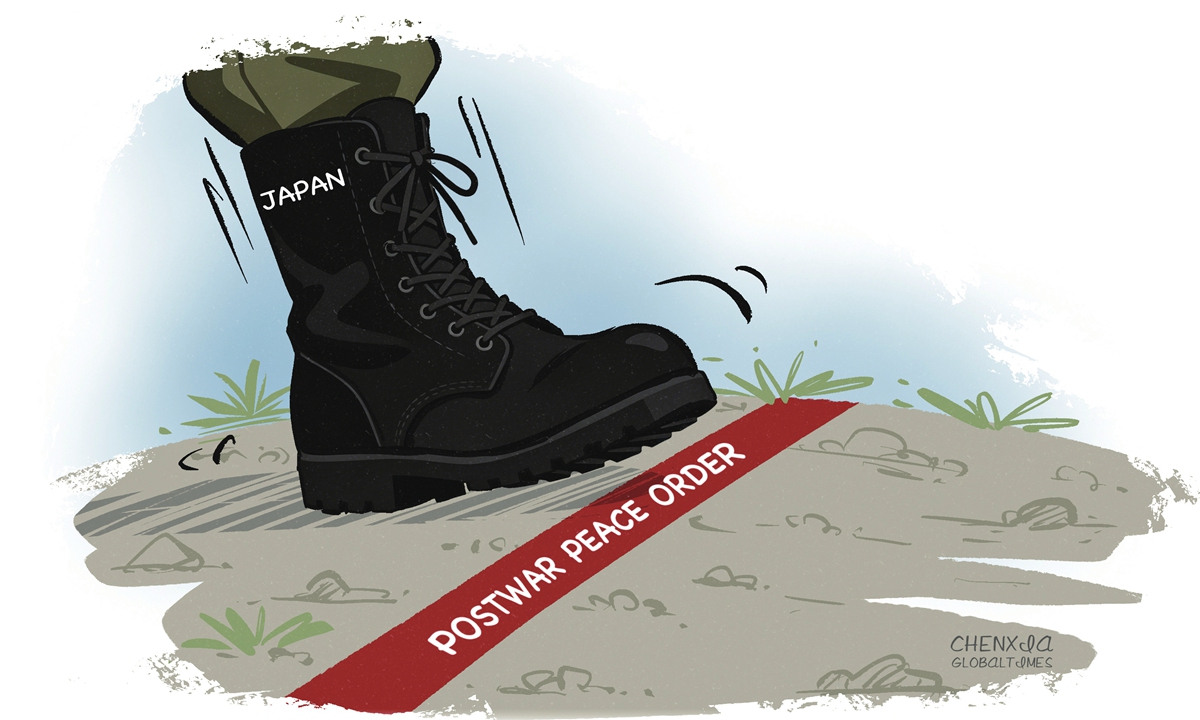
However, as Japan has significantly relaxed its arms export regulations, ODA has gradually lost its original intent. In 2023, Japan also established the "Government Security Capacity Enhancement Support" (OSA) - the first postwar security assistance mechanism capable of directly transferring military equipment abroad.
Under the guise of ODA and OSA, Tokyo is attempting to deeply integrate the maritime security systems of countries surrounding the South China Sea with Japan's own by exporting equipment, technology, standards, and intelligence. This "combination of aid measures" is taking on an increasingly military character.
There's no such thing as a free lunch from Tokyo. This "aid," driven by geopolitical calculations, conceals Japan's ulterior motive to destabilize the South China Sea from inside out. Building fishing ports is like "raising fish"; only once they've grown large enough can Japan "go fishing." Its longer‑term ploy is to seek a "ride on others' vessels" for its own military power.
Japan seeks to push countries like Indonesia to the frontlines of South China Sea rivalry, while hiding behind the scenes to orchestrate its "proxy gambit." This allows Japan to avoid risks of direct confrontation yet reap intelligence and strategic dividends. Indonesia and other ASEAN nations must be particularly vigilant against this "wolf in sheep's clothing" ploy.
RELATED ARTICLES