Why is CNN ‘surprised’ that Jane Eyre is included in China’s middle school curriculum?
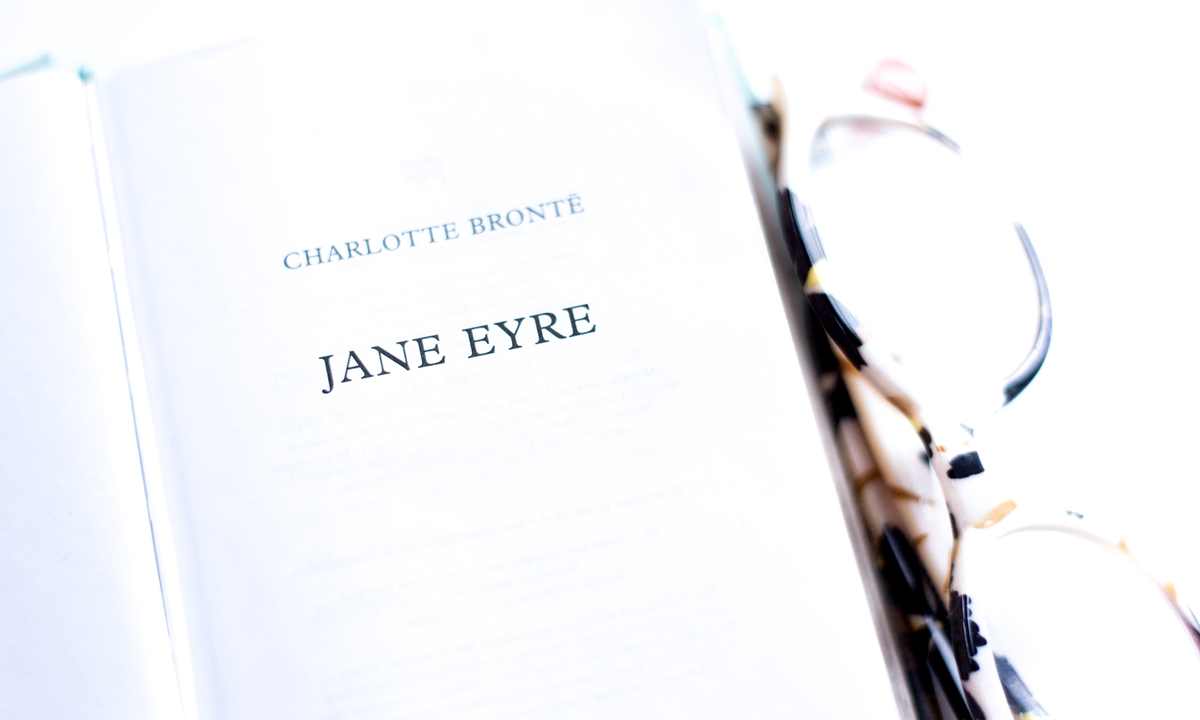
Photo: VCG
In the fall semester of 2026, the British literary classic Jane Eyre was included in the ninth-grade Chinese language curriculum as part of the "whole-book reading" list. CNN reported on the news, but described China's textbooks as being "tightly curated by the state," claiming that the inclusion of such a British romantic classic was "surprising."
But what is so "surprising" about Jane Eyre being included in Chinese middle school curriculum?
Thornfield Hall, Rochester, the secret in the attic, and Jane Eyre herself - a petite woman of plain appearance who refuses to yield to fate - have long been part of the shared literary memory of generations of Chinese readers. As early as 1917, "A Sketch of Western Women Novelists" published in Women's Magazine, a magazine founded in Shanghai in 1915, introduced Charlotte Bronte and Jane Eyre. In July 1925, Zhou Shoujuan's translation Chong Guang Ji is believed to be the earliest Chinese translation of the novel. In 1979, the film Jane Eyre was released in China. In 1980, the Shanghai Translation Publishing House published Zhu Qingying's translation, with an initial print run of about 270,000 copies.
How could it be "surprising" that a work read in China for over a century - given its immense popularity - has become part of the required reading list for Chinese students? Is it that CNN's understanding of China is too outdated, or that it simply refuses to take off its colored glasses?
The Chinese Ministry of Education has clearly stated that Chinese language textbooks include "a wide range of classical and contemporary works from both China and abroad." Many foreign literary classics such as Resurrection, One Hundred Years of Solitude, Hamlet, and To the Skylark have already been included in Chinese language textbooks. CNN's reporters may not even be aware that former US president Abraham Lincoln's Gettysburg Address has also been included in the People's Education Press high school elective curriculum.
What is even more puzzling is that in its report, CNN specifically interviewed several Chinese parents and scholars who opposed the inclusion of Jane Eyre, citing concerns that the book might "teach girls in class that their brain should being wrongly ruled by love." While questioning whether it helps adolescents develop "healthy values," it made no mention of the broad public appreciation for the novel in China. When quoting coverage from the Beijing Daily, CNN also selectively omitted student reflections from a Jane Eyre reading session - insights that touched on core themes of love, respect, growth, and emotional resonance with remarkable precision.
Great literature transcends language, nationality, and time. The enduring resonance of Jane Eyre among Chinese readers is a testament to the success of cultural exchange between China and the world. The CNN report, which repeatedly emphasized "surprise," does not appear to be an attempt to challenge stereotypes about China, but rather to reinforce them under a different guise.
RELATED ARTICLES