Chinese military to participate in ADMM-Plus disaster-response exercise in Indonesia
By Published: Sep 21, 2026 08:04 PM

hina's Ministry of National Defense
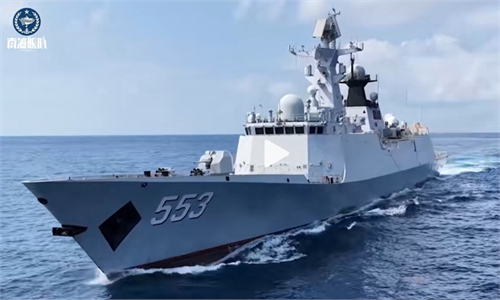
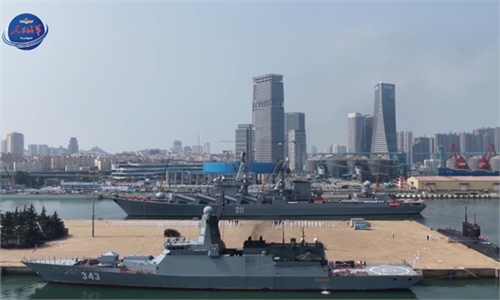
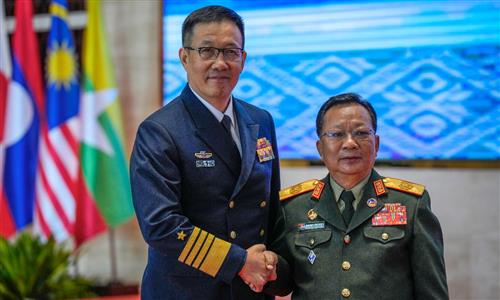
The Chinese military will participate in the ASEAN Defence Ministers' Meeting Plus (ADMM-Plus) Exercise Trident Resolve, a multinational disaster-relief exercise in Indonesia from September 22 to 25, practicing search and rescue, emergency medical care and disaster communications under a simulated major-earthquake scenario, China's Ministry of National Defense (MND) said Monday.
Based on an earthquake and ensuing complex disasters, the exercise will combine tabletop simulations with field drills in rubble search and rescue, multinational medical treatment, epidemic prevention and disinfection, and emergency communications. It aims to strengthen participating forces' capacity for coordinated cross-border humanitarian operations, improve regional disaster-response mechanisms, and promote regional peace and stability, according to the MND.
China's participation in Exercise Trident Resolve is of positive significance to deepening China-ASEAN military mutual trust and practical defense-related cooperation. It also demonstrates China's defensive national defense policy, its commitment to fulfilling its international responsibilities, providing public security goods and promoting common, comprehensive, cooperative and sustainable security vision without bloc confrontation, Zhang Junshe, a Chinese military affairs expert, told the Global Times on Monday.
Zhang also noted that the exercise will strengthen China-ASEAN coordination in disaster relief, including search and rescue, medical care and epidemic control, while improving rapid-response capabilities in disaster-prone Southeast Asia. Conducted under the ADMM-Plus framework, it is also a non-confrontational security exchange that does not target any third party and helps deepen defense mutual trust and regional stability.
The exercise is scheduled to be held in Indonesia's Banten province and brings together three ADMM-Plus Experts' Working Groups covering humanitarian assistance and disaster relief, military medicine and cybersecurity, according to a report from the Voice of Indonesia in January.
The current regional landscape demands a high level of international assistance readiness and interoperability between the ASEAN armed forces and eight dialogue partner countries, namely the US, Australia, China, India, Japan, South Korea, New Zealand, and Russia, according to the report.
Amid growing regional security challenges, China and ASEAN could use ASEAN-led mechanisms to turn mutual trust into regular, institutionalized cooperation. China will continue supporting ASEAN centrality, strengthening defense dialogue and practical exchanges, and improving crisis-management channels to manage differences and safeguard regional peace and stability, said Zhang.
RELATED ARTICLES