Enhancing cooperation between China and the US benefits the world: Global Times editorial
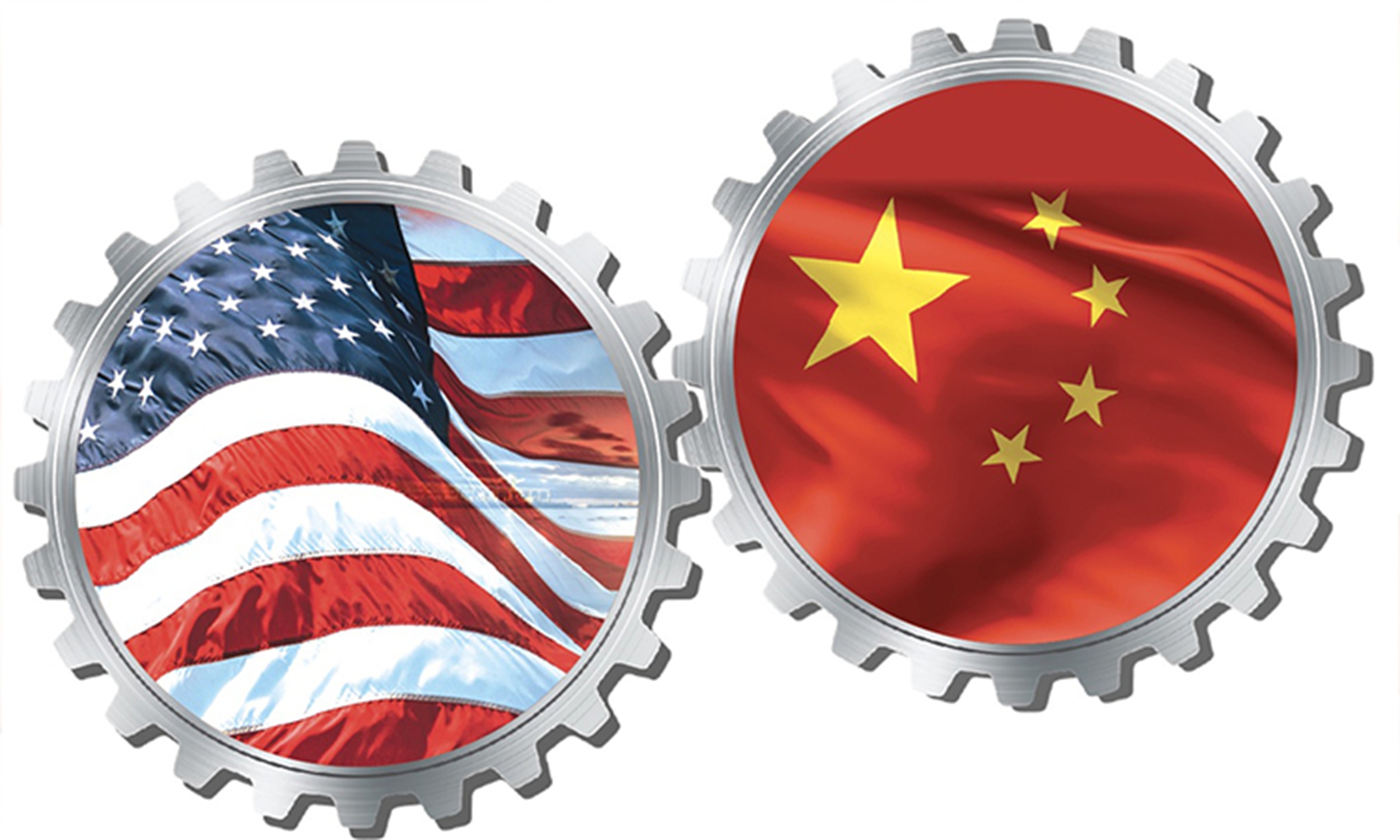
China US
The reciprocal visits by the Chinese and US heads of state within six months carry historic and milestone significance. Facts show that as long as China and the US work together in the spirit of equality, respect and mutual benefit, they can find ways to address each other's concerns.Chinese President Xi Jinping will pay a state visit to the US from September 23 to 25 at the invitation of US President Donald Trump. The announcement has drawn close attention from the international community. As one of the world's most important bilateral relationships, the direction of China-US relations concerns not only the well-being of the two peoples but also the stability of the global landscape. The world has high expectations that China and the US will send a positive message of their commitment to advancing a constructive relationship of strategic stability and jointly promoting world peace and development.
The reciprocal visits by the Chinese and US heads of state within six months carry historic and milestone significance. In May this year, President Trump paid a state visit to China, during which the two heads of state had candid, in-depth, constructive and strategic communication on major issues concerning China-US relations and world peace and development. They agreed to build a "constructive China-US relationship of strategic stability" - the new positioning of bilateral ties, providing strategic guidance for China-US relations over the next three years and beyond while sending a positive signal of peace and cooperation to a world marked by intertwined changes and turbulence. The realization of reciprocal visits of the two heads of state demonstrates that, for some time, China-US relations have generally moved along the track of constructive strategic stability charted by the two heads of state, helping respond to the expectations of the international community.
Head-of-state diplomacy serves as the anchor of China-US relations. Since May, under the strategic guidance of the important consensus reached by the two heads of state, China and the US have made positive progress in cooperation across political, diplomatic, economic and trade, people-to-people, and counternarcotics fields. Exchanges have also increased between the two countries' legislatures, local governments, business communities, academic institutions, media organizations and other sectors, with the list of areas for cooperation continuing to grow. The two sides have agreed to support each other in successfully hosting the 2026 APEC Economic Leaders' Meeting and the G20 Summit, sending a signal of stability and predictability to the international community. At this special juncture, as China begins its 15th Five-Year Plan period (2026-30) and the US marks the 250th anniversary of its independence, there is every reason to believe that 2026 will become a historic and landmark year that builds on the past and opens up new prospects for China-US relations.
As permanent members of the UN Security Council and the world's two largest economies, China and the US together account for more than one-third of global economic output and nearly one-quarter of the world's population, while their bilateral trade accounts for about one-fifth of global trade. A stable China-US relationship is in itself a major contribution to world peace and development and a critical variable affecting peace, stability, development, cooperation and global governance. Whether in multilateral frameworks for addressing climate change, reform of the international financial system, or the formulation of global rules for emerging technologies, stability in China-US relations is a prerequisite for substantive progress on global governance issues. Facts show that every positive step in China-US relations brings tangible benefits to the international community. Proactive efforts by China and the US to build a constructive relationship of strategic stability will provide strong support for addressing the current global governance deficit.
Competition between major countries is normal, but it should not define the entirety of China-US relations. This is especially true at a time when the global economic recovery remains under pressure, regional conflicts persist, energy and supply-chain risks are intertwined, and a new round of technological revolution and industrial transformation is rapidly reshaping industrial and security landscapes. In such an international environment, even where competition exists between China and the US, it should be a healthy one where we learn from each other, pursue excellence together, and compete fairly in compliance with rules. Every increase in the predictability of China-US relations reduces anxiety in global markets; every additional channel of communication between the two countries lowers the risk of miscalculation in international security; and every sustainable area of practical cooperation between the two sides adds another public good to global governance. As long as China and the US work together in the spirit of equality, respect and mutual benefit, they can find ways to address each other's concerns.
At the same time, China-US relations continue to face various risks and challenges. The key question is whether the US is able to translate the important consensus reached by the two heads of state into concrete action, properly manage differences and resolve practical problems. Among these issues, the Taiwan question is the most important issue between China and the US, one that affects the entire relationship. If it is handled properly, bilateral relations can remain generally stable and both sides can devote more energy to mutually beneficial cooperation. If it is mishandled, the two countries could face confrontation or even conflict, pushing the entire China-US relationship into a highly dangerous situation. Only by abiding by the one-China principle and the three China-US joint communiqués, fulfilling its international obligations, translating verbal commitments into concrete actions, and refraining from sending wrong signals to "Taiwan independence" separatist forces can the US genuinely safeguard the stable development of China-US relations as well as peace and stability across the Taiwan Straits.
The world is big enough for China and the US to develop together and prosper in their own ways. In the face of many challenges in today's world, China and the US can jointly demonstrate the responsibility expected of major countries and work together to accomplish more great and concrete things for the good of our two countries and the whole world. Finding the right way for China and the US, as two major countries, to get along with each other in the new era is what both sides desire and what the world hopes to see. Hopefully, guided by the consensus of the two heads of state, the two sides will continue to enrich the substance of the new positioning of building a constructive China-US relationship of strategic stability, translate it into concrete policies and practical measures, and jointly open a new chapter in China-US relations.
RELATED ARTICLES