The consensus on eight outcomes between China and the US sends a major signal: Global Times editorial
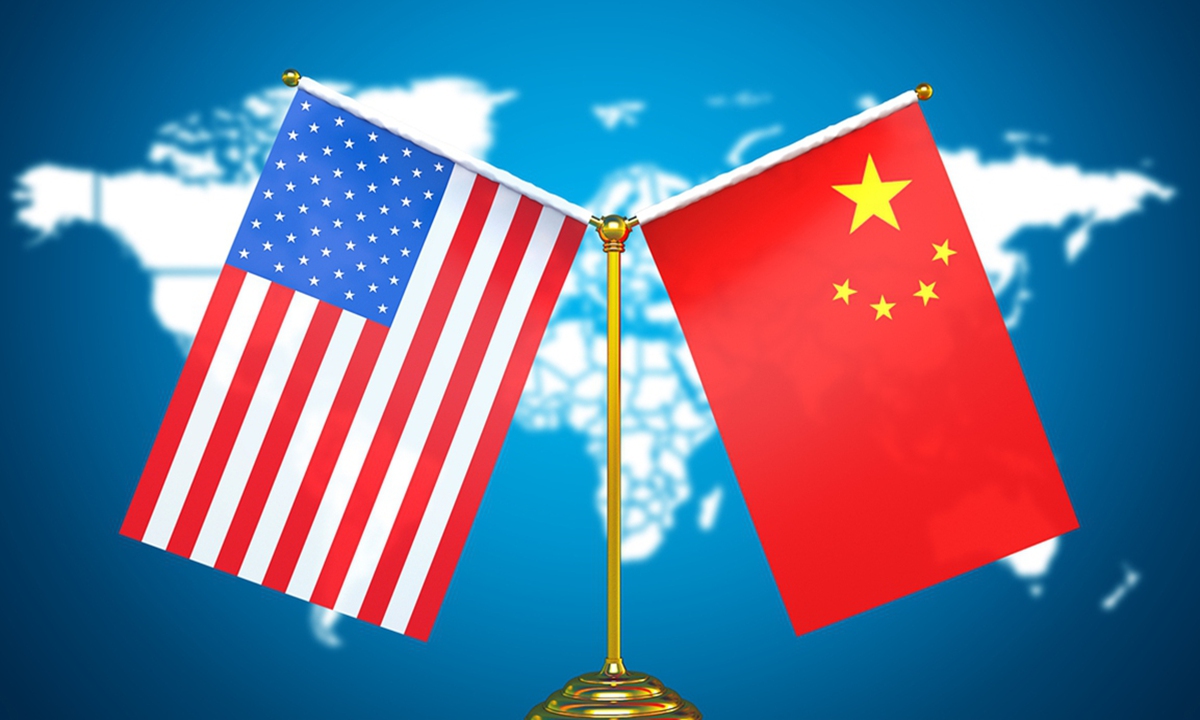
Photo: VCG
The Chinese and US leaders reached a consensus on eight outcomes, further enriching the substance of the new positioning of China-US relations, opening up new space for future cooperation, building new bridges for friendly exchanges, and sending a positive signal that the two major countries are working in the same direction, pursuing peaceful coexistence and seeking mutual benefit and win-win outcomes.
Chinese President Xi Jinping returned to Beijing on Saturday after concluding his state visit to the US. The visit drew close attention from media at home and abroad, with extensive front-page coverage and analysis, which widely described the visit as a historic one with milestone significance. During the visit, the Chinese and US leaders reached a consensus on eight outcomes, further enriching the substance of the new positioning of China-US relations, opening up new space for future cooperation, building new bridges for friendly exchanges, and sending a positive signal that the two major countries are working in the same direction, pursuing peaceful coexistence and seeking mutual benefit and win-win outcomes.
An important political outcome of the visit is that the two sides have agreed to build a constructive China-US relationship of strategic stability based on respect, fairness and reciprocity. The three words - "respect, fairness and reciprocity," serving as the foundation of the constructive China-US relationship of strategic stability, provide clearer strategic guidance for the two countries to explore the right way for major countries to get along.
Respect means respecting each other's sovereignty and territorial integrity, respecting each country's choice of social system and development path, and respecting the other side's core interests and major concerns. Fairness means pursuing mutually beneficial cooperation and handling differences through consultation, rejecting a zero-sum game in which one side's gain comes at the other's expense, and not seeking unilateral absolute advantage. Reciprocity means that the two countries are equal in sovereignty, that neither side stands above the other, that neither engages in hegemonic nor bullying behavior, that each side's concerns are addressed on an equal basis, and that the two sides promote cooperation across various fields in a balanced manner. This serves the fundamental interests of the peoples of both countries and meets the shared expectations of the international community.
As the Chinese side has repeatedly stressed, China and the US, as two major countries, stand to gain from cooperation and will both lose in confrontation. The consensus on eight outcomes has opened up new space for the two countries' mutually beneficial cooperation in areas including economy, trade and counter-narcotics. From a $30 billion reciprocal tariff reduction arrangement, to the joint resolution of multiple cases involving new psychoactive substances and precursor chemicals, and the inclusion of visible results from cooperation between Chinese and US counter-narcotics and law enforcement agencies included in the outcomes reached by the two countries, facts prove that China and the US can accomplish a series of great things through cooperation.
These outcomes demonstrate that the constructive China-US relationship of strategic stability is expected to produce tangible results through concrete mechanisms and joint efforts. The two countries should, and fully can, achieve mutual benefit and win-win results through practical cooperation, help each other succeed through healthy competition, properly manage differences by seeking common ground while respecting differences, and promote peace by fostering mutual trust. The important outcomes of this visit will help bring greater benefits to the peoples of China and the US and people around the world.
Though separated by a vast ocean, the Chinese and American peoples have a long history of friendly exchanges. From the two nations fighting side by side during World War II (WWII), to the reunion in China - after more than 20 years - between Chinese desert control worker Yin Yuzhen and her American friend Ronald Sakolsky, to China's plan to invite 100,000 young Americans to visit China for exchanges and study over the next five years, and the arrival of giant pandas Ping Ping and Fu Shuang at Zoo Atlanta, facts show that people-to-people ties provide a solid foundation and lasting momentum for the development of China-US relations. As President Xi has stressed, the foundation of China-US relations lies among the people, the hope is in the people, the future lies in the youth, and the vitality lies in sub-national areas.
Amid a turbulent and changing international situation, the global significance of China-US relations has become even more pronounced. During the visit, the two heads of state had an in-depth exchange of views on major international and regional issues of common concern and agreed to strengthen coordination to make due contributions to world peace and development. On the Middle East issue, China's objective and fair position has been widely recognized by international public opinion. On the international order, the two leaders recalled that China and the US were allies during WWII and fought side by side to win the war, sending a major signal of consolidating their shared historical understanding, jointly upholding the postwar international order and preventing the resurgence of militarism.
In addition, the two sides confirmed their mutual support in hosting the APEC Economic Leaders' Meeting and the G20 Leaders' Summit, expressing their shared desire to strengthen coordination through multilateral mechanisms and jointly promote stability and development.
The consensus on eight outcomes reached between China and the US is historic. This not only implements and builds on the outcomes of the Beijing talks in May, but also outlines a vision for the two countries to explore the right way for major powers to get along, combining a strategic framework with concrete results. Certainly, the consensus reached must be backed by concrete actions to ensure its implementation. Whether the US will translate its commitments into concrete actions on key issues such as tariffs, technology controls and the Taiwan question remains to be seen. Various departments, sectors and levels of the two sides must follow through on the important consensus reached by the two heads of state with a "nail-driving" spirit, steadily turning the vision of "cooperation as the mainstay, moderate competition, manageable differences, and promises of peace" into reality, and jointly creating a brighter future for China-US relations.
RELATED ARTICLES