US-set agenda items on 'overcapacity,' forced labor fail to yield consensus at G20 trade meeting: MOFCOM
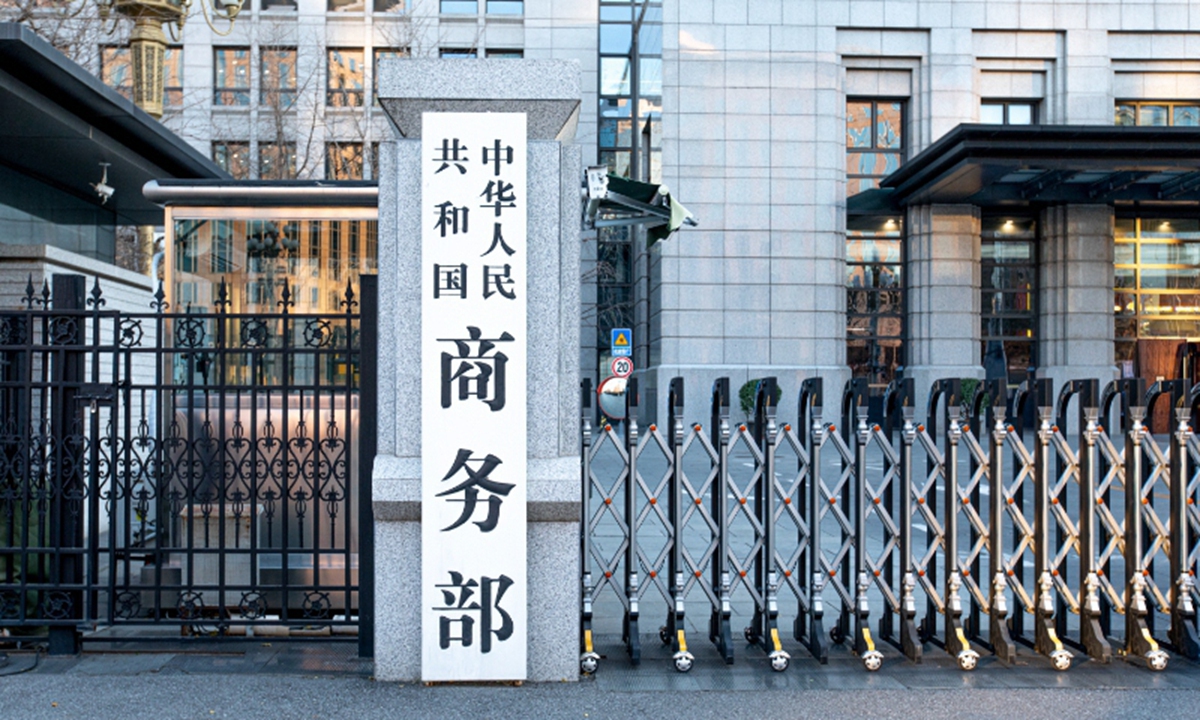
The Ministry of Commerce of China File photo: VCG
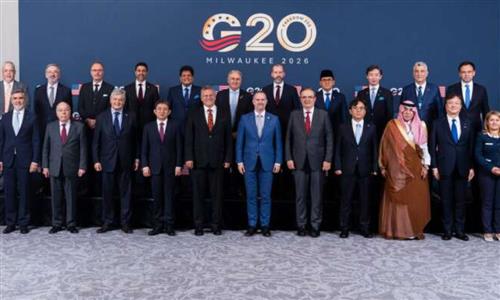
The G20 Trade Ministers' Meeting produced no outcome documents on three agenda items set by the US presidency — addressing "overcapacity", eliminating "forced labor" and adjusting the most-favored-nation (MFN) treatment principle — while members reached a joint statement on opposing the weaponization of food, a spokesperson for China's Ministry of Commerce (MOFCOM) said.
The spokesperson made the remarks on Sunday when asked for China's comment and about it contribution to the meeting which was held in Milwaukee, Wisconsin, the US, from September 30 to October 1.
The overcapacity and forced labor agenda items had been highly contentious from the outset, the spokesperson said. G20 members are currently subject to additional Section 301 tariffs related to forced labor, and many are also targets of Section 301 investigations into overcapacity.
Against this backdrop, many members expressed differing views on the presidency's inclusion of these issues on the agenda and its efforts to promote joint statements and establish cooperation mechanisms. Ultimately, as most members held differing views, the meeting was unable to reach agreement on outcome documents on the relevant issues, the spokesperson said.
China noted that the chair's statement issued by the US after the meeting said that the US, together with two other G20 members, had issued a statement on forced labor outside the G20 framework, the spokesperson said.
On the agenda item concerning adjustments to the MFN treatment principle, the overwhelming majority of members, including China, emphasized during discussions that the principle is the cornerstone of the multilateral trading system and provides stability and predictability for global trade. Any weakening of the principle would seriously undermine the foundations of the multilateral trading system, the spokesperson said. In line with members' views, the presidency did not put forward a proposal for an outcome document on this issue.
At the meeting, members exchanged views on the agenda items set by the US presidency — opposing the weaponization of food, addressing overcapacity, eliminating forced labor and adjusting the MFN treatment principle — and reached a joint statement on the food issue, while no outcome documents were produced on the other issues, the spokesperson said.
During consultations on the food issue, many emerging-market and developing members, including China, proposed that food-importing and food-exporting countries should jointly maintain the stability of food supply chains, while all parties have the right to take measures in pursuit of domestic public policy objectives and safeguard food security, the spokesperson said.
The presidency took these views into consideration, which were fully reflected in the joint statement. This outcome was the result of consensus and joint efforts by all G20 members, the spokesperson said.
Throughout the meeting, China maintained an open and cooperative attitude, participated constructively in discussions on all agenda items and communicated closely with other members, fully playing its role in facilitating dialogue and cooperation, the spokesperson said. At the same time, China remained firm in its principles, resolutely safeguarded its own interests and the common interests of developing countries, and worked to promote G20 unity and cooperation.
Looking ahead to the upcoming G20 Miami Summit, China is willing to work with the presidency and all members, uphold the principle of consensus, strengthen unity and cooperation, and jointly contribute positive and pragmatic economic and trade outcomes to the summit, the spokesperson said.
Global Times
RELATED ARTICLES