China to send delegation to COP31, vows to actively promote international climate negotiations
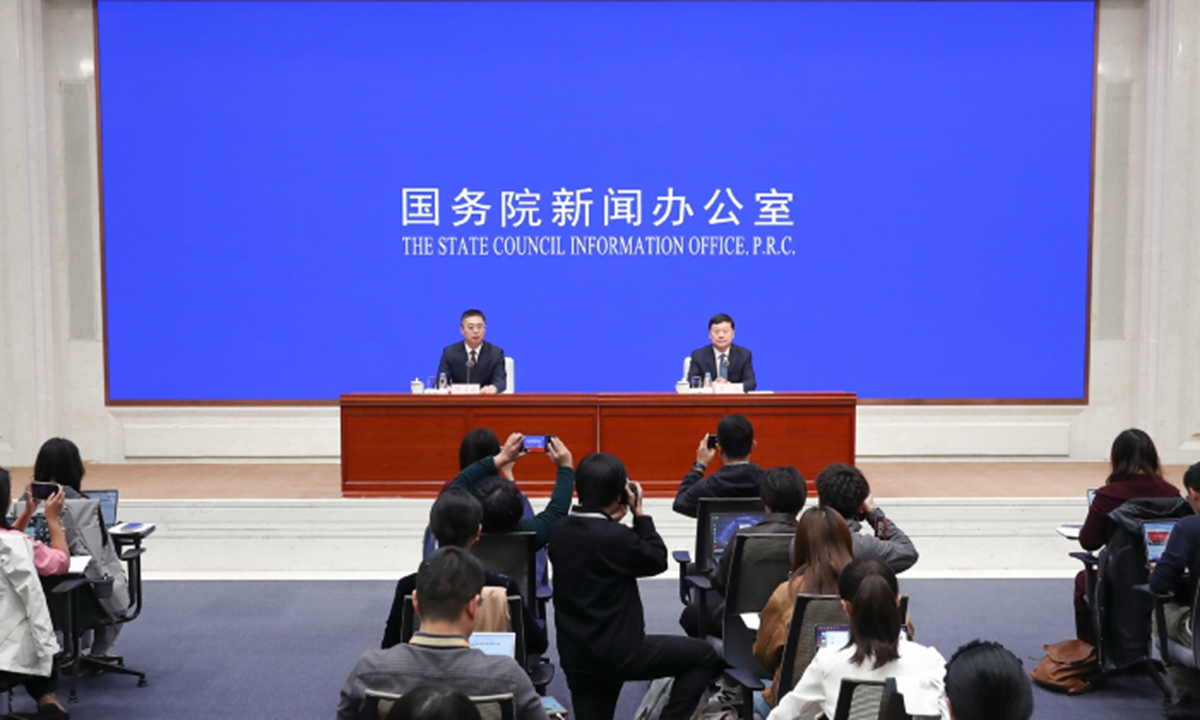
Photo: Website of State Council Information Office
China will send a delegation to the 31st Conference of the Parties (COP31) of the United Nations Framework Convention on Climate Change (UNFCCC), which will be held in Antalya, Türkiye, from November 9 to 20, and will actively promote the international climate negotiations, an official from China's Ministry of Ecology and Environment said on Wednesday.The UN Climate Change Conference is the primary channel and platform for international cooperation in addressing the global climate challenge. COP31 will conduct negotiations and consultations on nearly 100 agenda items related to the implementation of the UNFCCC and the Paris Agreement, covering mitigation, adaptation, finance and just transition.
China supports COP31 in prioritizing implementation and addressing both longstanding issues, such as insufficient emissions reductions and inadequate financial support from developed countries, and emerging challenges, including unilateralism and protectionism that undermine collective climate action, said Li Gao, vice minister of the ministry, during a press conference held by the State Council Information Office.
China will work to ensure that the multilateral process supports and enables all parties, particularly developing countries, to implement their Nationally Determined Contributions, thereby advancing the goals of the Paris Agreement through concrete action.
Li added that the first priority is to consolidate political consensus on solidarity and cooperation in addressing climate change. COP31 should uphold multilateralism and adhere to the objectives of the UNFCCC and the Paris Agreement, as well as the principle of "common but differentiated responsibilities," sending a clear political signal to the international community that the global green and low-carbon transition is irreversible.
Progress should also be made on climate finance. COP31 should facilitate in-depth discussions on a roadmap for developed countries to deliver the $300 billion annual climate finance goal by 2035 and to triple adaptation finance.
It should also advance the establishment of international mechanisms for a just transition, helping countries, particularly developing countries, address transition-related challenges and narrow the gap between the Global North and the Global South, Li said.
As a responsible major developing country, China has consistently participated in and advanced international climate negotiations in a proactive and constructive manner and will contribute Chinese wisdom, solutions and strength to the success of COP31.
China has made significant progress in addressing climate change, Li said. China's installed renewable energy capacity reached 2.455 billion kilowatts in the first half of this year, accounting for 60.7 percent of the country's total installed power generation capacity, according to the briefing.
At the end of July, China's installed solar power capacity surpassed coal-fired power capacity for the first time, making solar power China's largest source of electricity generation capacity. China also ranks first in the world in the combined installed capacity of nuclear power units in operation and those approved or under construction.
The production and sales of new energy vehicles (NEVs) have ranked first globally for 11 consecutive years. China has established the world's largest and most comprehensive clean energy industrial chain, with green and low-carbon industries becoming an important engine of economic growth.
China's institutional framework for addressing climate change has been further strengthened. The Ecological and Environmental Code, promulgated this year, includes a dedicated chapter on climate change, marking the first time that Chinese legislation has made specific provisions on the issue.
To date, China has issued a total of 113 national standards for carbon emissions management, with more than 50 additional national standards expected to be introduced within this year, covering areas such as carbon accounting, carbon trading and carbon footprints.
Market-based mechanisms have become more effective, Li noted, adding that China has established the world's largest national carbon emissions trading market, while its national voluntary greenhouse gas emissions reduction trading market continues to expand rapidly.
Global Times
RELATED ARTICLES


