China’s transition to high-quality growth offers a new paradigm of creating greater opportunities
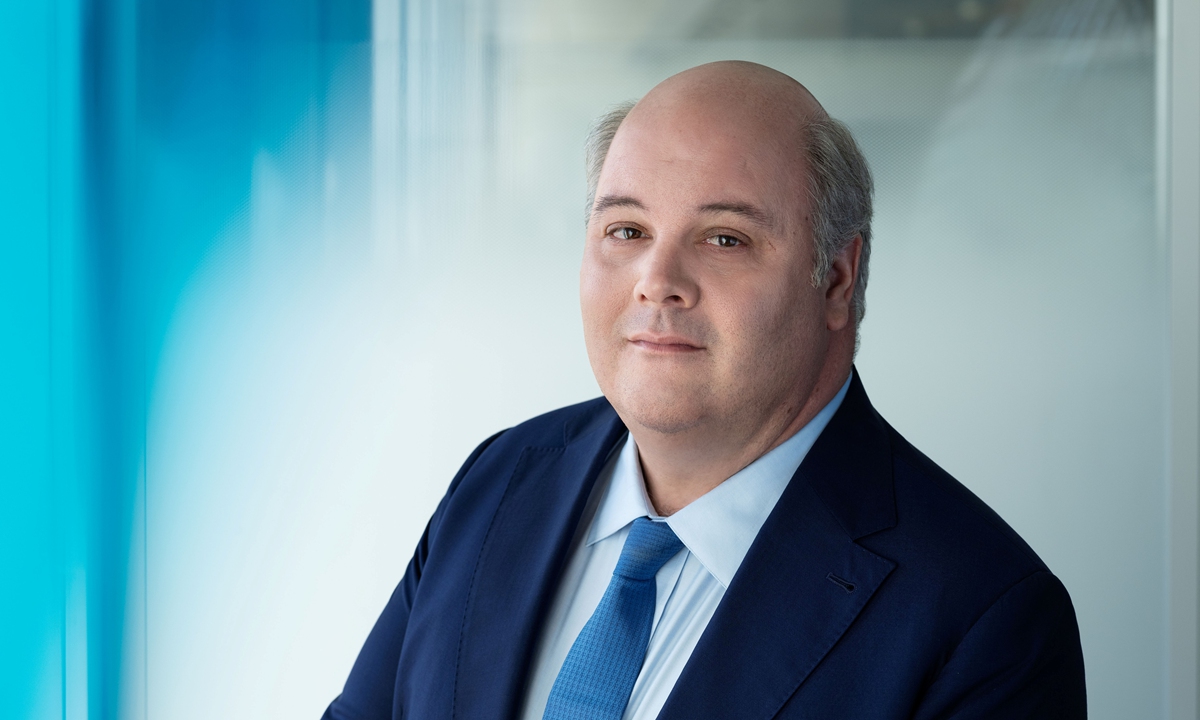
Vincent Mortier
China is moving from "fast growth to better growth" - and the transition is working where it matters most, as the drivers of growth have changed.
China's GDP grew by 4.6 percent year-on-year in the first three quarters, and we expect China will meet its growth target this year. While growth is slower than in the past, I would look less at the headline and more at what sits underneath it.
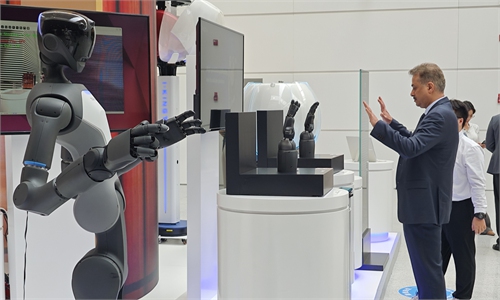
A decade ago, property and infrastructure carried the economy. Today the momentum comes from technology, advanced manufacturing and high-value exports - from artificial intelligence (AI) hardware to electric vehicles (EVs), which now account for more than half of new car sales in China.
Policymakers have made a deliberate choice: accept steadier growth in exchange for a sound foundation. Resolving local-government debt, completing the reform of the housing market and steering credit toward innovation all carry short-term costs. But they reduce risks and free resources for more productive uses.
In my view, that is the right trade-off, and it is what high-quality development means in practice.
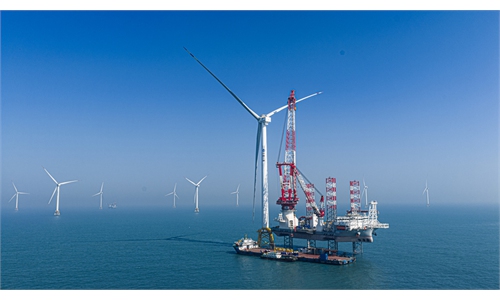
The long-term prospects depend on whether innovation turns into productivity across the whole economy, not only at the frontier. China has done the world a great service by driving down the cost of solar, wind, batteries and EVs. The challenge now is less about inventing or manufacturing these technologies and more about deploying them at scale - and making sure the industries that produce them are financially healthy.
That is why we welcome the government's efforts to curb "involution" and restore market discipline - profitable firms are what turn innovation into productivity gains more quickly.
The second condition is demand. A bigger role for household consumption, supported by stronger social protection and rising incomes, would make growth more balanced and more resilient. If China combines innovation capacity with healthier corporate returns and stronger domestic demand, I am confident it can sustain solid growth for many years.
China is a major engine of global growth. But China's role goes beyond the numbers. Its manufacturing ecosystem has lowered the cost of clean energy and digital technology for the whole world, and its supply chains have proved remarkably resilient through this year's energy and trade shocks.
Looking ahead, I see three sources of global growth. First, technology diffusion. AI is moving from the laboratory to the factory floor, the office and the hospital. The gains will come from adoption, not only invention, and China brings real strengths: cost-efficient, often open-source models, the world's largest manufacturing base and an enormous range of real-world applications. Second, the energy transition. Grids, storage and efficient industry will absorb vast investment over the next decade, and Chinese technology is central to keeping that transition affordable. Third, consumption in emerging economies, including China. A stronger Chinese consumer would be one of the most powerful positive forces for the world economy.
China can lead in all three. The most constructive contributions, in my view, would be to make its domestic market an even bigger source of demand for trading partners; to keep sharing technology through open models, trade and investment; and to invest locally abroad - as Chinese manufacturers are now doing in Europe - so that the gains are shared through jobs and local suppliers.
Financial markets matter too. The yuan has remained stable or strengthened, Chinese government bonds are among the few asset classes delivering positive returns this year as global yields rise, and offshore yuan bond issuance is at a record. That gives global investors a genuine diversifier at a time when traditional hedges work less well.
Finally, in an uncertain world, dialogue is itself a growth driver. Recent progress in China-US and China-EU talks shows that differences can be managed through practical cooperation - which is exactly what markets need.
I see four ways for international capital to work alongside China. First, finance deployment - grids, storage, energy efficiency and the infrastructure that connects clean power to factories and data centers, in China and across emerging markets. Second, share risk through partnership - co-investment with development banks and local partners, green bonds, and the role of the Hong Kong Special Administrative Region as a bridge for cross-border sustainable finance. Third, align standards - common taxonomies and credible disclosure, building on work such as the EU-China Common Ground Taxonomy, so that a green asset means the same thing in Paris as in Beijing. Fourth, engage as owners - as long-term shareholders, we can encourage governance, transparency and capital discipline.
The same logic applies to AI. China's cost-efficient and open models lower the barrier to adoption for small firms and developing economies, which is a powerful force for inclusive growth. International cooperation on safety and standards will help that adoption happen with confidence.
As Europe's largest asset manager, we see platforms like the Financial Street Forum as part of this architecture: they let regulators, central banks and investors build the trust that cooperation depends on.
Financial markets are more connected than ever, and this year has shown how quickly shocks spread - from energy prices to bond yields to currencies. Traditional diversification is also working less well: the correlation between equities and bonds has been positive since 2022, so investors have fewer natural shock absorbers. That makes good global governance more important. I would prioritize four areas: clear communication between policymakers, a stronger safety net and better debt frameworks, oversight of non-bank finance, and open, well-regulated connectivity.
Channels such as Stock Connect, Bond Connect and the expanded Southbound Bond Connect show that opening up and stability can go together. Extending such channels, and aligning rules on digital and sustainable finance, makes the system both deeper and safer.
This article is compiled based on an interview by Global Times reporter Ma Jingjing with Vincent Mortier, global chief investment officer of Amundi Asset Management. bizopinion@globaltimes.com.cn
RELATED ARTICLES