Giant panda Ran Ran to head to Belgium as China and Belgium extend conservation partnership
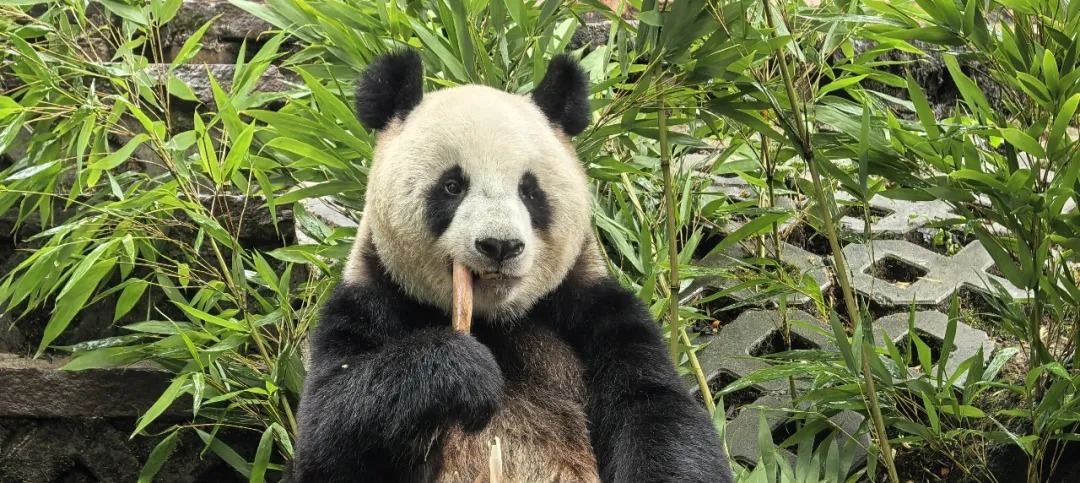
Picture of Ran Ran. Photo: China Wildlife Conservation Association
A female giant panda named Ran Ran will travel from China to Belgium to join a long-running conservation and research program, following a supplementary agreement between the China Wildlife Conservation Association and Pairi Daiza to extend their cooperation on the endangered species, China Wildlife Conservation Association announced on Monday.Ran Ran, born on May 31, 2017, at the China Conservation and Research Center for the Giant Panda, will be sent to Pairi Daiza, a Belgian animal park, under the supplementary agreement signed in September 2026 between the China Wildlife Conservation Association and the park.
The arrangement follows the early return to China in late 2025 of Hao Hao, a female giant panda that had spent 11 years in Belgium. After consultations, the Chinese and Belgian sides agreed to introduce another adult female panda to continue the conservation partnership that began in February 2014.
Under the agreement, China will provide a healthy, captive-bred adult female panda to participate in the joint program. The institutions involved are working closely to finalize arrangements for Ran Ran's care and management and complete preparations for her journey to Belgium.
Hao Hao returned to China at the end of 2025 for medical treatment after experiencing recurring moderate ascites, according to China Conservation and Research Center for the Giant Panda.
The announcement of Ran Ran going to Belgium comes as China and Belgium mark the 55th anniversary of diplomatic relations in 2026, adding a symbolic dimension to a conservation partnership that has also served as a bridge between the two countries, according to China Wildlife Conservation Association.
Over the past decade, Chinese and Belgian institutions have worked together on giant panda breeding, veterinary care, disease prevention, public education and scientific research, producing what the Chinese side described as positive results in wildlife conservation and efforts to protect global biodiversity, China Wildlife Conservation Association said.
The arrival of Ran Ran is expected to build on those efforts while sustaining the ties forged through years of cooperation involving the animals.
China said it would continue working with its Belgian partners to ensure the health and welfare of giant pandas living overseas, while advancing joint research and conservation initiatives.
The two sides also pledged to deepen their cooperation in wildlife protection, with an emphasis on animal welfare, scientific research and mutual benefit.
Global Times
RELATED ARTICLES