ARTS / CULTURE & LEISURE
Scholar Gao Guohui finds faith in historical books
Editor's Note:
In an age of information overload, reading remains a necessary channel to invigorate the mind, provide inspiration and cultivate virtue. Whether it is childhood enlightenment or the pursuits of adulthood, everyone's reading journey carries unique emotions and life experiences. The Global Times has specially launched the "100 Avid Readers" series, inviting representatives from various fields to share their connections with books, stories of growth and sparks of thought.
In this installment, scholar Gao Guohui shared his experience of reading books of wartime history and emphasized the significance for young generations to develop a strong sense of responsibility for the future.
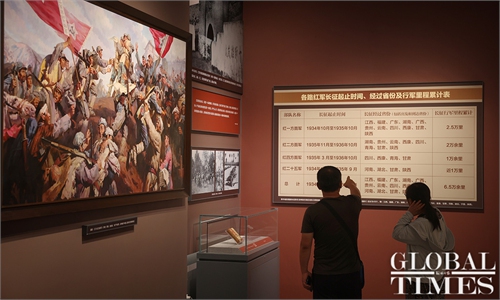
For scholar Gao Guohui, reading historical books of the Chinese People's War of Resistance against Japanese Aggression (1931-45) and the Long March has become more than a personal pursuit. It is a way to understand the convictions of an earlier generation, preserve the memories of ordinary people and pass their stories on to younger readers.
This year marks the 90th anniversary of the victory of the Long March (1934-36), which was a military maneuver by the Chinese Red Army that later became a defining episode in modern Chinese history.
It also marks the 90th anniversary of the Military and Political University of Resistance Against Japanese Aggression, which was the highest military academy of the people's army led by the Communist Party of China (CPC).
The military university was opened in June 1936 and ended its mission in September 1945 with the victory in the War of Resistance Against Japanese Aggression. Despite poor conditions in wartime, it had trained more than 100,000 military and political officers, who played a great role in winning the War of Resistance against Japanese Aggression and the War of Liberation that followed.
As general secretary of the Beijing-based research association of the university's glorious tradition, Gao told the Global Times that he has devoted himself to reading, researching and preserving historical records.
"Reading has changed me in two fundamental ways," Gao noted. "First, it has strengthened my convictions. The more historical books I read, the deeper understanding of the ideals and beliefs of our revolutionary predecessors I have. They are no longer just names or symbols in books, but real people who continued to believe in a better tomorrow even in the face of desperate circumstances."
"Second, reading provides a foundation for my research. Books and historical documents help me verify, cross-check and fill in gaps in historical accounts, allowing me to piece together scattered stories and organize them into reliable historical records," he said.
Tangible understanding
Born in Lingshou county, North China's Hebei Province, an area with a rich revolutionary history, Gao grew up surrounded by stories of the war. His mother had served as the head of the village's women's anti-Japanese association and joined the CPC at the age of 16. She knew many songs sung by the China's Eighth Route Army, he recalled.
As a child, Gao read the novel Bitter Herbs by Feng Deying, which depicts resistance activities against Japanese aggression behind the front lines. The scenes in the book often corresponded with what his mother had told him, instilling in his young mind a deep respect for those who had fought for the country.
After entering the workforce, Gao spent many years serving retired military cadres. Through his work, he came into contact with veterans of the war against Japanese aggression and read memoirs they had written themselves. Their accounts helped him gain a more tangible understanding of the hardship and sacrifice behind the historical record.
In 2019, when he began researching the military university's history in earnest, his reading took on a new direction.
As a member of the research association of the university's glorious tradition, Gao began reading and organizing historical documents, memoirs and other materials related to the wartime institution. He also visited the university's branch sites across the country and interviewed surviving alumni and their family members.
Among the books that moved him most was Wei Le Can Lan De Ming Tian (literally For a Brighter Tomorrow), which recounts the experience of Li Hongbin, a teenage girl determined to join the military and study at the university's affiliated middle school.
For Gao, Li's story reveals the determination of a young woman who pursued her aspirations despite the dangers of wartime and the obstacles placed in her way. It was during this period of reading and research that Gao was inspired to compile a book titled Ta Men Ye Shi Hai Zi (literally They Were Children Too.)
Through the project, he hopes to bring together scattered historical materials and preserve stories of the young people who studied, worked and fought under extraordinary circumstances during the wartime.
"Writing the book is a natural extension of my reading. The more I read, the more I feel the need to ensure that these memories do not disappear with the passing of time," Gao noted.
A responsibility to the future
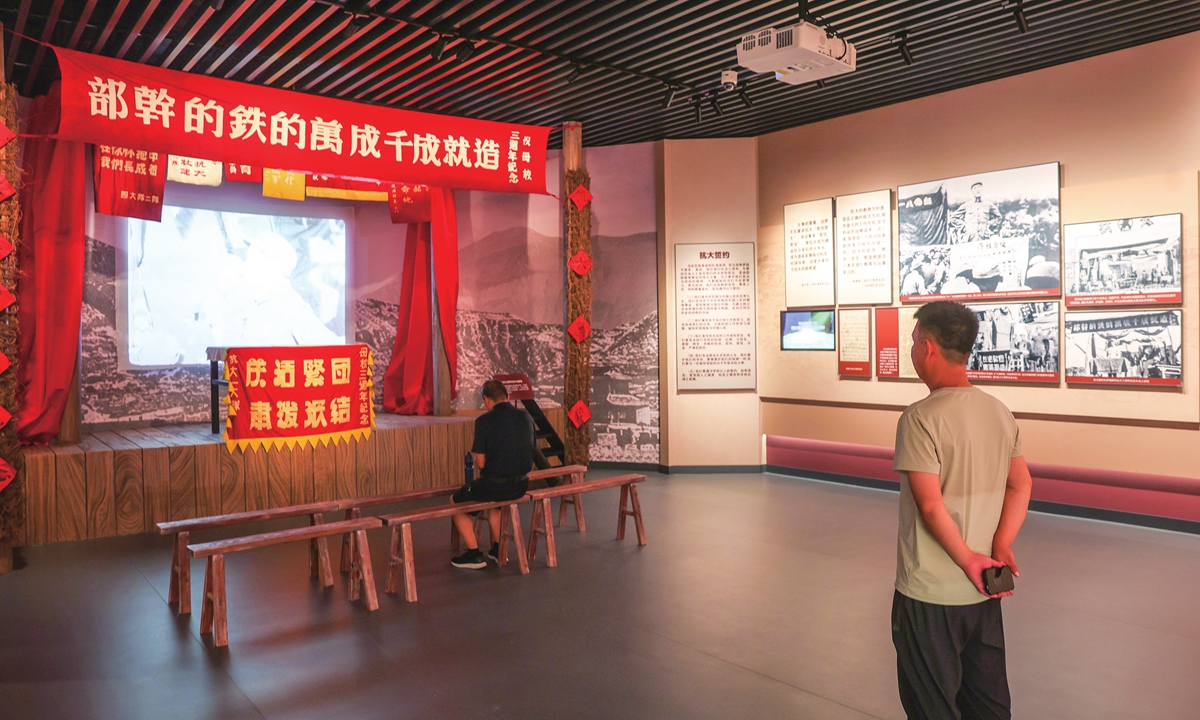
During an ongoing exhibition about the military university's history at the Museum of the War of the Chinese People's Resistance against Japanese Aggression in Beijing, Liu Yaohua, daughter of a former graduate of the military university, donated her father's book and the academy diploma issued by the university to the museum.
When visiting the exhibition, Gao shared that he believes reading books about the War of Resistance against Japanese Aggression remains important today for several reasons.
It helps people remember the past, recognize the contributions of ordinary individuals, draw strength from the courage of earlier generations and help younger people understand the choices their predecessors made, he told the Global Times.
Gao hopes that today's readers, especially younger generations, can see historical figures as people rather than distant symbols. Understanding their experiences, he believes, can help young readers appreciate the sacrifices behind the country's present and develop a stronger sense of responsibility for the future.
Through every book he reads and every recollection he preserves, Gao hopes to help keep alive the spirit of the military university to ensure that the stories of those ordinary people continue illuminating the young generations of today.
In an age of information overload, reading remains a necessary channel to invigorate the mind, provide inspiration and cultivate virtue. Whether it is childhood enlightenment or the pursuits of adulthood, everyone's reading journey carries unique emotions and life experiences. The Global Times has specially launched the "100 Avid Readers" series, inviting representatives from various fields to share their connections with books, stories of growth and sparks of thought.
In this installment, scholar Gao Guohui shared his experience of reading books of wartime history and emphasized the significance for young generations to develop a strong sense of responsibility for the future.
Visitors attend the exhibition marking the 90th anniversary of the Military and Political University of Resistance Against Japanese Aggression. Photo: Cui Meng/GT
For scholar Gao Guohui, reading historical books of the Chinese People's War of Resistance against Japanese Aggression (1931-45) and the Long March has become more than a personal pursuit. It is a way to understand the convictions of an earlier generation, preserve the memories of ordinary people and pass their stories on to younger readers.
This year marks the 90th anniversary of the victory of the Long March (1934-36), which was a military maneuver by the Chinese Red Army that later became a defining episode in modern Chinese history.
It also marks the 90th anniversary of the Military and Political University of Resistance Against Japanese Aggression, which was the highest military academy of the people's army led by the Communist Party of China (CPC).
The military university was opened in June 1936 and ended its mission in September 1945 with the victory in the War of Resistance Against Japanese Aggression. Despite poor conditions in wartime, it had trained more than 100,000 military and political officers, who played a great role in winning the War of Resistance against Japanese Aggression and the War of Liberation that followed.
As general secretary of the Beijing-based research association of the university's glorious tradition, Gao told the Global Times that he has devoted himself to reading, researching and preserving historical records.
"Reading has changed me in two fundamental ways," Gao noted. "First, it has strengthened my convictions. The more historical books I read, the deeper understanding of the ideals and beliefs of our revolutionary predecessors I have. They are no longer just names or symbols in books, but real people who continued to believe in a better tomorrow even in the face of desperate circumstances."
"Second, reading provides a foundation for my research. Books and historical documents help me verify, cross-check and fill in gaps in historical accounts, allowing me to piece together scattered stories and organize them into reliable historical records," he said.
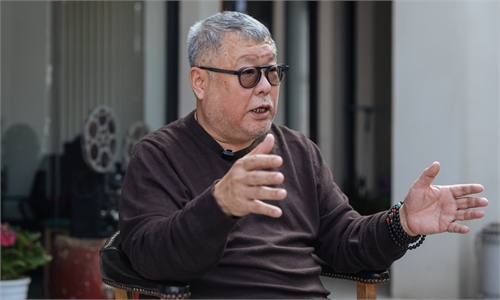
Gao Guohui Photo: Courtesy of Gao Guohui
Tangible understanding
Born in Lingshou county, North China's Hebei Province, an area with a rich revolutionary history, Gao grew up surrounded by stories of the war. His mother had served as the head of the village's women's anti-Japanese association and joined the CPC at the age of 16. She knew many songs sung by the China's Eighth Route Army, he recalled.
As a child, Gao read the novel Bitter Herbs by Feng Deying, which depicts resistance activities against Japanese aggression behind the front lines. The scenes in the book often corresponded with what his mother had told him, instilling in his young mind a deep respect for those who had fought for the country.
After entering the workforce, Gao spent many years serving retired military cadres. Through his work, he came into contact with veterans of the war against Japanese aggression and read memoirs they had written themselves. Their accounts helped him gain a more tangible understanding of the hardship and sacrifice behind the historical record.
In 2019, when he began researching the military university's history in earnest, his reading took on a new direction.
As a member of the research association of the university's glorious tradition, Gao began reading and organizing historical documents, memoirs and other materials related to the wartime institution. He also visited the university's branch sites across the country and interviewed surviving alumni and their family members.
Among the books that moved him most was Wei Le Can Lan De Ming Tian (literally For a Brighter Tomorrow), which recounts the experience of Li Hongbin, a teenage girl determined to join the military and study at the university's affiliated middle school.
For Gao, Li's story reveals the determination of a young woman who pursued her aspirations despite the dangers of wartime and the obstacles placed in her way. It was during this period of reading and research that Gao was inspired to compile a book titled Ta Men Ye Shi Hai Zi (literally They Were Children Too.)
Through the project, he hopes to bring together scattered historical materials and preserve stories of the young people who studied, worked and fought under extraordinary circumstances during the wartime.
"Writing the book is a natural extension of my reading. The more I read, the more I feel the need to ensure that these memories do not disappear with the passing of time," Gao noted.
A responsibility to the future
During an ongoing exhibition about the military university's history at the Museum of the War of the Chinese People's Resistance against Japanese Aggression in Beijing, Liu Yaohua, daughter of a former graduate of the military university, donated her father's book and the academy diploma issued by the university to the museum.
When visiting the exhibition, Gao shared that he believes reading books about the War of Resistance against Japanese Aggression remains important today for several reasons.
It helps people remember the past, recognize the contributions of ordinary individuals, draw strength from the courage of earlier generations and help younger people understand the choices their predecessors made, he told the Global Times.
Gao hopes that today's readers, especially younger generations, can see historical figures as people rather than distant symbols. Understanding their experiences, he believes, can help young readers appreciate the sacrifices behind the country's present and develop a stronger sense of responsibility for the future.
Through every book he reads and every recollection he preserves, Gao hopes to help keep alive the spirit of the military university to ensure that the stories of those ordinary people continue illuminating the young generations of today.
RELATED ARTICLES