Maintain peace and stability in the South China Sea and build the common home of regional countries together
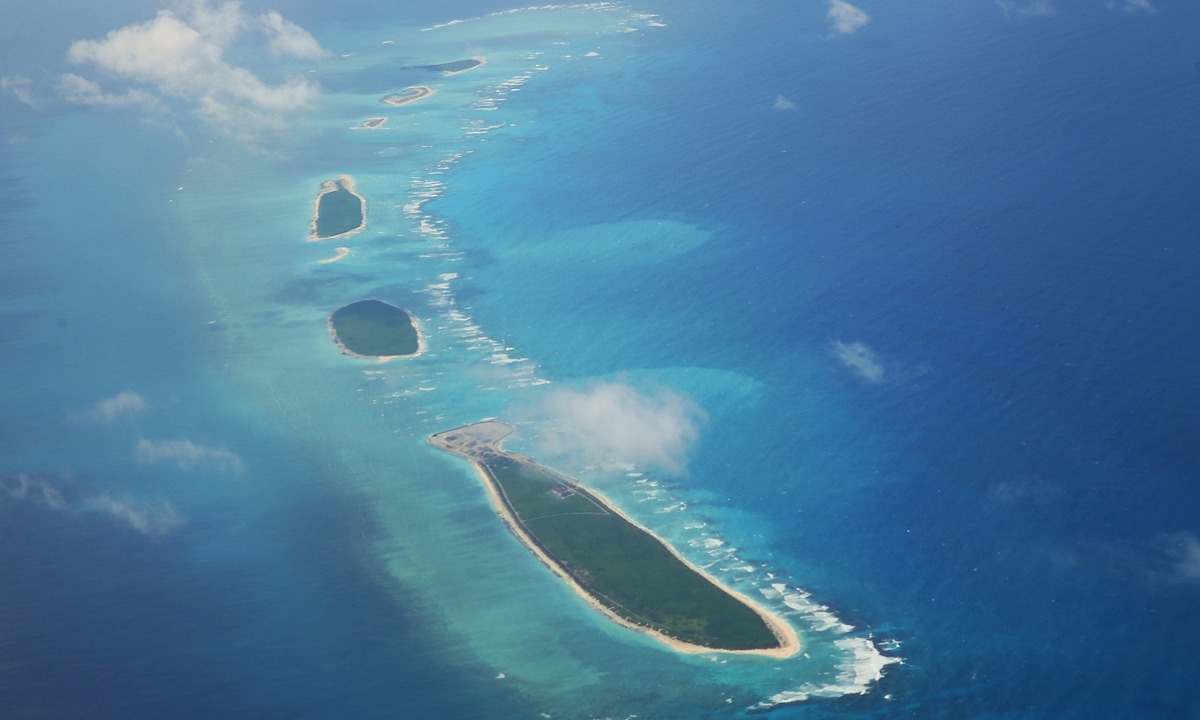
South China Sea Photo: VCG
At the 7th Symposium on Global Maritime Cooperation and Ocean Governance, which concluded on Saturday, we released the Global Maritime Security Report 2025-2026. This marks the first time a thematic report on maritime security has been compiled under the initiative of the Chinese side, with contributions from experts at think tanks across multiple countries and regions.Taking the South China Sea as a starting point, the report examines how the regional maritime situation influences global maritime security and offers insights for global ocean governance. It further outlines the strategic and policy considerations of various actors from both national and regional perspectives, aiming to provide a reference for understanding the current state and future trends of global maritime security. While China does not agree with some of the experts' viewpoints, it is undeniable that such analyses offer useful perspectives for observing the evolution of the regional and global situation, as well as shifts in the strategic landscape.
Experts point out that, for the 2025-26 period, China's policy in the South China Sea increasingly reflects a sense of strategic patience. China maintains a regular presence in key waters through its coast guard forces while employing legal and administrative measures, including the delineation of territorial sea baselines and the establishment of nature reserves, to uphold its rights. It remains steadfast in its refusal to accept the "ruling" of the South China Sea arbitration case. It advocates for resolving specific differences through bilateral channels and continues to advance consultations with ASEAN countries on a Code of Conduct in the South China Sea. This policy is aimed at safeguarding national sovereignty and maintaining stability in the surrounding environment, thereby creating favorable conditions for regional economic integration.
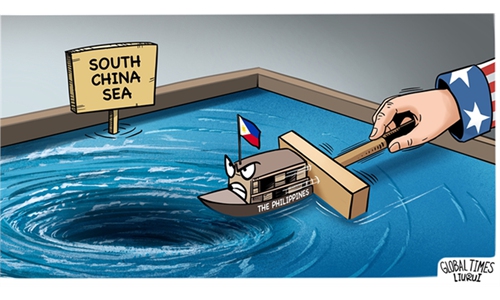
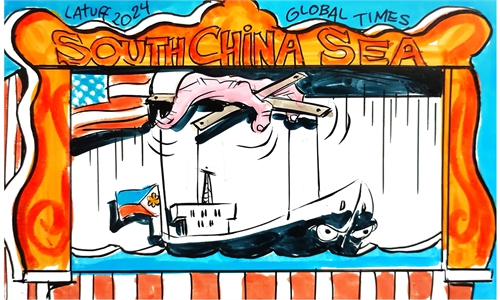
Experts observe that the US continues to deploy warships and military aircraft throughout the "Indo-Pacific" region, conducting regular military exercises and "freedom of navigation operations," while leveraging technological means to enhance maritime domain awareness. The US side claims that these actions are intended to uphold "freedom of maritime operations," "deter coercive behavior" and strengthen its alliances.
According to some experts in the meeting, Europe's focus on this region is influenced by its own core interests. Consequently, while the EU offers measured support to the Philippines, it also places significant value on comprehensive cooperation with ASEAN, striving to avoid taking sides in the competition between major powers. While the fundamental strategic objectives of European nations remain unchanged, their methods of policy implementation have become notably more assertive, a shift exemplified by the deployment of aircraft carrier strike groups to the region.
Some experts note that Australia is gradually shifting its traditional stance on the South China Sea issue, a change driven largely by strategic considerations aimed at upholding the Australia-US alliance. Nevertheless, the South China Sea issue does not constitute a core national interest for Australia, and the country strives to avoid being drawn into conflicts as a result of its alliance commitments.
Experts point out that some ASEAN nations face not only maritime intrusions within their exclusive economic zones but also non-traditional security challenges. These countries have generally adopted a prudent, non-confrontational approach to the South China Sea issue; they seek to safeguard their maritime rights and interests by strengthening their maritime law enforcement and situational awareness capabilities, as well as by engaging in regional cooperation.
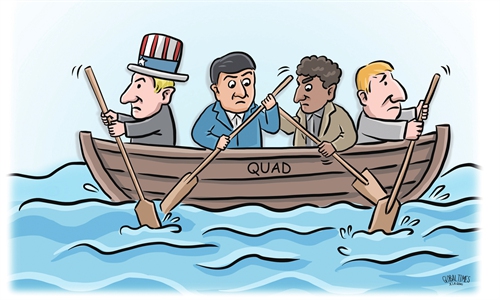
Currently, geopolitical competition among major powers is increasingly extending into the maritime domain, and a mentality of bloc-based confrontation is permeating maritime issues, a trend that runs counter to the fundamental interests of all nations. We have consistently maintained that the ocean should be a stage for cooperation rather than a frontier for confrontation. China is committed to transforming the South China Sea into a sea of peace, friendship and cooperation. This long-term strategy aligns with the shared interests of the region and serves as a vivid embodiment of the vision of building a "maritime community with a shared future." We look forward to all parties moving toward one another and working in concert to resolve disputes through peaceful means, safeguard peace and stability in the South China Sea, and build a common home of regional countries.
The author is chairman of the Huayang Institute for Research on Maritime Cooperation and Ocean Governance. opinion@globaltimes.com.cn
RELATED ARTICLES