China’s flu activity reaches moderate level, with three strains circulating simultaneously: reports

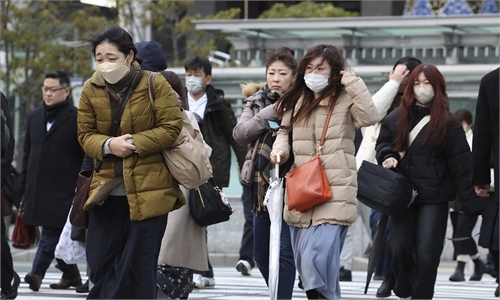
Photo: Screenshot from CCTV News
China's latest influenza surveillance data indicate that flu activity nationwide has reached a moderate level, with three strains circulating at the same time this season, according to media reports. Medical experts said that the flu vaccine offers protection against all three strains, underscoring the importance of boosting vaccination rates and raising public awareness of the vaccine.
Northern China has seen a sharp rise in flu positivity rates, while southern regions remain at fluctuating levels of activity, with clustered outbreaks increasing from the previous period, according to data released by the Chinese Center for Disease Control and Prevention, CCTV News reported.
A notable feature of this year's flu season is the simultaneous circulation of three influenza strains - A(H1N1), A(H3N2) and B(Victoria) - with their respective proportions continuing to shift, the report said.
In October, A(H3N2) was overwhelmingly dominant. By November, however, the proportion of A(H1N1) had risen steadily, making it the predominant strain, while A(H3N2) had fallen to below 20 percent. B(Victoria), meanwhile, has maintained a relatively stable share and continued to circulate.
The coexistence of multiple influenza strains and the rapid shift in the predominant strain are the most notable features of this year's flu season, posing new challenges for prevention, CCTV said.
The risk of being infected by different flu strains in succession has increased, as cross-protection among influenza strains is relatively weak, said Li Tongzeng, a chief physician with the respiratory and infectious diseases department at Beijing You'an Hospital.
"For example, contracting influenza A does not rule out a subsequent influenza B infection, while infection with A(H3N2) offers limited protection against A(H1N1), leaving people susceptible to reinfection with a different strain," he added, according to the CCTV report.
Li recommended vaccination, noting that the trivalent influenza vaccine offers protection against all three circulating viruses. For the general public, there is little need to focus too much on whether an infection is influenza A or B, as their clinical symptoms are similar, including fever, headache, sore throat, cough, muscle aches and pronounced fatigue, the expert noted.
Influenza A and B viruses circulate every year, and existing flu vaccines provide protection against both, President of Shenzhen Third People's Hospital Lu Hongzhou told the Global Times on Monday. The priority in China, therefore, is to increase annual influenza vaccination rates and strengthen public awareness through science-based public health education.
Also, existing antiviral medications are effective against both influenza A and B. The key is to obtain an early diagnosis, confirm whether the infection is influenza, and begin treatment promptly, Lu added.
RELATED ARTICLES