China narrows US lead in Asia power index: report
Regional balance becoming increasingly differentiated: expert
China US Photo:VCG
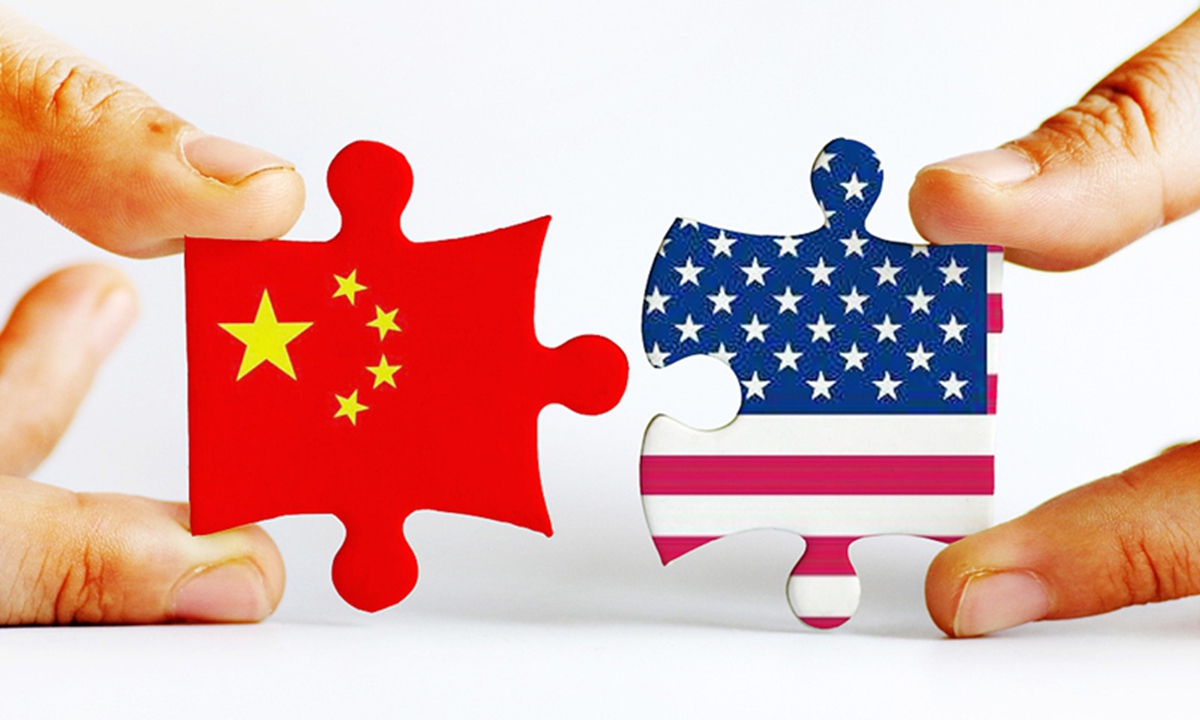
Asia Power Index 2026, released by the Australian think tank Lowy Institute, reported that the US and China are closer in power than at any time recorded. The gap in comprehensive power between the US and China — 78.9 and 73.6 respectively — continues to shrink, this year reaching its narrowest point since the inception of the Index, with the two superpowers now separated by only 5.3 points.
The changing scores point to an increasingly differentiated balance of power in Asia, rather than the comprehensive dominance of either country, a Chinese observer said. While China's growing influence in several areas reflects its expanding regional engagement and capabilities, the US retains structural advantages in areas such as defence networks and future resources, underscoring that the two countries continue to hold different strengths in the region.
The report said although the US and China remain the dominant countries in Asia, with just 5.3 points separating the two, the US lead over China has shrunk to its lowest level since the Asia Power Index began in 2018.
It also said that China is now well ahead of the US in its diplomatic and economic relationships.
The report attributed the narrowing gap "more to Washington's missteps than Beijing's advances." The US lead in military capability in Asia has been slashed due to the impact of the war on weapons stockpiles and the shift in the focus of US forces to the Middle East. Respondents to the index survey also viewed the US as increasingly distracted and disengaged from the region, the report said.
The report also said that China's research and development personnel — more than triple that of the US — have driven dramatic gains across high-tech sectors. Chinese artificial intelligence (AI) models now rival their American competitors in quality, according to the report.
The US' lead over China in Military Capability is at its narrowest on record. Nevertheless, Washington still retains clear advantages in defence spending, land warfare firepower, air power, and transportation capabilities, which allow it to deploy its forces and project military power across the globe.
The 2026 scores highlight the distinct strengths of the two countries. China scored 98.4 in diplomatic influence and 91.8 in economic relationships, compared with 76.7 and 58 for the US. The US retained advantages in military capability, resilience, defence networks and cultural influence. The two countries were nearly level in economic capability, with the US scoring 86.7 and China 86.1, while the US held a narrower lead in future resources.
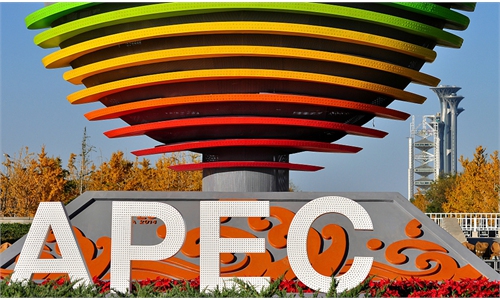
"China has gained greater regional influence without seeking hegemony or deliberately pursuing an edge in major-power rivalry, reaping gains it never deliberately sought. The 33rd APEC Economic Leaders' Meeting in Shenzhen offered a clear illustration of China's economic strength and regional engagement," an anonymous Chinese expert told the Global Times on Monday, adding that the country's growing diplomatic influence and deepening economic ties are the result of years of sustained diplomatic engagement and regional economic cooperation.
China's diplomatic approach has focused on providing stable expectations and public goods through cooperation, rather than drawing ideological lines or forcing countries to choose sides, the expert said. Initiatives such as the Regional Comprehensive Economic Partnership and regional connectivity projects have translated diplomatic engagement into tangible economic cooperation and development opportunities.
The uneven distribution of strengths also shows that regional competition has entered a more differentiated stage, rather than being a simple zero-sum contest, he said. US advantages in defence networks, military capability and cultural influence are structural assets accumulated through decades of alliance-building. Regional countries are increasingly likely to engage with major powers differently on different issues, rather than align themselves with a single camp.
The narrowing gap between China and the US, alongside growing reluctance among Asia-Pacific economies to be forced to choose sides, underscores the importance of open multilateral cooperation, he said. Regional leadership is increasingly measured by the ability to safeguard free trade, provide inclusive platforms for cooperation and share development opportunities, the expert noted.
India retained third place in the 2026 Asia Power Index for the third consecutive year, scoring 40.5 points, with Japan and Russia ranking fourth and fifth, respectively, Indian media platform CNBC TV18 reported. Its diplomatic influence remained its strongest measure, with a score of 70.3 points. India's economic relationships improved two places to seventh. However, its economic capability score fell 0.7 points to 26.4, despite retaining third place in that category.
The expert noted that India's strategic autonomy and diversified engagement allow it to maintain flexibility in relations with major powers, while its ability to translate diplomatic influence into sustained economic growth and regional integration will be key to its future role in Asia.
RELATED ARTICLES