This year marks the 25th founding anniversary of the Shanghai Cooperation Organisation (SCO). The SCO Summit was held in Bishkek, the capital of Kyrgyzstan, from August 31 to September 1.
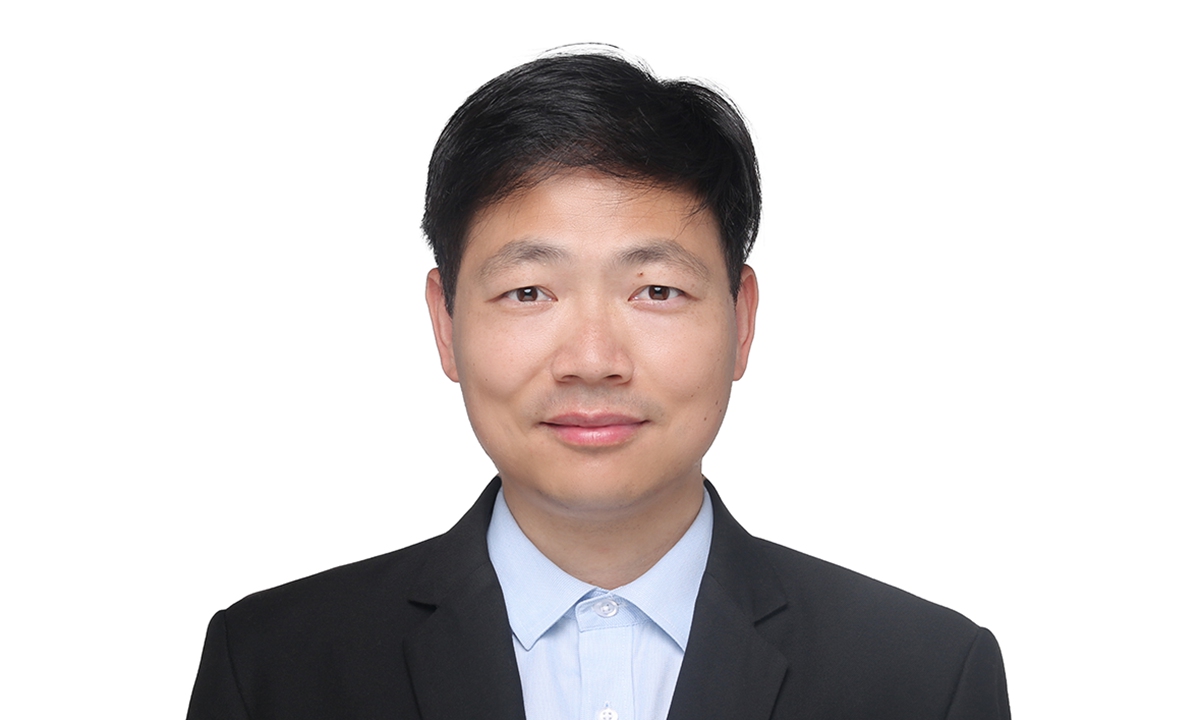
In the 25th article of the "Scholars' Perspectives" column, Wu Hui, a research fellow at the School of Earth and Space Sciences of Peking University, shared his understanding of sci-tech strength and self-reliance through the perspective of a young scholar.
As this year marks the 105th anniversary of the founding of the Communist Party of China (CPC), a national conference on Party building was held in Beijing on June 15, making arrangements for studying and implementing Xi Jinping Thought on Party Building. The Thought reflects intrinsic connections among Party self-governance, Party strengthening and national rejuvenation. Articulated through the "Fourteen Upholds" - and comprising a series of signature major concepts, original ideas, and fundamental theoretical insights - the Thought has made major original contributions to the development of the Marxist theory of Party building, and is of great practical significance and far-reaching guiding significance for strengthening the Party and the country.
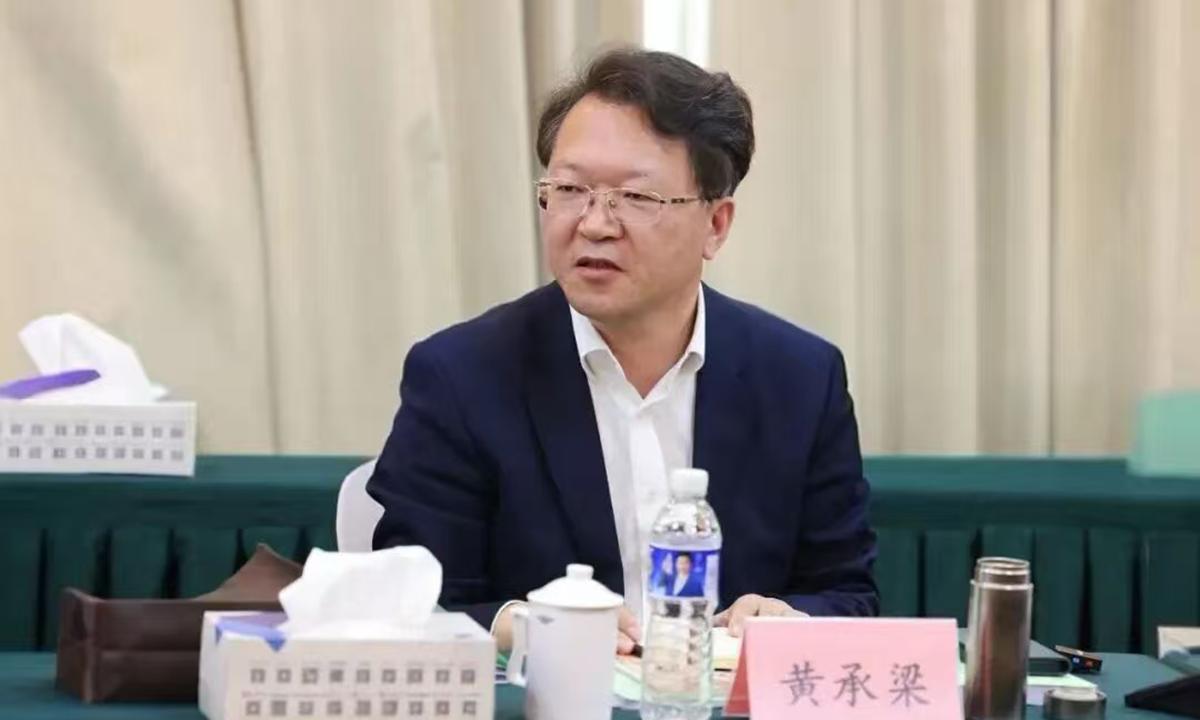
In the 23rd article of the "Scholars' Perspectives" column, Huang Chengliang, secretary general of the Research Center for Xi Jinping Thought on Ecological Civilization at Chinese Academy of Social Sciences, shares with the Global Times his insights on China's path in which development and environmental protection can advance in tandem.
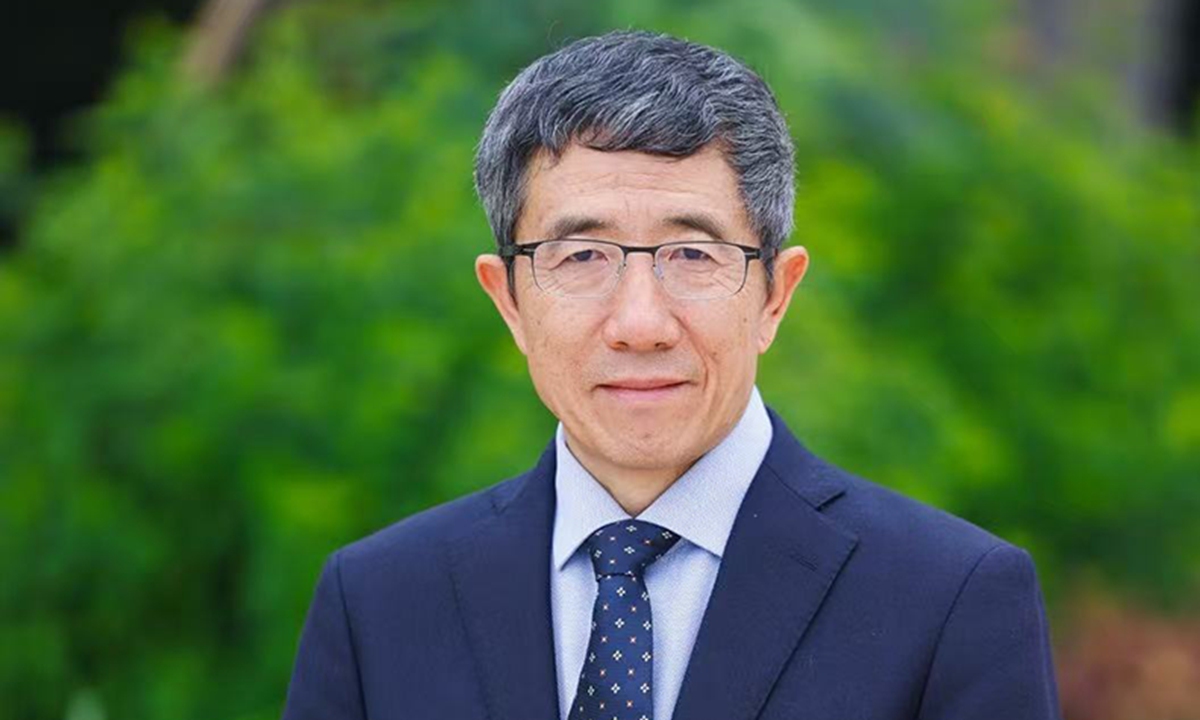
In the 22nd article of the "Scholars' Perspectives" column, Li Xiaoyun, chair professor of China Agricultural University, shares with the Global Times his insights on the importance of rural modernization, as well as its domestic and international significance.
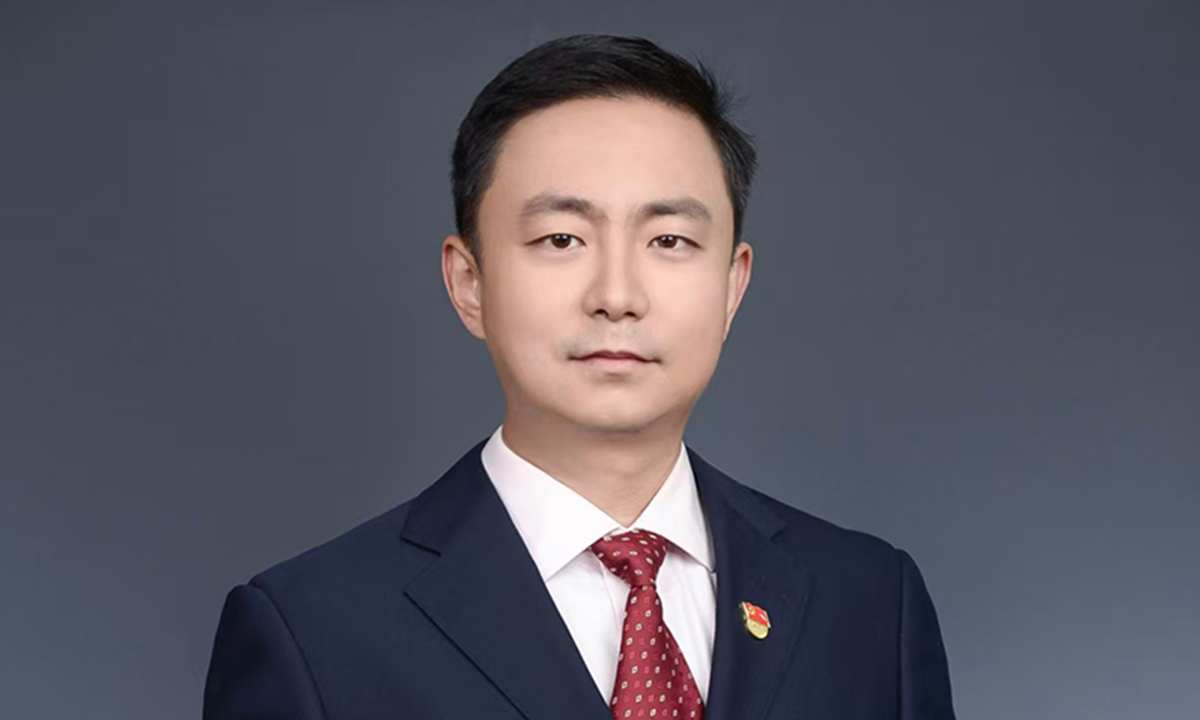
In the 21st article of the "Scholars' Perspectives" column, Wu Tao, Director and Professor of Research Center for Grassroots Party Building, China Executive Leadership Academy Pudong (CELAP), also expert entitled to Special Government Allowance of the State Council, elaborates on the importance of establishing and practicing a correct understanding of governance performance.
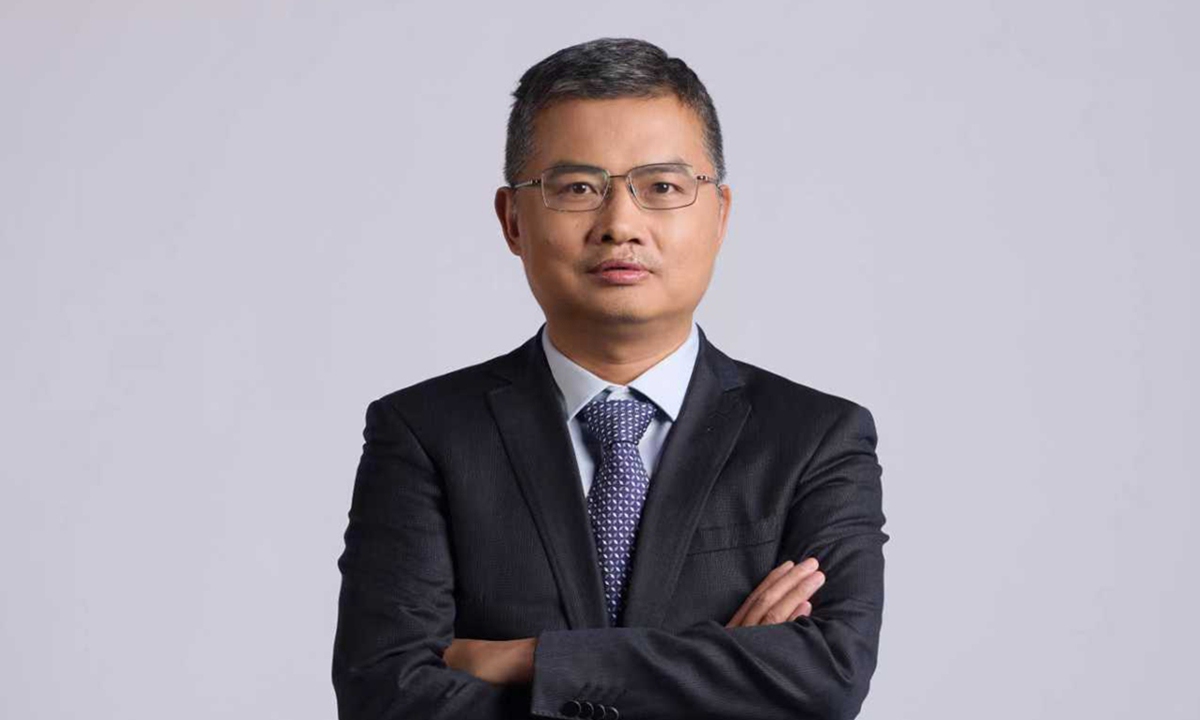
2026 marks the opening year of China's 15th Five-Year Plan period (2026-30). The outline of the Plan sets out the following development goals for the coming five years: significant achievements in high-quality development, substantial improvements in scientific and technological self-reliance and strength, fresh breakthroughs in further deepening reform comprehensively, notable cultural and ethical progress across society, further improvements in quality of life, major new strides in advancing the Beautiful China Initiative, and further advances in strengthening the national security shield.
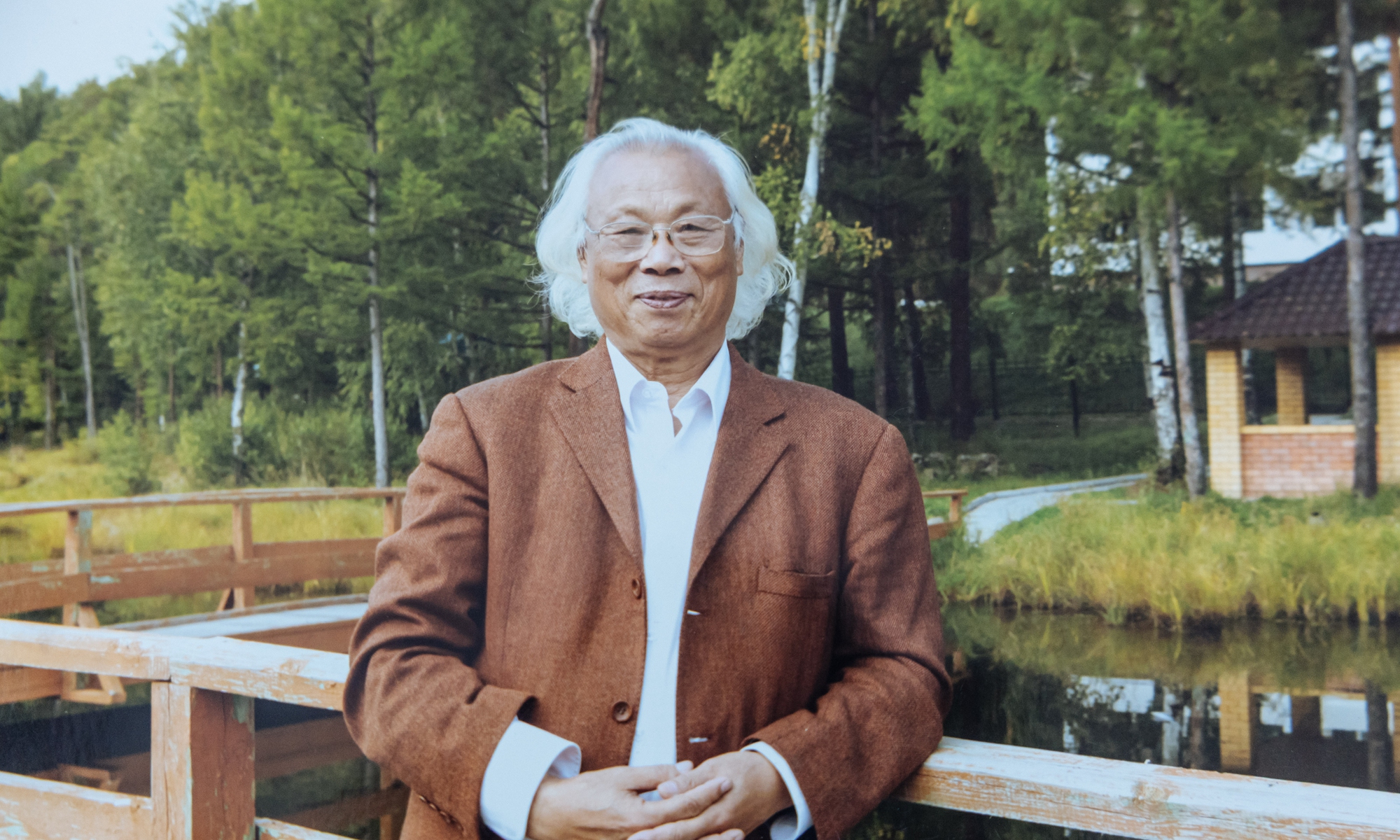
In the 19th article of the "Scholars' Perspectives" column, Liu Kuili, Honorary Member of the Academic Division of the Chinese Academy of Social Sciences and Honorary President of the Chinese Folklore Society, elaborates on the cultural implications of the Spring Festival and how it embodies the five defining characteristics of Chinese civilization summarized by President Xi Jinping.
In the 18th article of the "Scholars' Perspectives" column, Li Junru, former vice president of the Party School of the Communist Party of China Central Committee, elaborated his thoughts on the relationship between "small family" and "big family" in the view of the CPC members, and the Party's "people-centered ethos."
In the 19th installment of the special series “Decoding the Book of Xi Jinping: The Governance of China,” the Global Times (GT), along with the People's Daily Overseas Edition, continues to invite Chinese and foreign scholars, translators of Xi's works, practitioners with firsthand experience, and international readers to delve into the logical connections between the four global initiatives and the vision of a community with a shared future for humanity, and to discuss their practical significance and contemporary value. In the 17th article of the "Scholars' Perspectives" column, the Global Times (GT) spoke with Xu Bu (Xu), President of Institute of International Development and Security Studies(IIDSS), Jiangsu University, former president of the China Institute of International Studies and former member of the United Nations Secretary-General's High-Level Advisory Board on Effective Multilateralism.
In the 16th article of the "Scholars' Perspectives" column, the Global Times spoke with Tian Xuan (Tian), president of the National Institute of Financial Research at Tsinghua University, about his understanding of the latest achievement of Xi Jinping Thought on Economy and his views on China's economic outlook during the first year of the 15th Five-Year Plan period.
In the 15th article of the "Scholars' Perspectives" column, the Global Times talked to Professor He Wenping (He), senior research fellow at Institute of West Asian and African Studies of Chinese Academy of Social Sciences.
In the 14th article of the "Scholars' Perspectives" column, the Global Times talked to Professor Hong Yu (Hong), Associate Dean of the School of Media and International Culture and the Director of the Institute of Communication Research at Zhejiang University.
In the 13th article of the "Scholars' Perspectives" column, Global Times talked to Professor Hu Angang (Hu), Honorary President of the Institute of Contemporary China Studies at Tsinghua University.
In the 12th article of the "Scholars' Perspectives" column, Global Times talked to Justin Yifu Lin (Lin), dean of the Institute of New Structural Economics at Peking University. Lin was former chief economist and senior vice president of the World Bank.
In the 11th article of the "Scholars' Perspectives" column, Global Times talked to professor Yan Qing from Minzu University of China, who also serves as deputy secretary-general of the advisory committee of China's National Ethnic Affairs Commission.
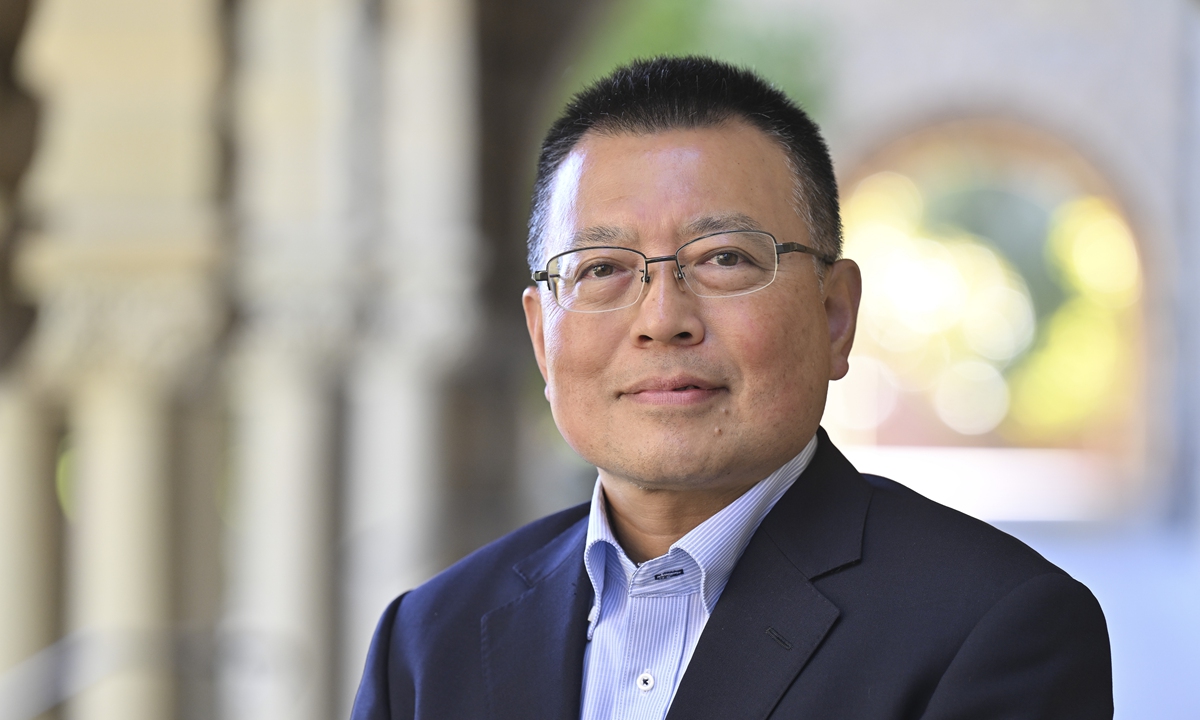
In the 10th article of the "Scholars' Perspectives" column, Global Times talked to Professor Yu Tiejun, President of the Institute of International and Strategic Studies (IISS) in Peking University, whose expertise includes international relations theory, and history of international political thought and international security.
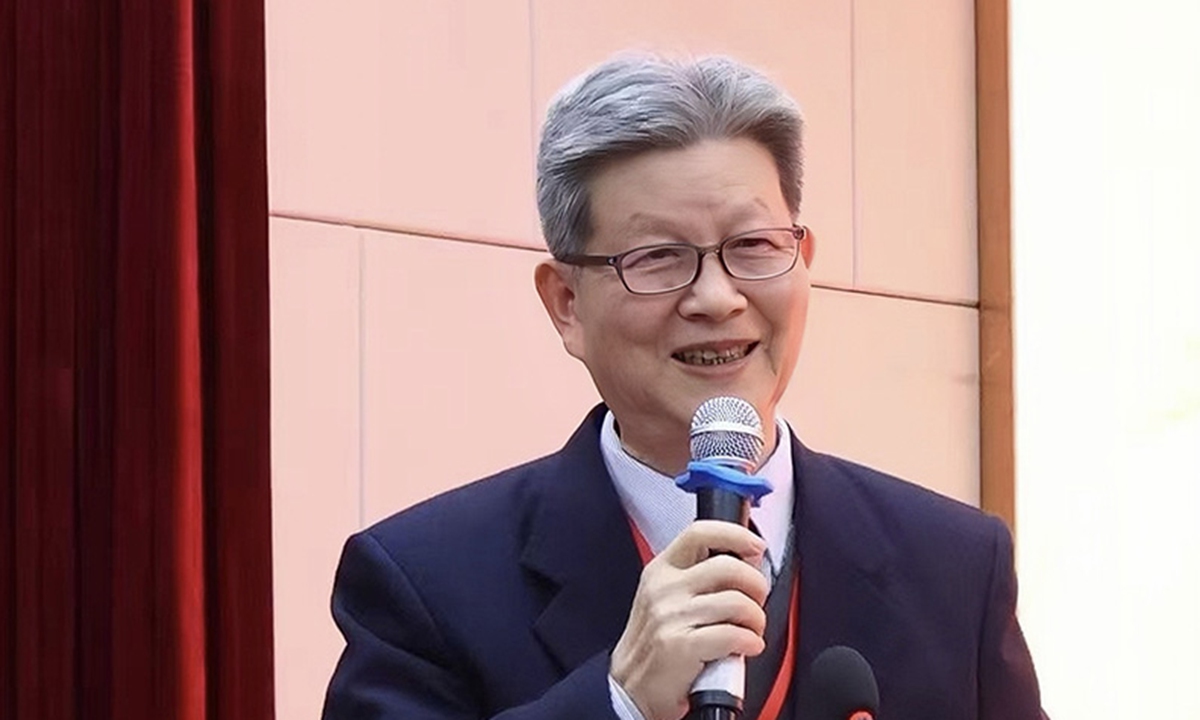
In the ninth article of the "Scholars' Perspectives" column, Global Times talked to Professor Hu Dekun, Honorary President of Chinese Institute for History of the World War II and former Vice President of Wuhan University.
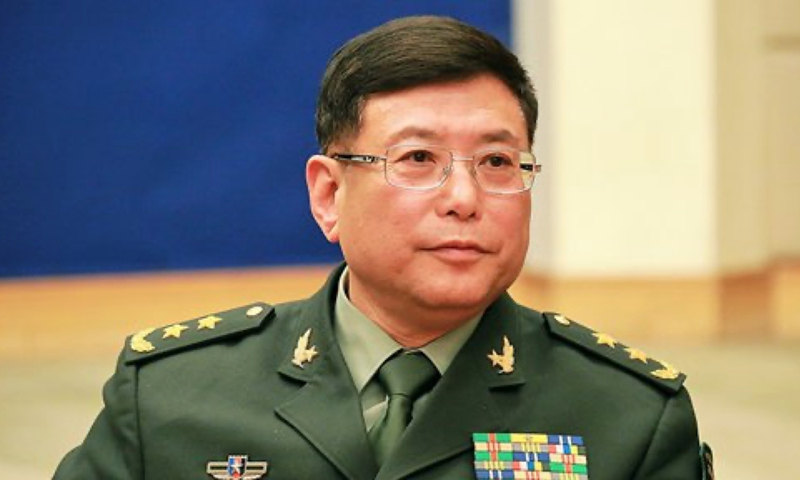
In the eighth article of the "Scholars' Perspectives" column, Global Times talked to Lieutenant General He Lei, former vice president of the Academy of Military Sciences of the People's Liberation Army (PLA).
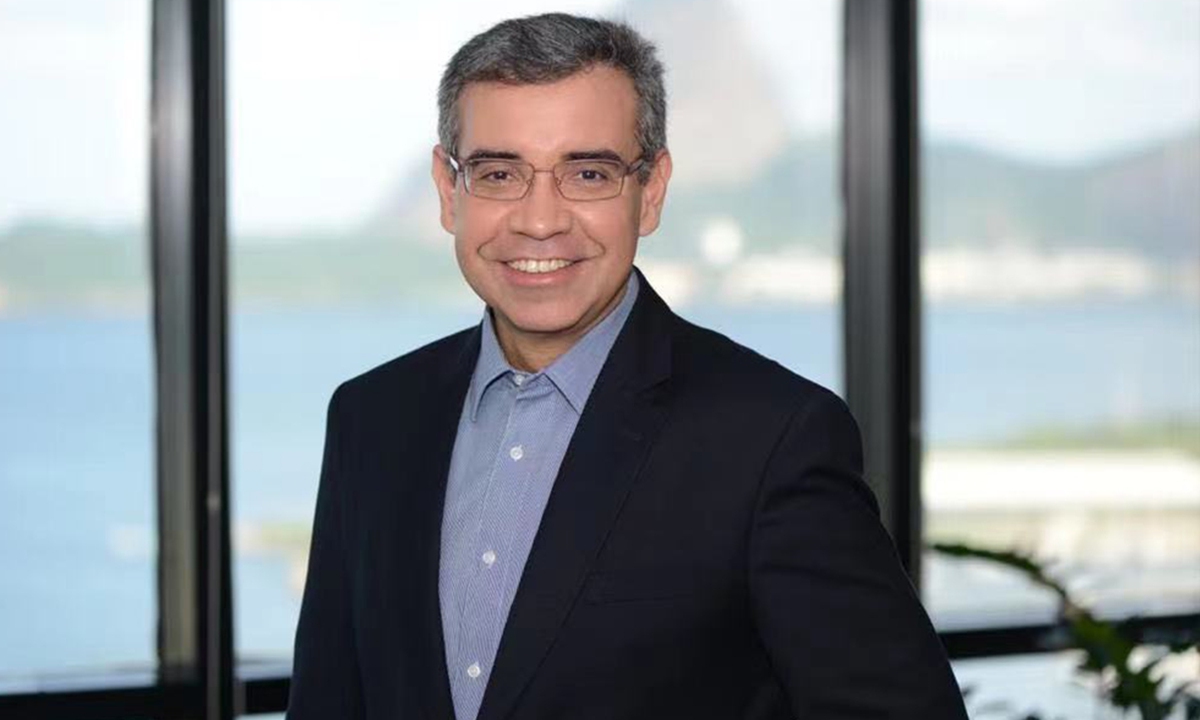
In the seventh article of the "Scholars' Perspectives" column, Global Times talked to Evandro Menezes de Carvalho (Carvalho), professor of international law at the Federal Fluminense University, Brazil.
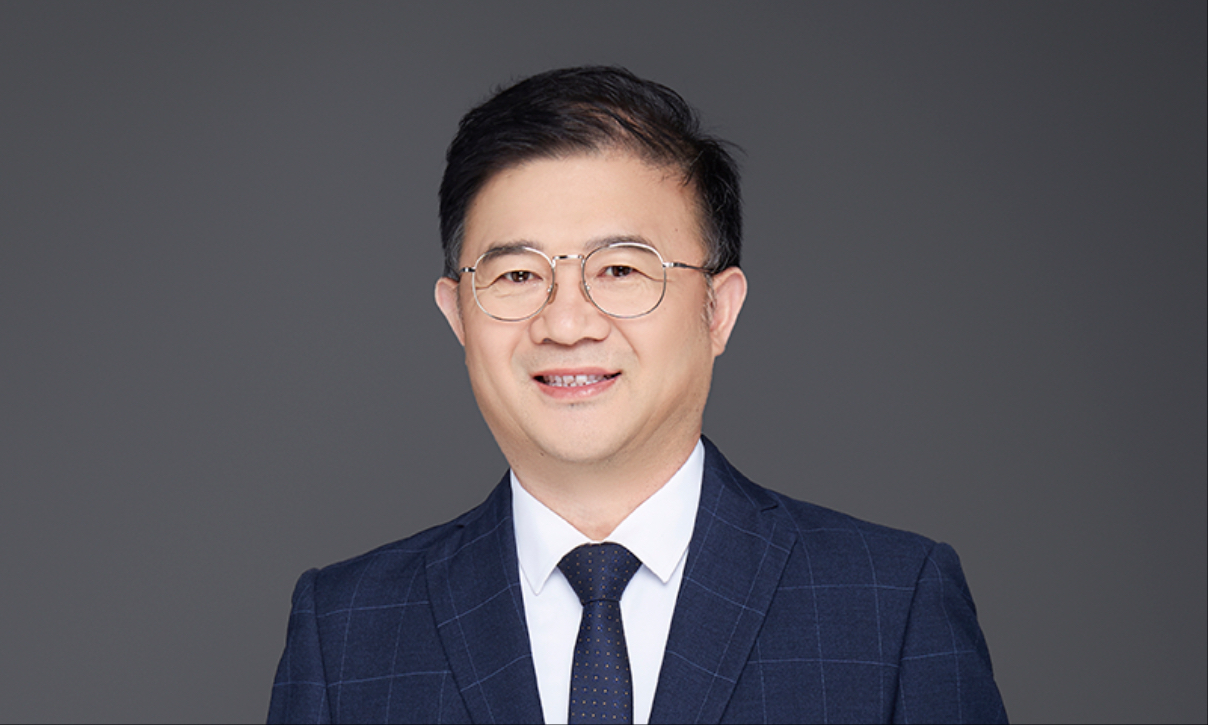
This is the sixth article of the "Scholars' Perspectives" column, which features Xu Bin, director of the Marxist Institutional Theory Research Center of Beijing Normal University, also a professor of the School of Marxism at the university.
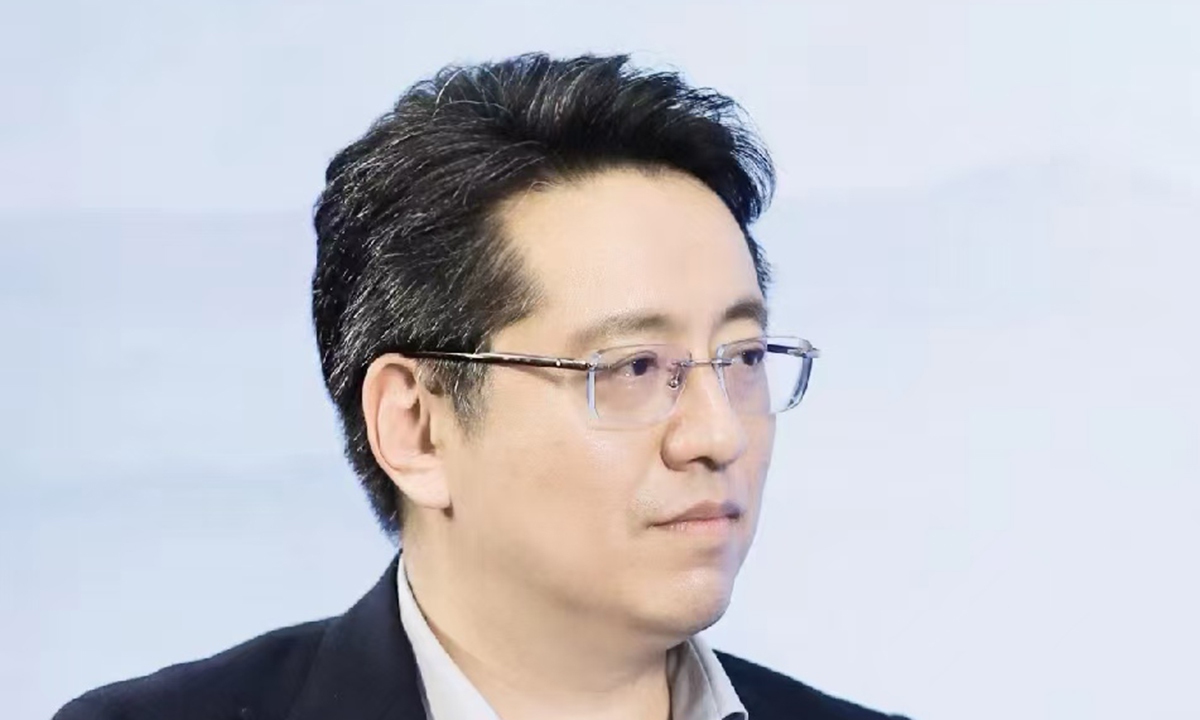
The fifth article of the “Scholars' Perspectives” column features an interview with Dong Yu, executive vice dean of the China Institute for Development Planning at Tsinghua University. Dong is one of the participants in the formulation of several recent five-year plans and has also witnessed the central economic policy-making and implementation since the 18th CPC National Congress.
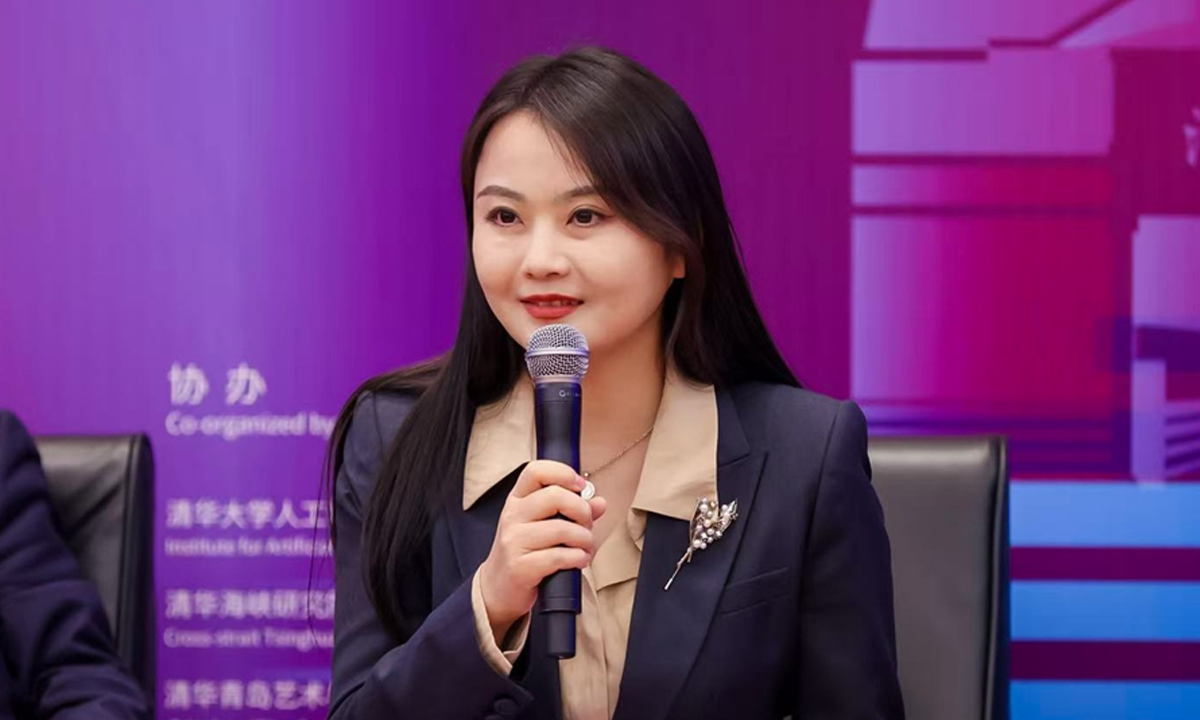
In the fourth article of the "Scholars' Perspectives" column, which comprises interviews with and signed articles from renowned scholars across various countries, Global Times (GT) reporter Liu Caiyu and Chen Qingqing talked to Zhang Linghan, a professor from China University of Political Science and Law who is also a member of the UN High-Level Advisory Body on Artificial Intelligence.

China has been on the right side of history, because if it weren't, the humanity as a whole would not have been on the right side of history either.
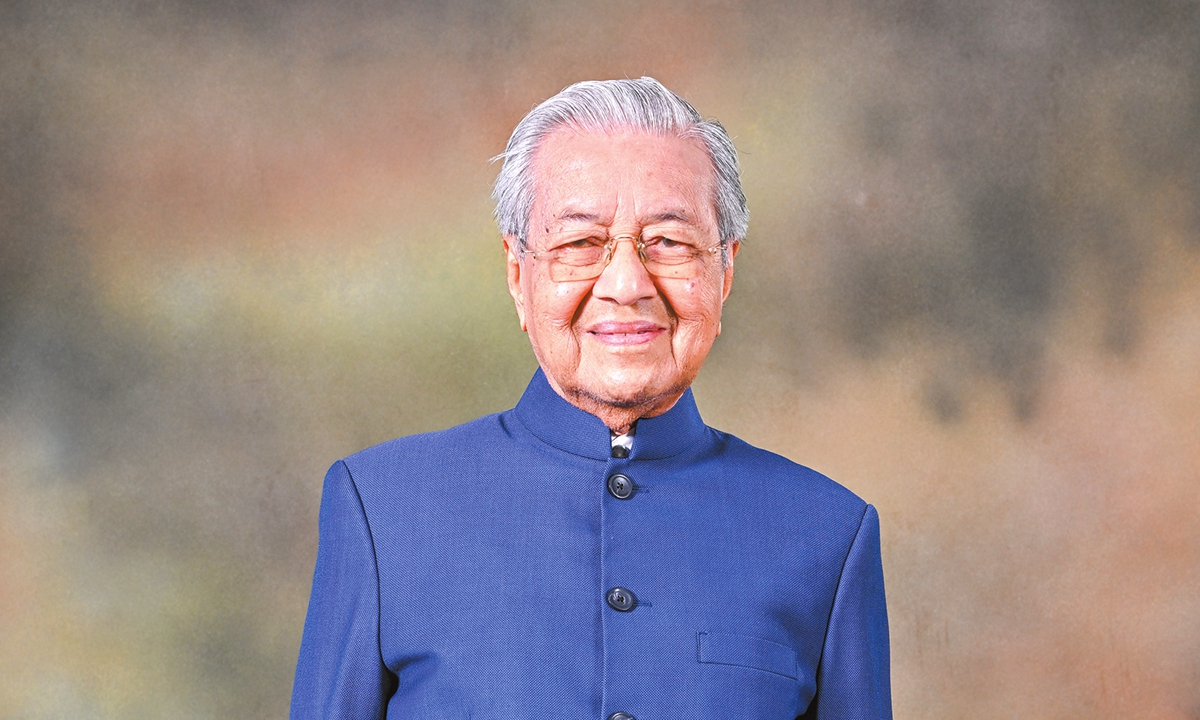
The principle of amity, sincerity, mutual benefit and inclusiveness reflects China's foreign policy and is very acceptable to countries of SE Asia, because we want to live at peace between ourselves, says former Malaysian PM Mahathir
In the first article of "Scholars' Perspectives" which comprises interviews with and signed articles from renowned scholars across various countries, GT reporter Wang Wenwen talked to Evandro Menezes de Carvalho (Carvalho), professor of international law at the Federal Fluminense University, Brazil.

I've said that when historians of the future write the chronicles of our times, a highlight is sure to be China's remarkable 40 years of reform and opening-up, and bringing living standards in rural areas up to near living standards in urban areas is essential: Robert Lawrence Kuhn
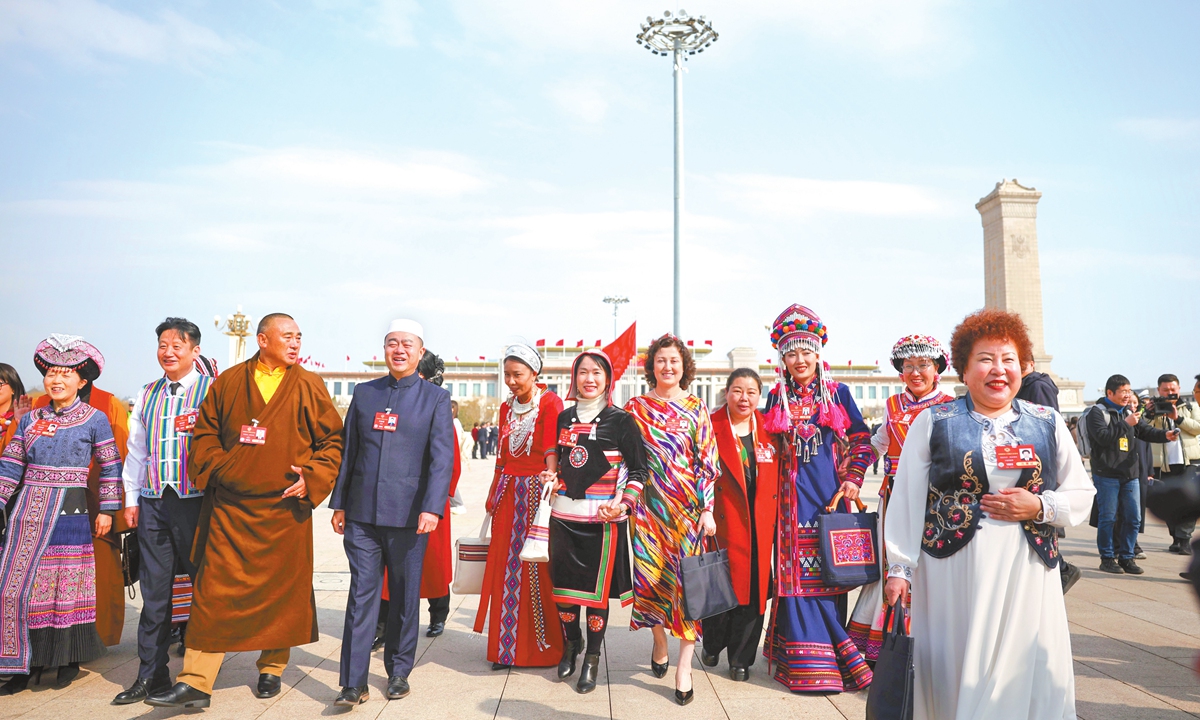
The main advantage of the whole-process people's democracy is that decision makers are aware of the specific necessities of the people at the base of social organization, and can therefore design specific policies to meet the specific needs of the people. People are effectively in charge of democracy.

Expanding institutional opening-up is a key task of the Chinese government's economic work in 2025. This deployment is not only a new trend of high-quality economic development, but also a major step to respond to the turbulence in international relations, unilateral sanctions and trade wars imposed by Western countries.
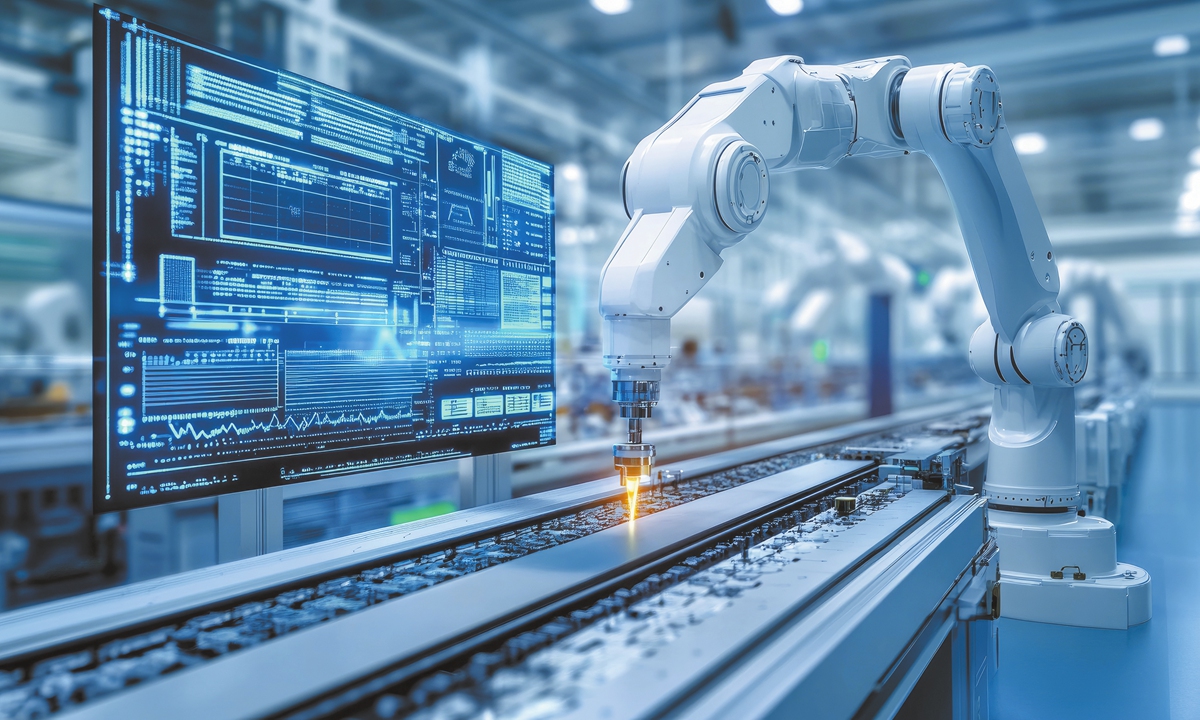
In the past decade or so, China's contribution to global growth was close to 30 percent. The size of China's economy and its growth rate jointly make it the largest contributor.

The "two sessions" are not only a major political event in China but also a key window for the world to observe the country's democratic politics and development trajectory. This year, as in years past, the event has captured considerable global attention, highlighting China's ongoing development and its implications for the world stage. In the "Unraveling the allure of China" series, the Global Times (GT) invites experts and scholars from around the world to delve into the multifaceted allure of China and explore how the lessons drawn from its unique experiences can provide valuable insights for other nations.

Kerry Brown, professor of Chinese Studies and director of the Lau China Institute at King's College, London, shared with GT his views on China's efforts to continuously play a positive role in global development.

Luis Rene Fernandez Tabio, senior professor and researcher at the University of Havana, shared his insights with GT on the achievements of China's green transformation.

The Global Times solicits opinions from four foreign experts who have visited China's rural areas and are dedicated to China's rural development.