Philippines disputes China's travel advisory; experts urge Manila to address safety concerns
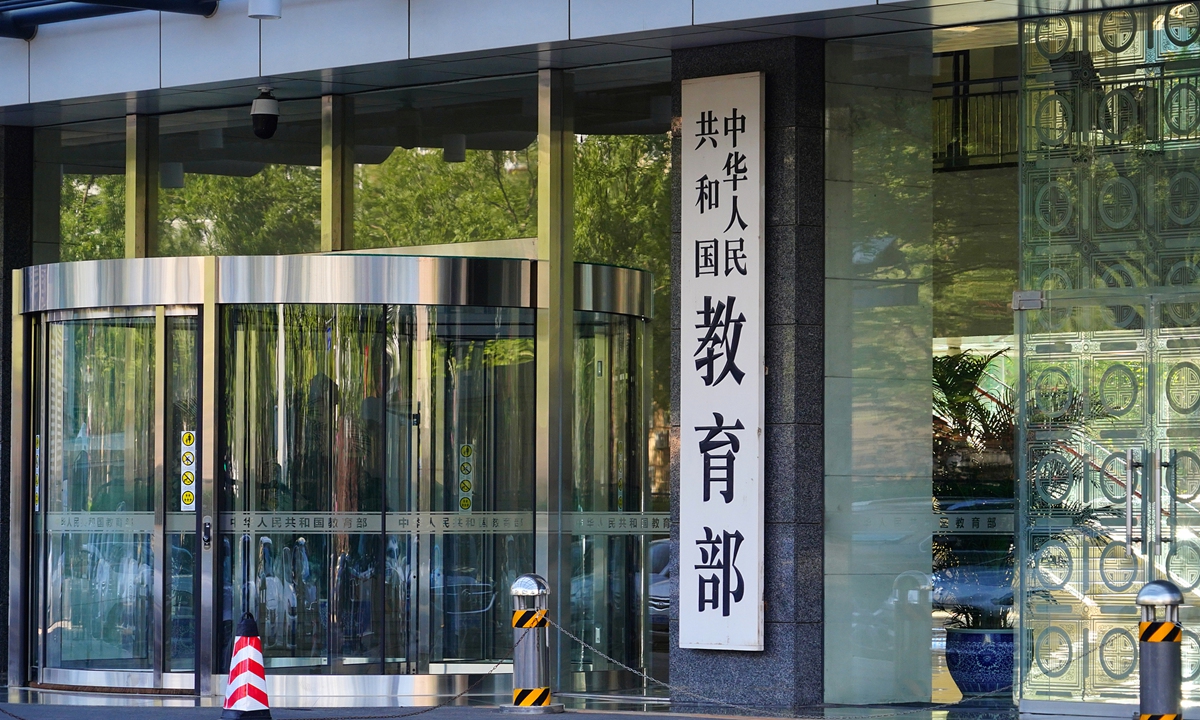
Photo: CFP
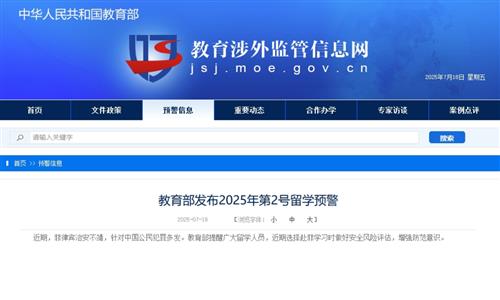
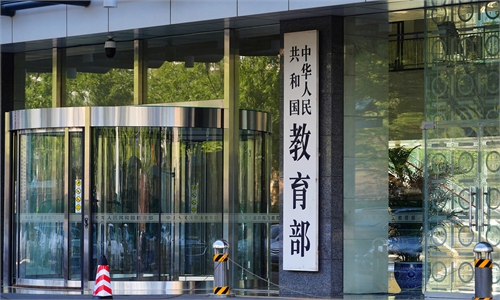
The Philippine government on Sunday disputed China's latest advisory warning its students about safety risks in the country. Chinese experts noted that in recent years, the Philippines' increasingly irrational and radical China policy has become an important factor Chinese students must consider when choosing to study there. In response to China's safety alert, the Philippines should reflect on more than just the issue of education.Manila's latest claims were in response to an alert issued by the Chinese Ministry of Education on Friday noting the recent deterioration in public security in the Philippines, with a rise in crimes targeting Chinese citizens. The ministry advised Chinese students in the country to conduct thorough safety risk assessments and remain vigilant if planning to study in the Philippines in the near future, Xinhua News Agency reported.
"The relevant advisory issued by the Chinese Ministry of Education mischaracterizes the situation in the Philippines," the Department of Foreign Affairs (DFA) said in a statement, noting that "All instances of crimes, including those involving Chinese and other foreign nationals as well as those perpetrated by foreign nationals against their own, are being addressed by relevant law enforcement authorities," the DFA said.
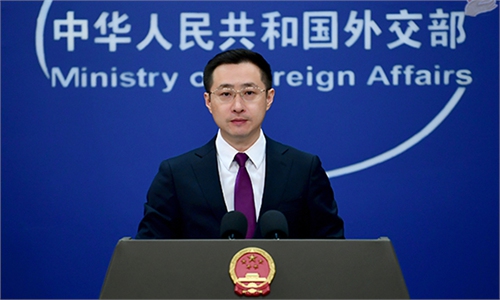
On Friday, Chinese Foreign Ministry spokesperson Lin Jian commented on the education ministry's advisory, noting that over the past few months, there have been rising safety risks in the Philippines with an increase in crimes, stop-and-search and harassment targeting Chinese nationals.
"The alert is a responsible and legitimate measure taken by the Chinese government to protect the safety and rights and interests of Chinese students overseas. We once again remind Chinese students studying in the Philippines to make a careful assessment of the safety risks. At the same time, we urge the Philippines to take concrete actions to protect the safety, dignity and lawful rights and interests of Chinese students studying in the Philippines," Lin said.
"The issuance of the alert and the widespread public attention it has drawn suggest that the Philippines should reflect on more than just its international education issues. In recent years, the Philippine government's irrational shift in its China policy has significantly increased both policy and personal safety risks for Chinese students studying there. In fact, discriminatory incidents targeting Chinese students in the Philippines have occurred more than once in recent years," Ge Hongliang, Vice Dean of the ASEAN College at Guangxi Minzu University, told the Global Times.
According to media reports, in February, a 14-year-old Chinese student was kidnapped by a criminal gang, which killed his driver and cut off the student's finger to force his parents to pay a ransom, according to Philippine officials. The boy was later abandoned by the side of the road as police closed in.
In April, Guo Congyuan, also known as Anson Que, a Filipino-Chinese businessman known as the "Steel King," was kidnapped and murdered along with his driver.
The Chinese Embassy in Manila issued a safety warning in April, urging Chinese citizens there to stay vigilant and strengthen precautionary measures amid heightened social instability, with frequent cases of Chinese individuals and enterprises facing arbitrary inspections and harassment by local law enforcement.
A month later, the embassy released an open letter regarding the unjust treatment of Chinese citizens in the Philippines. Those included unwarranted inspections, harassment, deliberate visa delays, unlawful detentions, and fabricated allegations such as "espionage" or "gambling cases" without evidence. "These actions, exceeding lawful authority, violate the legitimate rights of Chinese nationals and disrupt normal China-Philippines exchanges. We urge the Philippine side to cease such discriminatory practices, uphold fair treatment, and safeguard bilateral relations," the letter stated.
The deteriorating security situation in the Philippines has become a widely recognized concern in the region and international community, with countries including Japan and South Korea also raising safety concerns in recent months.
However, instead of addressing these issues, Philippine authorities have chosen to deny the problems and cover up the truth - an approach that has not only failed to resolve the situation but has actually increased the risks, Chen Hong, executive director of the Asia Pacific Studies Centre at East China Normal University, told the Global Times.
As a responsible government, the Philippines should confront these social problems head-on, implement concrete measures to improve public security, and cooperate with regional partners to combat crime, Chen said.
RELATED ARTICLES