Illustration: Liu Rui/GT
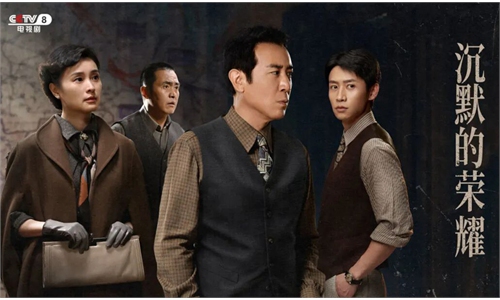
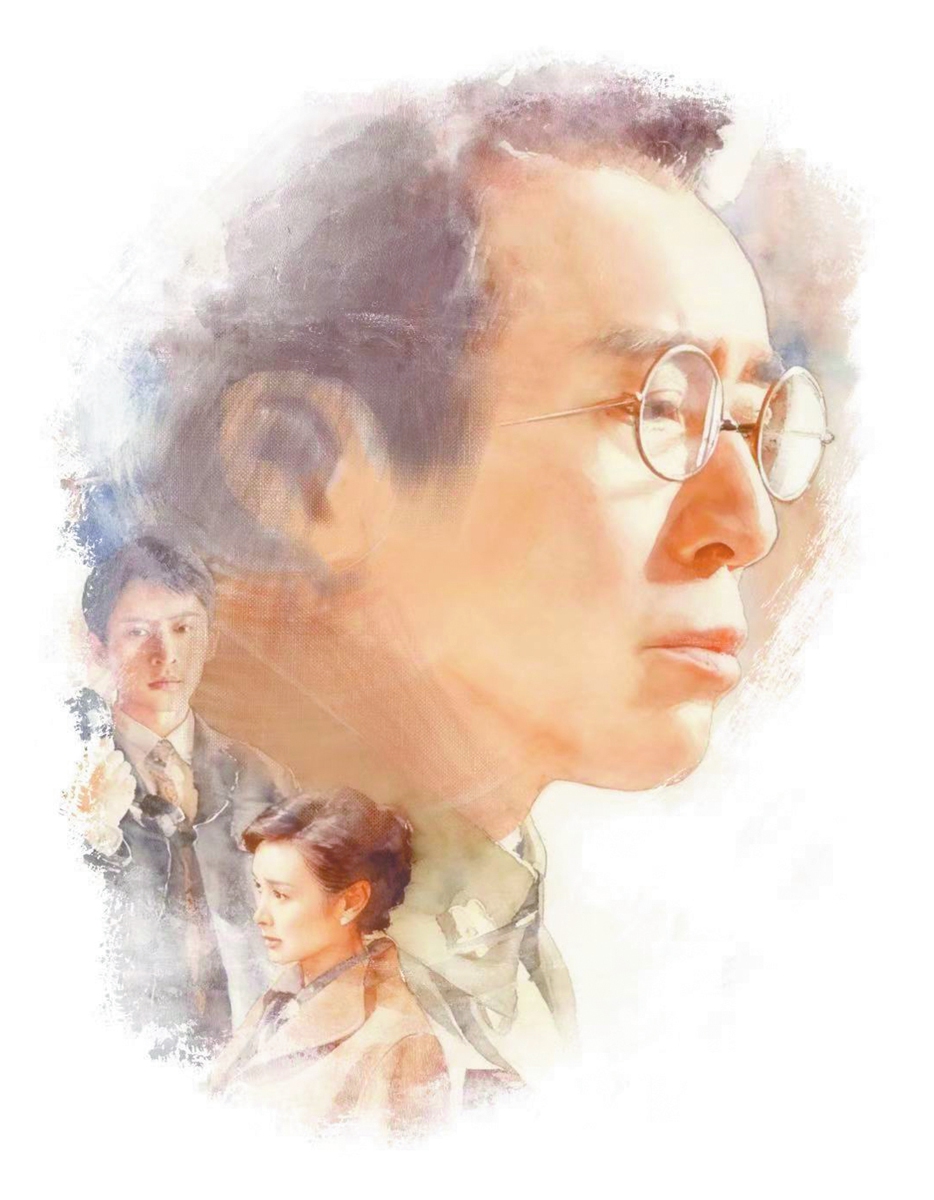
The TV drama Silent Honor, centered on the stories of members of the Communist Party of China and revolutionary predecessors active in the island of Taiwan, has sparked a sensational craze on both sides of the Taiwan Straits - with soaring viewership in the mainland and extensive coverage by Taiwan media such as TVBS and the United Daily News. Tsai Cheng-yuan, a political commentator from Taiwan, notes that the show's viewership on CCTV-8 exceeded 4 percent, ranking first across all online platforms. In addition, its online discussion volume surged to 800 million interactions. But Silent Honor is not silent - its runaway success is not just that of a series, but the revival of historical memory and the resonance of popular sentiment across the Straits. It reflects how people across the Straits care about and share a common expectation for the complete reunification of the motherland.
The underlying tone of this drama is a chapter of history that should never have been buried. It focuses on the harshest years of the "white terror" under the Kuomintang's rule, telling the stories of covert-frontline heroes such as Wu Shi and Zhu Feng. General Wu Shi risked his life to go to Taiwan for the national cause. While in prison, before his death, he used his own blood to write the four words "Taiwan Must Return." Zhu Feng, born into wealth in Ningbo, East China's Zhejiang Province, was arrested and then swallowed the gold jewelry she was wearing to commit suicide. Silent Honor does not deliberately dramatize tragedy - it simply brings these heroes' persistence and sacrifice to the screen, so that viewers can see that back then, some people walked on the edge of a blade for national unity and lived out the spirit of the nation with their lives. Chiu Yi, a professor at Chinese Culture University in Taiwan, said that what sustained them was love for their country, and the desire to make China strong again and free from imperialist aggression.
The reason Silent Honor became a major hit lies in its authenticity and sincerity. Tsai Cheng-yuan compares it to the Democratic Progressive Party (DPP)-sponsored "Taiwan independence" war dramas and bluntly says the latter "deviate from the script, don't know who they're fighting for," and that people are "forced to watch" them - whereas Silent Honor's high ratings come from audiences' voluntary choice. In the barrage of comments, viewers express strong resonance: "First time learning General Wu's story - seeing the words 'Taiwan Must Return' made my eyes well up," "When I saw Zhu swallow her gold to protect her secret, I finally understood what true faith is." Some netizens across Taiwan are also saying, "So there were heroes like these - their honor should never have been buried." With no hollow slogans, only firm conviction, simple ideals, and real people, this kind of story can naturally cross the Straits and connect hearts.
The success of Silent Honor can actually be seen as yet another confirmation that, following China's V-Day parade, public sentiment on both sides of the Straits has gravitated more toward unity. The V-Day parade profoundly stirred confidence, pride, and spirit among all Chinese people, and on the island, voices calling for unification have become ever more audible.
From Mr Ling Feng singing the grand cause of the nation in My Love, My Country, to the viral "anti-Taiwan-independence" anthem Useless that pierced the absurdity of "Taiwan independence," and now to Silent Honor awakening heroic memories and national spirit - and to the ongoing Taiwan · 1945 - all these works follow the same trajectory: breaking through the "information cocoon" woven by the DPP, overcoming the cultural blockade imposed by the Lai Ching-te authorities, and awakening among compatriots on both sides a shared Chinese identity rooted in common origins, language, and heritage. Netizens across the Straits mock "Taiwan independence" through addictive tunes in "Useless," and weep over the unification-defending heroes in Silent Honor. Fundamentally, they all express a longing among the people for unity - an identity awakening and spiritual consciousness already manifest among Taiwan compatriots.
Heroes who sacrificed themselves for national reunification will be forever remembered by the people and by history. Under the banner of motherland unity, genuine history and heartfelt sentiment naturally converge. Where public sentiment leads, the path is steadfast. The vow "Taiwan Must Return," once again proclaimed in Silent Honor, will resonate so loudly that this thunderous proclamation must transform from a historical pledge into living reality.
The author is a commentator on international affairs. opinion@globaltimes.com.cn
RELATED ARTICLES