‘Regarding deterioration of Japan–China ties, what responsibility do you think you should bear?’ ex-PM Noda questions Takaichi on her Taiwan remarks
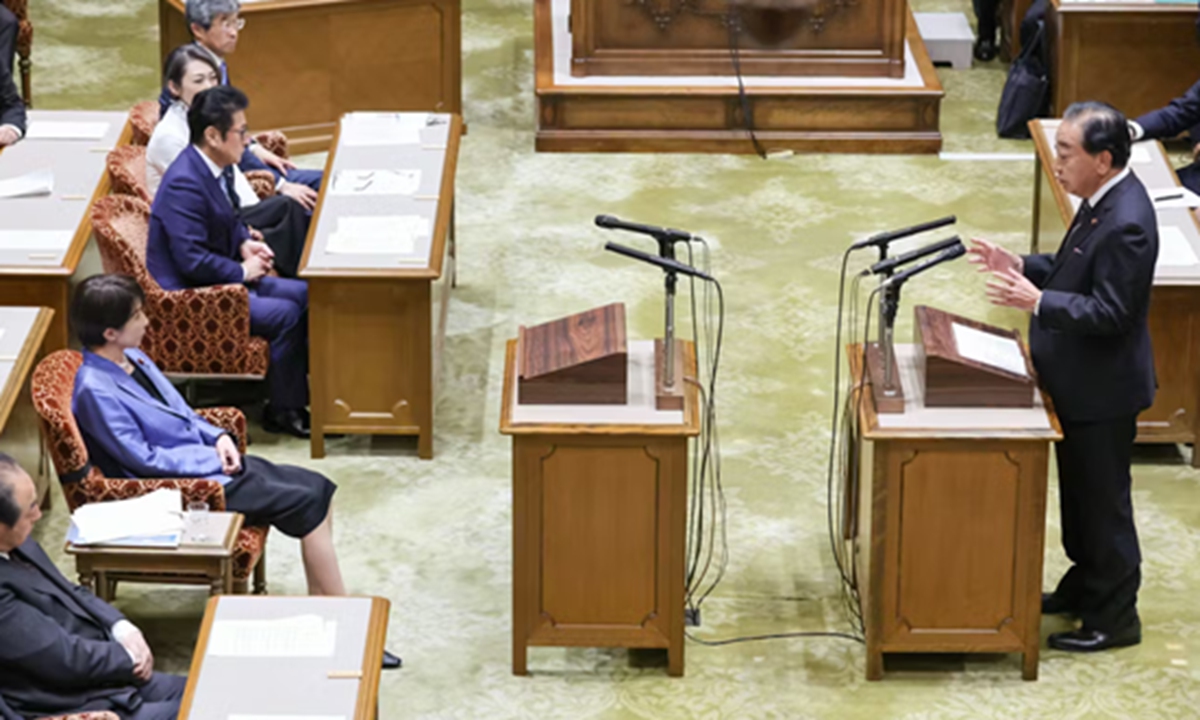
Former Japanese Prime Minister Yoshihiko Noda (right), leader of the main opposition Constitutional Democratic Party of Japan, questions Prime Minister Sanae Takaichi during a parliamentary debate on November 26, 2025. Photo: Screenshot from Nikkei News
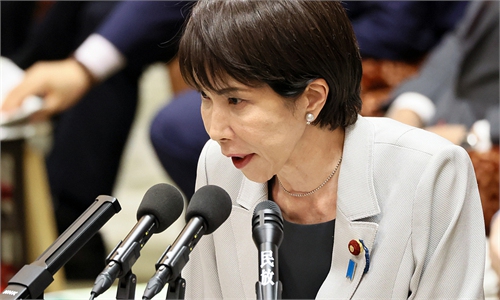
Former Japanese Prime Minister Yoshihiko Noda, leader of the main opposition Constitutional Democratic Party of Japan, was reported by media to have questioned Prime Minister Sanae Takaichi during a parliamentary debate on Wednesday: "Regarding the deterioration of Japan-China ties, what responsibility do you think you yourself should bear?" — as Takaichi's erroneous remarks on the Taiwan Straits in the Diet triggered widespread and strong criticism.
Noda said, "I believe that the Japan-US alliance is the cornerstone of our country's diplomacy and security. It is the most important bilateral relationship, but as for Japan-China relations, as I mentioned earlier about 'a plan for a hundred years,' even after 100 years, the fact that we are neighboring countries will not change," he further noted that it is important to make a win-win bilateral relationship, the Yomiuri Shimbun reported.
According to Nikkei, Noda noted that Takaichi's November 7 remarks concerning a so-called "Taiwan contingency" had chilled China- Japan relations.
Noda further noted that "the US, our ally, has long taken an ambiguous strategy regarding Taiwan. If that is the case, then Japan should also proceed in step with that ambiguous strategy, but Japan alone specifically clarifying and making its stance explicit is, I thought, something that harms our national interest. Was this not arbitrary?"
When asked by Noda what responsibility the prime minister should bear for the current situation triggered by her remarks, Takaichi did not give a direct response, Japanese media reported.
Takaichi claimed at a Diet meeting on November 7 that the Chinese mainland's "use of force on Taiwan" could constitute a "survival-threatening situation" for Japan. She refused to retract her remarks which imply the possibility of armed intervention in the Taiwan Straits. These claims immediately triggered strong criticism from legal scholars, anti-war organizations, and opposition parties, including Former Japanese prime ministers Shigeru Ishiba, Yoshihiko Noda, and Yukio Hatoyama.
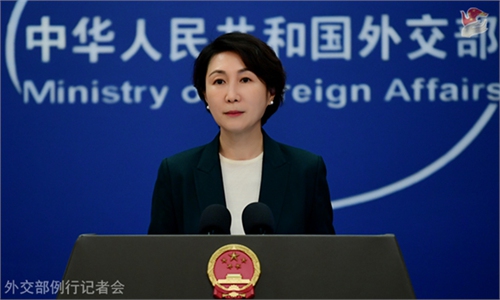
On Japanese Prime Minister Takaichi's erroneous remarks on Taiwan, Chinese Foreign Ministry spokesperson Mao Ning stated on Wednesday that China has stated its serious position more than once. Those remarks seriously violate the spirit of the four political documents between China and Japan, erode the political foundation of China-Japan relations, and challenge the post-war international order. China has made clear its firm opposition. The remarks have been questioned and criticized by visionary people inside Japan, and met with condemnation from the international community.
The spokesperson also noted that Japanese government's November 25 statement continues to repeat that its position on Taiwan is either "consistent" or "unchanged". That is hardly adequate. What China and the international community want are answers to these questions: What exactly does the Japanese side mean by what they call "consistent position"? Does the Japanese side still follow the one-China principle?
The Japanese side should honestly, accurately and fully articulate what that "consistent position" is. Soft-pedaling the issue, putting out unspecified notions without touching on the essence of the issue, and hoping that somehow the issue would resolve itself—such kind of approach will certainly not go anywhere, Mao said.
Not only that, the Japanese side, instead of turning back from the wrong course, again made irresponsible remarks in the statement regarding the Taiwan question and interfered in China's internal affairs. Let me stress that Taiwan is China's Taiwan. How to resolve the Taiwan question and realize national reunification is purely China's own affair and not for Japan to point fingers or even meddle in it. China once again urges the Japanese side to take seriously what it has heard from China, reflect on and correct its wrongdoing, retract the erroneous remarks without delay, and take practical steps to honor its commitments to China, the spokesperson stressed.
RELATED ARTICLES