Illustration: Chen Xia/GT
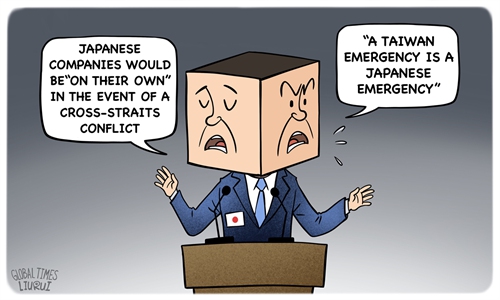
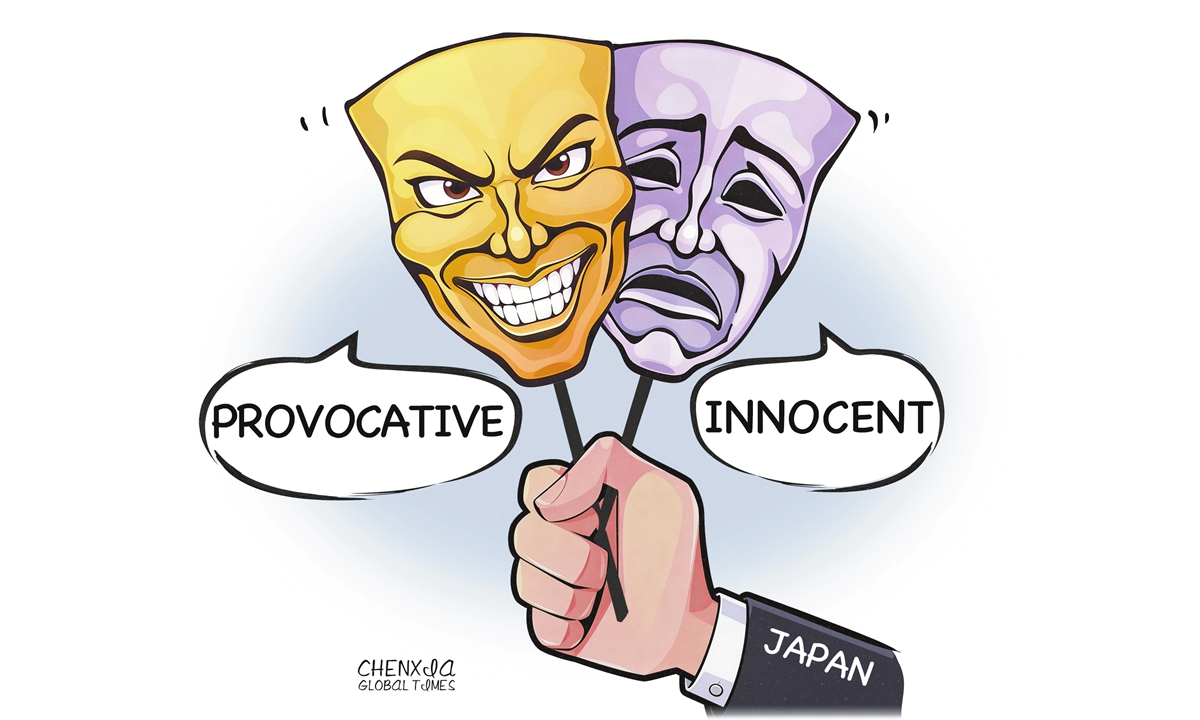
Japan has mastered the art of playing the victim to an unparalleled degree. Back in 1937, Japan cooked up the excuse of a "missing soldier" to justify its attacks on Chinese forces at the Lugou Bridge in Beijing, which became the start of a full-scale invasion of China. Now, in 2025, Japan has "vanished" a piece of truth to serve the same old purpose - fanning tensions with China. Over eighty years on, the playbook hasn't changed: strike first, then wail and whine.Against the backdrop of China-Japan ties hitting rock bottom, sparked by Japanese Prime Minister Sanae Takaichi's erroneous remarks regarding the Taiwan question, Japan has very recently rolled out a fresh act - the "radar illumination" saga.
On December 6, Japanese Self-Defense Force jets blatantly ignored China's prior notice and barged into China's exercise and training zones with close-in reconnaissance and disruptions on China's normal military activities, only to cry foul after China's use of its radar, stressing radar illuminations are a dangerous act. They went full drama-queen mode: holding a press conference at the absurd hour of 2 am, creating a tense, high-alert vibe and a near-war atmosphere.
At first, Defense Minister Shinjiro Koizumi claimed that China did not issue a notice in advance. But this was swiftly refuted.
On Tuesday, Yuyuantantian, a social media account affiliated with China's state broadcaster China Central Television, released audio recordings clearly showing that China had issued notifications twice about its shipborne aircraft flight training, with the second notification explicitly stating the start time, duration, and location. Japan acknowledged receipt both times, according to Yuyuantantian.
Faced with this ironclad evidence, Koizumi had no choice but to backpedal. He admitted on Wednesday that Japan received the notices but nitpicked that the details were lacking. After having detailed information about the location and duration, what more details does he need? His attempt to save face only laid bare Japan's habitual victim act - the thief crying "stop thief."
Let's rewind history: In 1931, Japanese troops blew up a section of the railway in Shenyang and accused the Chinese military of doing it. Using the blast as a pretext, Japan launched an invasion of northeast China. In 1937, Japan started a full-scale invasion of China by "making up a story about a missing soldier." Fast forward to today, Japan is once again putting on its "scared Japan" show, all because of "radar illumination." Over eighty years later, Japan's ingrained muscle memory of "strike first, then play innocent" hasn't changed a bit.
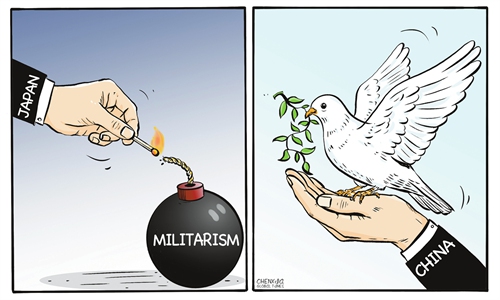
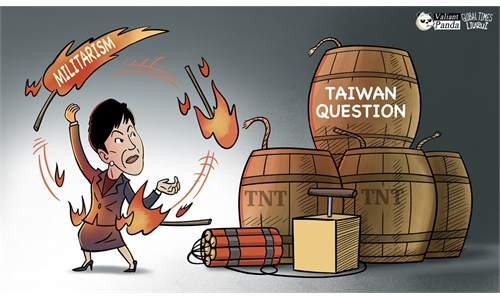
Observers note that the latest drama on "radar illumination" has a clear motive: to divert global attention from Takaichi's erroneous remarks on the Taiwan question, paving the way for missile deployments on Yonaguni Island, arms sales to the Philippines - a move to ease restrictions on Japan's weapons exports, and revising the Pacifist Constitution - ultimately transforming Japan from a nation that "can't fight" into one that "can strike," all while convincing the world it's been forced into it.
The real danger in East Asia isn't a radar blip; it's the successive Japanese governments that like to provoke, then play the innocent victim and never take responsibility.
Also on Wednesday, Toshio Tamogami, a retired Japan Air Self-Defense Force general, posted on X, claiming, "the US has always claimed that the Pacific War began with Japan's aggression and the sneak attack on Pearl Harbor, In reality, for the 20 years leading up to the Pearl Harbor incident, the US had been continuously harassing and containing Japan … It was the US that ultimately dragged Japan into the war."
One can't help but wonder - how does the US feel seeing this?
History rolls on, the cast changes, but Japan's lines stay exactly the same - "It's never Japan's fault; Japan was forced to defend itself."
RELATED ARTICLES