Japanese media unveils PM's non-proliferation aide outed as official behind nuclear weapons possession claim

Oue Sadamasa, a special advisor to Prime Minister Sanae Takaichi Photo: file
Japanese media Shūkan Bunshun reported on Wednesday that the anonymous official from the Prime Minister's Office cited in reports claiming that "Japan should possess nuclear weapons", a statement that drew widespread condemnation, is Oue Sadamasa, a special advisor to Prime Minister Sanae Takaichi, whose portfolio includes nuclear disarmament and non-proliferation.
Citing a government insider, the Japanese outlet said that the speaker serves as "special advisor for nuclear disarmament and non-proliferation."
Hailing from Nara, the same hometown as the Prime Minister, Oue Sadamasa is a close associate and a key adviser on defense issues, Shūkan Bunshun wrote.
Quoting a government insider, the report said that the fact that someone who believes Japan should possess nuclear weapons is assigned to oversee nuclear disarmament is far from putting the right person in the right role. This is a case where the Prime Minister's appointment responsibility could be called into question, and the remarks themselves should have warranted dismissal. However, given their close relationship, no action has been taken so far, per Shūkan Bunshun.
On December 18, a senior government official told reporters that "Japan should possess nuclear weapons," sparking widespread controversy. The speaker was described as an anonymous "senior official in charge of security at the Prime Minister's Office," with the identity remaining undisclosed.
The interview was conducted under "off-the-record" rules, meaning the speaker's identity could be withheld while the content could be reported. As a result, media outlets published the remarks with the anonymous source, Shūkan Bunshun reported.
The report further said the outlet attempted to interview Oue Sadamasa on December 20 outside his residence, but Oue Sadamasa refused to answer questions about his nuclear remarks. In addition, the media once again sent a request for comment to the Takaichi Office, which also declined to respond.
The claim that "Japan should have nuclear weapons" has been met with criticism from Japanese former political figures, members of both ruling and opposition parties, and civil groups as well as strong opposition from neighboring countries.
A former Japanese political dignitary said that possessing nuclear weapons would "never be beneficial for Japan." A member of the Diet said that appointing such a person to advise on the Prime Minister's security and defense policy is not appropriate, according to media reports.
Under the comment section of Shūkan Bunshun's report on X around a thousand comments were seen. "Why do they think we're under attack in the first place? If we just steadily pursue normal, good diplomatic relations, our relationship wouldn't sour, right?" a X user hiroshi3desuga wrote in Japanese.
"Takaichi only has war preparations on her mind; the prime minister and lawmakers are unqualified,' another X user minervaowl_fly said in Japanese.
On Tuesday, Prime Minister Takaichi once again floated the idea of pushing ahead with discussions on revising the three documents on security and defense to reinforce combat capability.
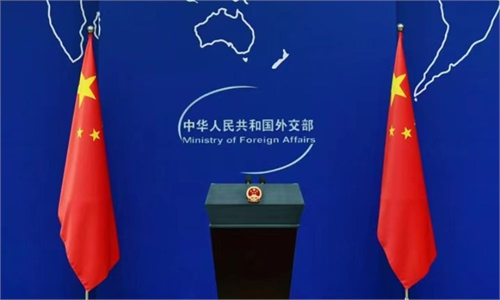
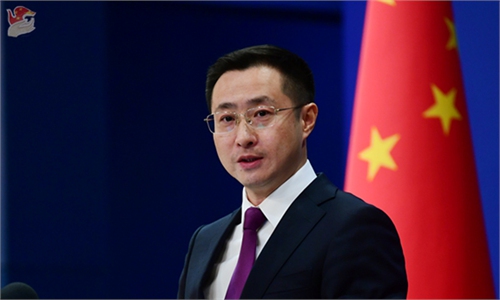
In response, Chinese Foreign Ministry spokesperson Lin Jian said on Wednesday it's by no means an isolated incident that a senior official from the Japanese Prime Minister's Office made such remarks.
This is yet another attempt by the Japanese side to intentionally test the bottom line of the international community and reveal the long-standing wrongful proposition and ambition of Prime Minister Takaichi and Japanese right-wing forces to continue remilitarizing Japan. It sends an extremely dangerous signal, Lin said.
These moves challenge the post-war international order, threaten regional peace and stability, and do not serve the interests of the Japanese people, Lin added.
RELATED ARTICLES