If the US tries to dominate the Americas, a lot of violence will result: Jeffrey Sachs
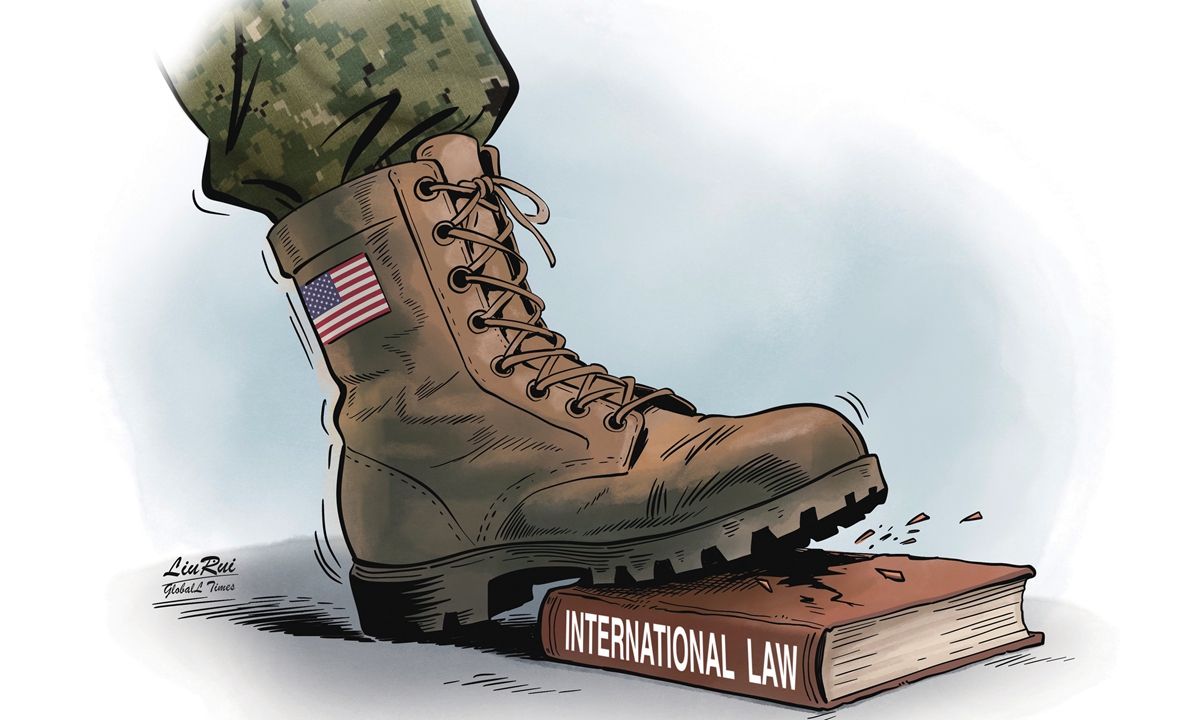
Illustration: Liu Rui/GT
Editor's Note:
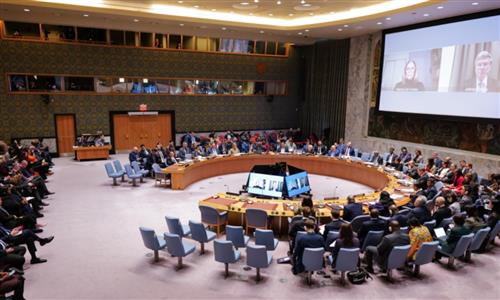
The January 3 US attack on Venezuela and the forcible seizure of President Nicolás Maduro have stunned the world, raising questions of whether the international law still has a binding effect on countries, especially such a superpower as the US. In a written interview with Global Times (GT) reporter Wang Wenwen, Jeffrey Sachs (Sachs), a renowned US scholar and director of the Center for Sustainable Development at Columbia University, said that US foreign policy works through wars, covert regime-change operations, economic sanctions and other hostile actions. He noted most of the rest of the world desires sovereignty and peace, not US domination.
GT: The US actions against Venezuela demonstrate that certain big powers can still place themselves above international law. Some believe that for such big powers, international law doesn't even exist. What's your take?
Sachs: I believe that the US is a particularly egregious case. The US is the country in the world least aligned with the UN Charter. US foreign policy works through wars, covert regime-change operations, economic sanctions and other hostile actions. This is all in violation of the spirit of the UN Charter and international law.
GT: Do you think "might makes right," as shown by the US actions, will prevail?
Sachs: I hope that the rest of the world resists this approach and reinforces support for the UN Charter. Perhaps Europe is too much of a US vassal, but other parts of the world, notably the emerging and developing economies (85 percent of the world population, and around 150 countries), will stand with international law.
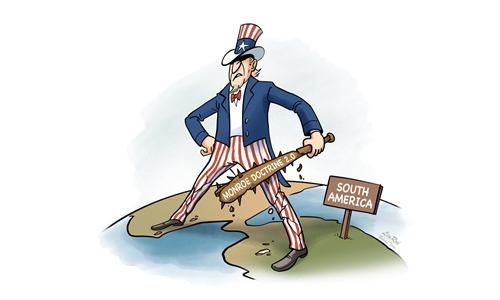
GT: The US actions are believed to amount to US imperialist aggression, which is rooted in the outdated Monroe Doctrine. The US president has even coined the term "Donroe Doctrine." How do you analyze this? What's the difference between the two? How is this different from the historical colonization by the US and other Western countries?
Sachs: The Monroe Doctrine stated that European imperial powers should not create new colonies in the Americas or exercise military options in the Americas. It was not a license for the US to invade other countries in the Americas. The "Donroe Doctrine" is a brazen claim that the US will dominate the Americas, by force if necessary. Theodore Roosevelt had a Roosevelt Corollary that the US would police the Americas, but even Roosevelt's Corollary was nowhere near as crude and violent as the current US government's. The Donroe Doctrine is different and new.
GT: To what extent will what happened in Venezuela have a spillover or domino effect? Do you think the US will achieve its goal of dominating the Western hemisphere at the cost of the sovereignty of Latin American countries?
Sachs: I do not believe the US will dominate the Americas. If it tries, a lot of violence will result.
GT: As you see it, what awaits the Latin American region, the law of the jungle or collective awakening? What should the rest of the world do?
Sachs: I believe that the US is reckless, but that most of the rest of the world desires sovereignty and peace, not US domination. I think most of the rest of the world will resist the US attempt at hegemony.
GT: After the US actions, what is the real reaction from the US political and academic circles? What worries you most?
Sachs: The US is no longer a constitutional system. It is run by a military-security apparatus, unfortunately. Congress plays a small role. The US public plays no role in US foreign policy. It is all very worrisome.
RELATED ARTICLES