Exclusive: Chinese semiconductor sector remains vigilant over US’ erratic stance on chip exports: deputy head of industry body
Nvidia ramps up H200 production amid expectations of renewed China sales
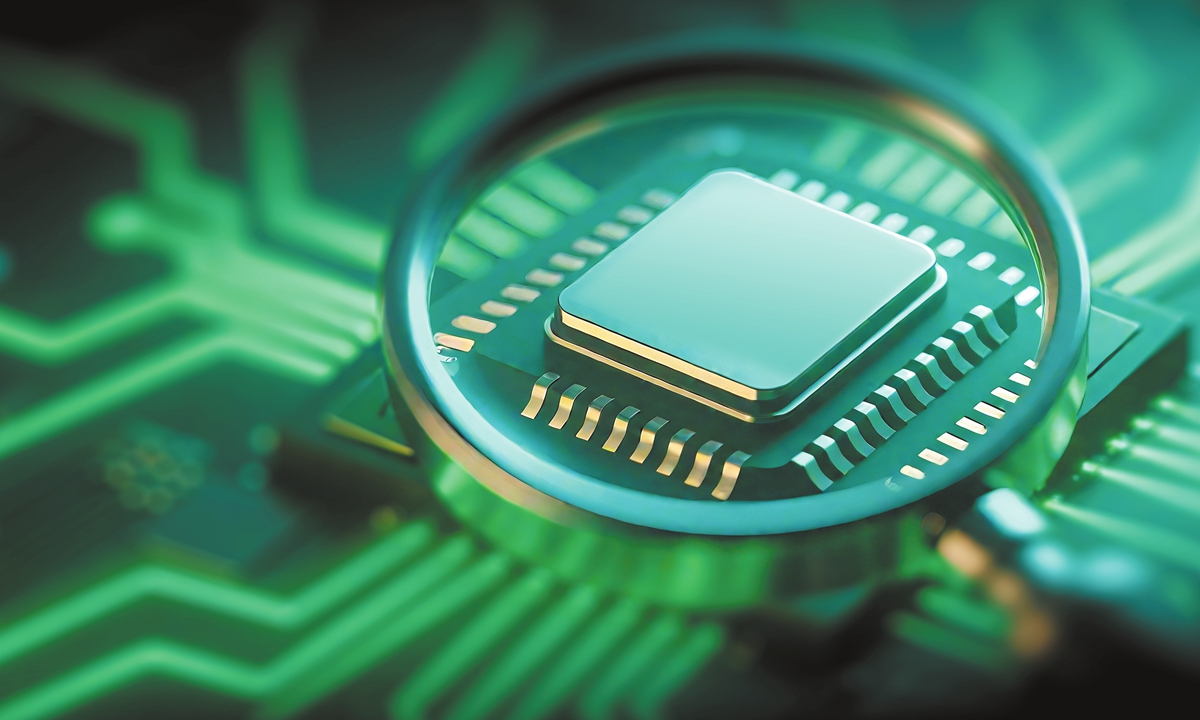
Chip Photo: VCG
While China's semiconductor industry welcomes China-US positive exchanges in technological innovation and industrial development in line with both sides' regulations, it must remain highly vigilant over the US' erratic stance on exports of high-end chips, the deputy head of the China Semiconductor Industry Association (CSIA) told the Global Times in an exclusive interview.
Wei Shaojun, vice chairman of the CSIA, made the remarks when asked about media reports that US-based chipmaker Nvidia aims to begin H200 chip shipments to China by mid-February. Nvidia told Chinese clients it aims to start shipping its second-most powerful artificial intelligence (AI) chips to China before the Chinese New Year holidays in mid-February, Reuters reported in December.
Notably, Nvidia CEO Jensen Huang said on Tuesday that the company has "fired up" production of H200 AI data center chips in the expectation it will soon be able to resume sales in China after striking a deal with the White House, the Financial Times (FT) reported.
Asked about the report in December that Nvidia may begin H200 chip shipments to China by mid-February, Wei told the Global Times that regarding the adjustment of export pacing for certain companies' products, this is an autonomous decision made by market entities based on market demand, compliance reviews, and commercial strategies. "We do not comment on specific cases," he said.
However, from the perspective of industry development, the rational flow of high-end computing resources helps promote the application and exploration of cutting-edge technologies such as AI, Wei noted.
"We have always believed that technology has no borders and that cooperation drives progress. As long as it complies with the regulatory requirements of both sides, any positive interaction that benefits technological innovation and industrial development is welcome," he said.
At the same time, the CSIA vice chairman further pointed out that the US' erratic stance - alternately easing restrictions and applying pressure on high-end chips - makes it difficult for others to discern its true strategic intentions: is the recent so-called "relaxation" a genuine signal to promote positive interaction, or is it a new tactic aimed at disrupting our development pace and lulling us into complacency?
"China's semiconductor industry must remain highly vigilant toward this, resolutely refuse to be deceived by superficial appearances, and, even more importantly, must not waver in its confidence and determination to persist on the path of indigenous development in advanced process technologies and other key areas," Wei said.
In December, US President Donald Trump announced that he would allow Nvidia to ship these advanced H200 chips to China in exchange for a 25 percent government cut from sales, but the deal with the White House has not been finalized, according to the FT report.
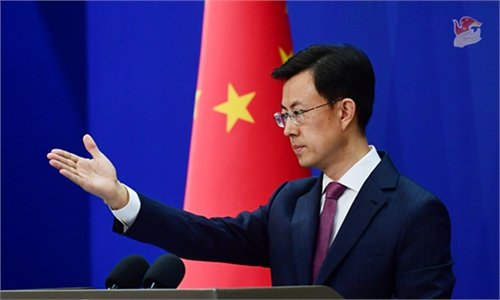
At a regular press conference on December 9, when asked whether China will allow H200 chips to be purchased after the US administration's decision to allow the sale of Nvidia H200 chips to China, Chinese Foreign Ministry spokesperson Guo Jiakun said that "we have noticed the reports. China always advocates that China and the US achieve mutual benefit through cooperation."
Nvidia's decision to increase H200 production shows the company's confidence that sales in China will resume, after previous arrangements to reopen the market failed to materialize amid the US' trade battles with Beijing, the FT reported. Notably, Huang was quoted by the FT as saying that "we're getting the last details of the licensing finished with the US government."
Also notably, Huang described Chinese entrepreneurs, engineers and AI researchers as "among the world's best," in an interview with Sohu Tech during CES (The 2026 Consumer Electronics Show), while noting the ecosystem's speed, hard-working culture and strong entrepreneurial drive, according to a video published on Wednesday. To contribute meaningfully to the China market, he added, Nvidia must continue to compete and advance its technology, per the video.
In the interview with the Global Times, Wei, while noting that compliant, positive cooperation is welcome, also raised concerns over cybersecurity issues associated with chips.
"Cybersecurity is a global challenge, and every country attaches great importance to the technological security of its critical infrastructure," he said, adding that China has a comprehensive evaluation and certification system and security management mechanism for imported chips, and the Chinese industry will maintain openness and promote innovation under the premise of ensuring national security.
Wei pointed to a US draft bill last year that requires "backdoors" for chips under export controls, including those of Nvidia, and noted that the Cyberspace Administration of China has summoned Nvidia over security risks concerning its H20 AI chips sold to China.
"Industry associations, experts, and the industry agree that such potential risks must be taken seriously from a strategic perspective of safeguarding national and industrial security," Wei said. "We also believe that leading international manufacturers value their brand reputation and customer trust, and will adhere to high standards in product quality and safety."
Furthermore, the CSIA vice chairman said that the appropriate introduction of advanced computing power products can alleviate the demand pressure in some application scenarios in the short term.
"Of course, even with the introduction of Nvidia chips, our determination to uphold independent innovation will never waver. From another perspective, it is precisely in this high-level competition that Chinese companies are being forced to make rapid breakthroughs in areas such as architecture design, packaging and integration, and toolchain development," Wei said, pointing to the deployment of domestically produced graphics processing units and AI accelerators in multiple scenarios, including training and inference, and edge computing.
RELATED ARTICLES