Frequent rain in south, low temperatures in north briefly delay rice planting but expected to be more beneficial than harmful
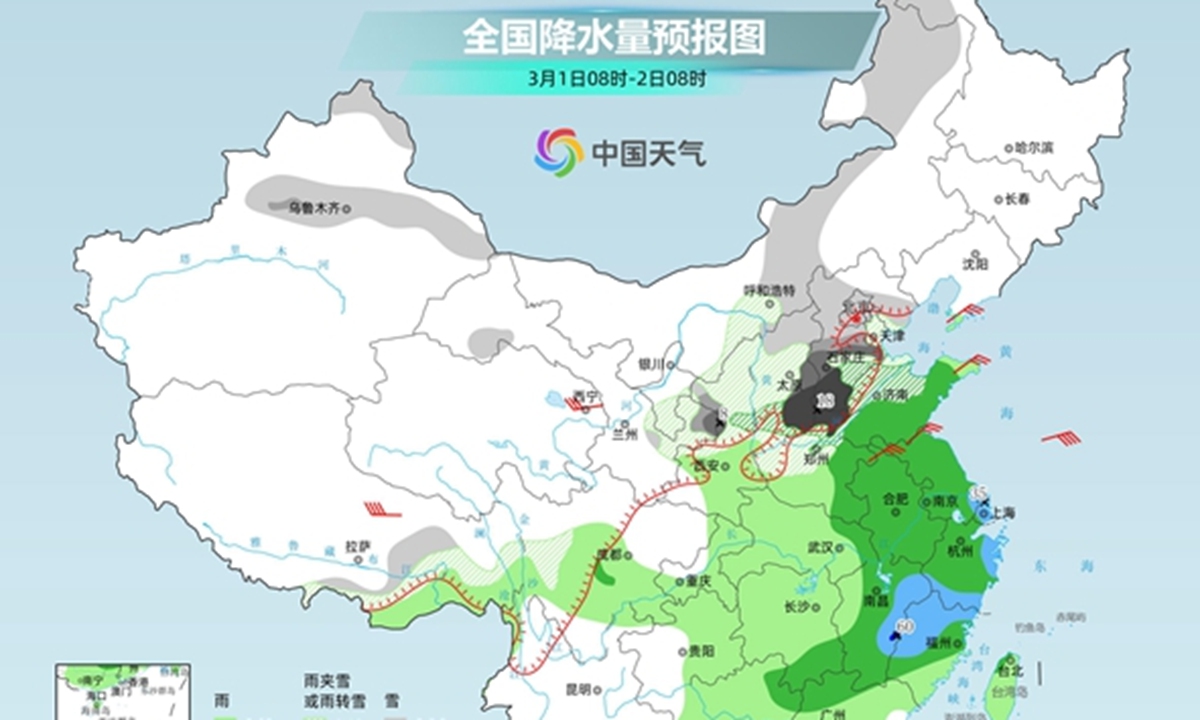
The national precipitation forecast map for March 1-2, 2026 Photo: Screenshot from weather.com.cn
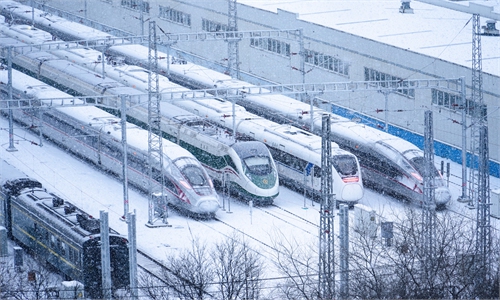
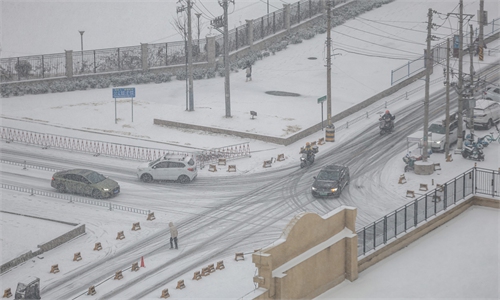
A new round of widespread rain and snow has begun sweeping across China since Saturday, with the Jiangnan region and South China expected to see frequent rainfall and localized heavy downpours, while northern regions are expected to experience continued below-average temperatures. Experts said the widespread heavy rainfall will help improve soil moisture and water storage, supporting early rice sowing, though severe weather may cause brief delays in early rice planting in central and eastern South China.
A major rain and snow event is forecast to affect China through Monday, with heavy snowfall in the northern areas and frequent rainfall, including localized downpours, in Jiangnan region and South China. Cold air will keep northern areas' temperatures below average in the next few days, weather.com.cn reported on Sunday.
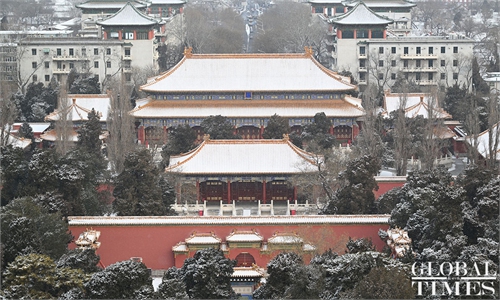
Heavy to blizzard conditions are forecast for parts of North China's Hebei and Shanxi provinces on Sunday, as heavier rainfall in the southern areas will shift eastward. On Monday, the scope of rainfall in the south will decrease, though parts of South China will still see moderate to heavy rain, including localized downpours, according to weather.com.cn.
The persistent rain, snow and cold air will keep daytime temperatures high in many parts of northern China low over coming days.
In the eastern part of North China's Inner Mongolia Autonomous Region and parts of Northeast China, daytime highs will remain below 0 C. In North China, temperature highs will generally hover around 5 C. In Shijiazhuang, Hebei, the highest temperature will stay at just 3 C to 4 C through Monday, briefly climb to 8 C on Tuesday, then fall back to 4 C on Wednesday, according to weather.com.cn.
This widespread rain and snow event coincides with China's spring plowing and sowing season. In terms of the spring farming schedule, late February to March is mainly the period for early rice sowing and seedling cultivation across South China to Jiangnan region, as well as the planting of spring wheat and spring corn in the northwest region, and the sowing and seedling cultivation of spring corn and single-season rice in the southwest region, the Xinhua News Agency reported.
This round of rain in the south and snow in the north is expected to have more beneficial than harmful effects on spring farming, with soil moisture replenished in previously dry areas and a strong foundation laid for spring plowing and sowing, Ma Jun, director of the Institute of Public and Environmental Affairs, told the Global Times on Sunday.
According to Zheng Changling, a senior engineer at the National Meteorological Center (NMC), snow or sleet is expected to affect the eastern parts of Northwest China, North China and the Huang-Huai region from Saturday to Monday, with brief sleet in parts of Gansu and Ningxia. The precipitation will be short-lived. Afterwards, the weather will be clear, temperatures will rise, and soil moisture will remain good, which is favorable for spring plowing and sowing, Xinhua reported.
Zheng suggested southern regions use rainfall to store water for spring farming, accelerate early rice sowing after the rain, and strengthen seedling management to ensure healthy growth of the rice.
Meanwhile, Ma said rain and snow will also have short-term negative limited impacts. In southern areas, heavy rainfall, localized downpours and strong winds may temporarily disrupt sowing. In northern areas, rain and snow combined with low temperatures could slow crop growth and should be closely monitored.
RELATED ARTICLES