Building a livable China with a visible and healthy ecology: Sustainability and health are inseparable
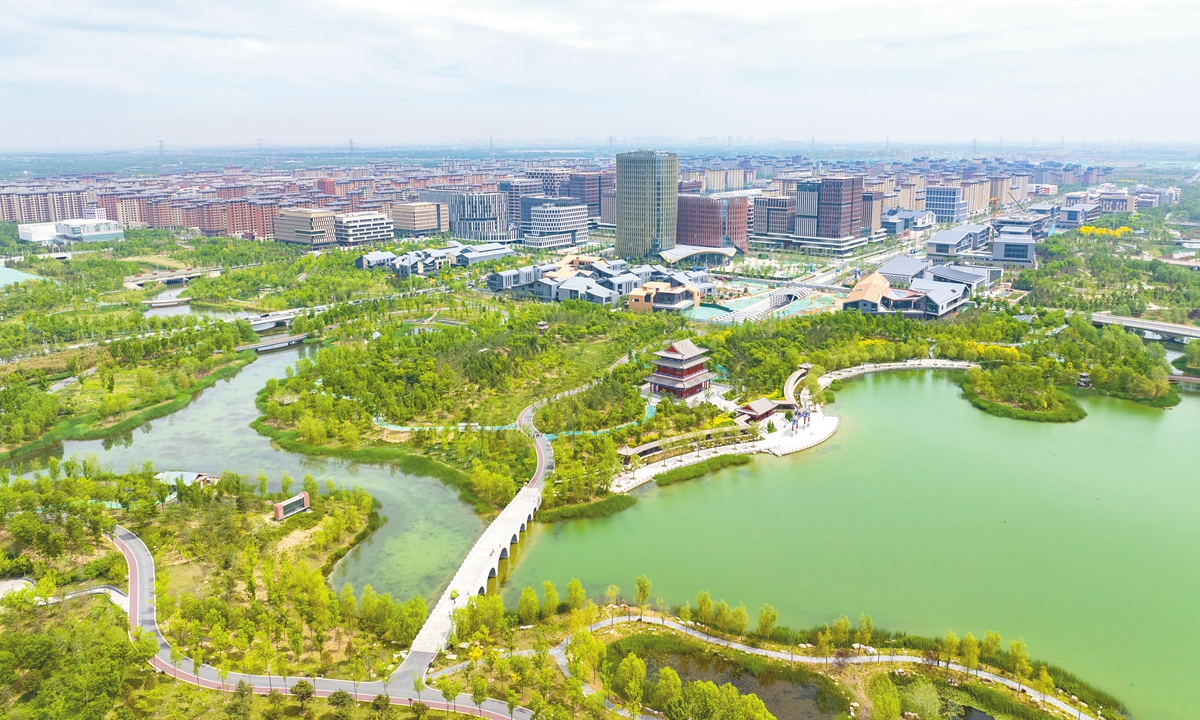
Jinhu park in Xiong'an New Area, Hebei Province Photos on this page: VCG
Editor's Note:"Building a Healthy China by 2035 is a strategic decision made by the Communist Party of China Central Committee" - Chinese President Xi Jinping made the remarks while attending a joint group meeting during the fourth session of the 14th National Committee of the Chinese People's Political Consultative Conference, the top political advisory body, on Friday. What makes the Healthy China Initiative appealing, and how will it benefit people's everyday lives? The Global Times has invited four foreign observers - currently residing in China - to share their personal experiences and observations. Through their perspectives, this series aims to illustrate how the initiative reflects a human touch, embodies China's governance philosophy and demonstrates its institutional strengths.
President Xi on Friday stressed unswervingly following the path of health development with Chinese characteristics to ensure decisive progress in advancing the Healthy China Initiative during the 15th Five-Year Plan period (2026-30). Building a Healthy China is a strategic decision, he noted.
Building a Healthy China is a commitment to the people, and strengthening ecological construction is aimed at safeguarding their health. My own experiences over the past 21 years reflect the evolution of a country that once made environmental sacrifices to build its economy, and now has the resources and determination to restore a healthier and more livable environment. Blue skies have replaced the industrial smog that once hung over many cities. Electric vehicles now glide quietly through city streets, and bike lanes lined with trees and bushes have transformed cycling from a health hazard into a healthy pleasure. River walks, pocket parks and sidewalk cafés have created vibrant community spaces throughout urban centers.
At the heart of this vision lies the belief that the health of the environment directly affects the health of the people. As Xi has stated, "A sound eco-environment is the fairest public good and the most inclusive benefit to people's wellbeing." Clean air, safe water, fertile soil and healthy ecosystems are not luxuries available only to a privileged few. They are essential conditions for protecting the health and quality of life of all citizens.
The Healthy China Initiative reinforces this approach by emphasizing preventing illness. Policies emphasize improving disease prevention and control systems, strengthening public health emergency response, expanding community-level medical services, and building a high-quality and efficient healthcare service system. The lessons learned from past public health crises have underscored the importance of resilience and preparedness, particularly in a country with a large older population.
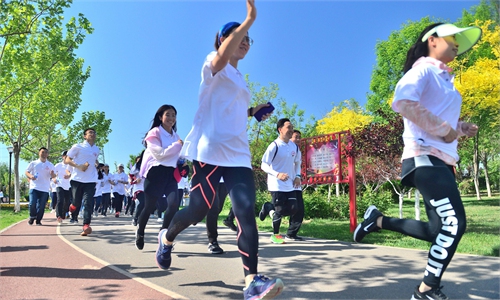
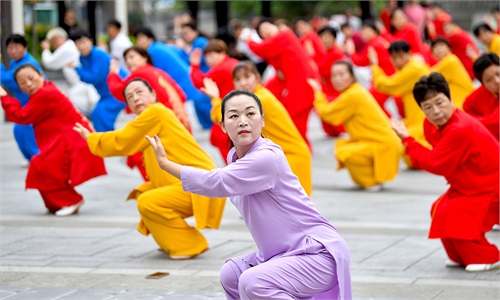
Another key pillar is the promotion of healthier lifestyles. Encouraging physical activity, promoting healthier diets, reducing smoking and excessive alcohol consumption, and raising awareness of preventive healthcare are all part of a whole-of-society effort involving communities, institutions and individuals.
At the same time, reforms are being pursued to make healthcare more equitable and efficient. Efforts include implementing reforms in medical services, health insurance and pharmaceuticals, while strengthening medical ethics and professional standards. Innovation also plays an increasingly important role.
Ultimately, the idea of a livable China with a visible and healthy ecology reflects a broader understanding that sustainability and human health are inseparable. In this vision, development is measured not only by economic growth but also by the vitality of the people. A sustainable and people-centered future is about using China's economic progress to provide for its physical wellbeing.
The author is a senior fellow of the Canadian think tank Center for International Governance Innovation who has been living in China for more than 20 years. opinion@globaltimes.com.cn
RELATED ARTICLES