Loose in discipline, reckless in rearmament: the untold truth about Japanese SDF
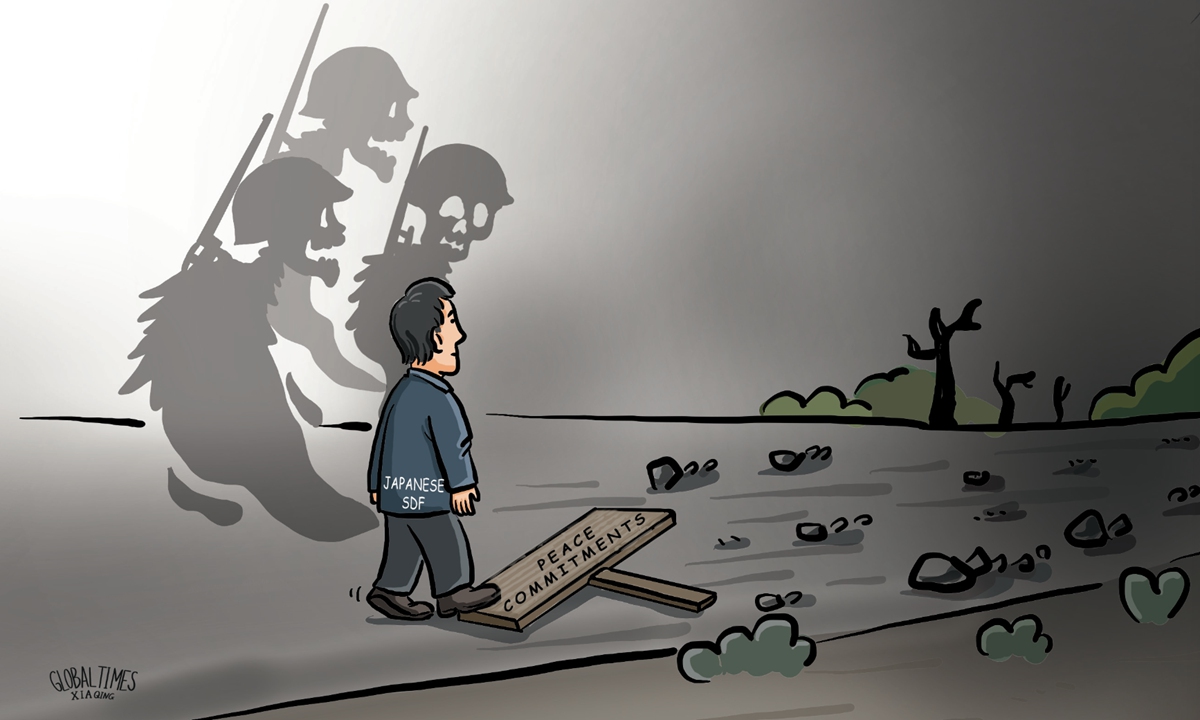
Illustration: Xia Qing/GT
On March 24, Kodai Murata, a second lieutenant in Japan's Ground Self-Defense Force (GSDF), scaled a wall and broke into the Chinese Embassy in Japan, carrying a knife with an 18-centimeter-long blade and threatening to kill Chinese diplomatic staff "in the name of God." This appalling and vicious incident has aroused widespread concern and indignation both within and beyond China. According to Japanese authorities, Murata is stationed at Camp Ebino in Miyazaki Prefecture. This incident is by no means an isolated case; rather, it reflects a broader pattern of misconduct in the Japanese Self-Defense Forces (SDF).Camp Ebino embodies the mismanagement, disorder and misconduct that are rife within the SDF. Japanese media reported that in May 2020, a SDF member at the garrison assaulted a colleague, slashing his back with a knife over a quarrel in a park in Kobayashi City, and was subsequently arrested on charges of assault. In February 2026, a unit from the garrison triggered a severe forest fire due to improper operations during mortar firing drills at the Kirishima Training Area, requiring multiple helicopters dispatched from the neighboring prefectures to bring the fire under control.
From violent assault to training-related fires, the chaos encompasses criminal offenses, violations of military discipline and safety incidents. Slack discipline has become a persistent malady. Japanese netizens have lashed out at SDF members, who are supposed to protect the people, for repeatedly breaking the law and bringing disgrace to the public. Media outlets, including The Asahi Shimbun, have pointed out that "massive scandal embroiling SDF highlights a lack of discipline."
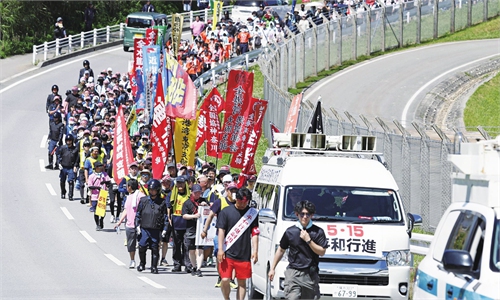
Pro-constitution peace groups in Japan have repeatedly held protest rallies opposing the government's rearmament moves amid the collapse of military discipline, calling for stronger institutional constraints on military forces. Former foreign minister Katsuya Okada, along with opposition lawmakers, experts and scholars, has warned that the expansion of the SDF risks fostering a military-industrial complex and that the country's development has deviated from the path of peace.
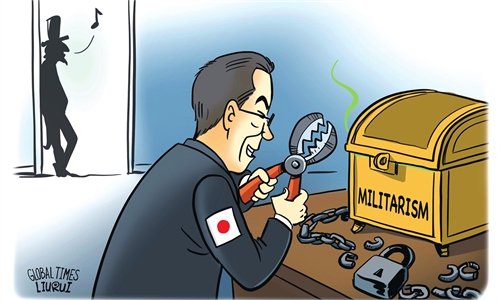
However, the Japanese government remains bent on pushing for the expansion and empowerment of the SDF. Japan's military spending has increased for 14 consecutive years, with the fiscal year 2026 defense budget exceeding 9 trillion yen ($58 billion), making a post-war record. Japan has purchased US-made Tomahawk missiles, and pressed ahead with the development of Type-12 long-range surface-to-ship missiles, hypersonic glide vehicles, large unmanned aerial vehicles, and unmanned underwater vehicles, aiming to build an integrated air-sea-space offensive system.
Japan has revised its three security documents, strengthened its "capability to strike enemy bases," and shifted the SDF's posture from "homeland defense" to "comprehensive deterrence and proactive strikes."
Additionally, Japan has fully lifted the ban on the right of collective self-defense, employing vague concepts to remove obstacles to combat-oriented operations and drastically lower the threshold for the use of force.
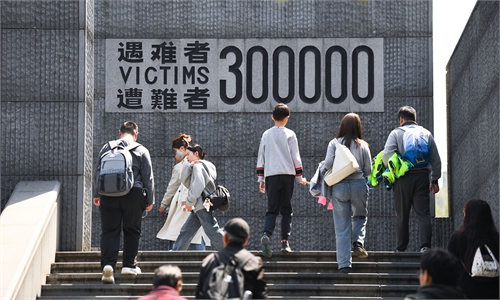
Despite slack discipline and mismanagement, the SDF is being endowed with expanded combat capabilities and operational authority. This dangerous combination is unavoidably reminiscent of Japan's actions on the eve of World War II. Back then, the Japanese military manipulated national decision-making, moving from military buildup to foreign aggression, plunging the Japanese people into the abyss of war.
The recurring chaos in the SDF is a stark manifestation of how Japanese right-wing forces are abandoning their country's peace commitments, challenging the post-war order, and accelerating the country's shift to the right. Historically, unchecked military expansion plunged Japan into irreversible doom and brought suffering to people across Asia and the world. Today, the Japanese government is once again watching as the SDF expands its power and reach. The international community must remain vigilant and urge Japan to face up to its past aggression, and abide by its peace commitments so that the tragedy of World War II will never repeat itself in the Asia-Pacific.
The author is a commentator on international affairs. opinion@globaltimes.com.cn
RELATED ARTICLES