FM urges Tokyo to avoid going further down the wrong path as Japan plans to revise Three Principles on Transfer of Defense Equipment and Technology
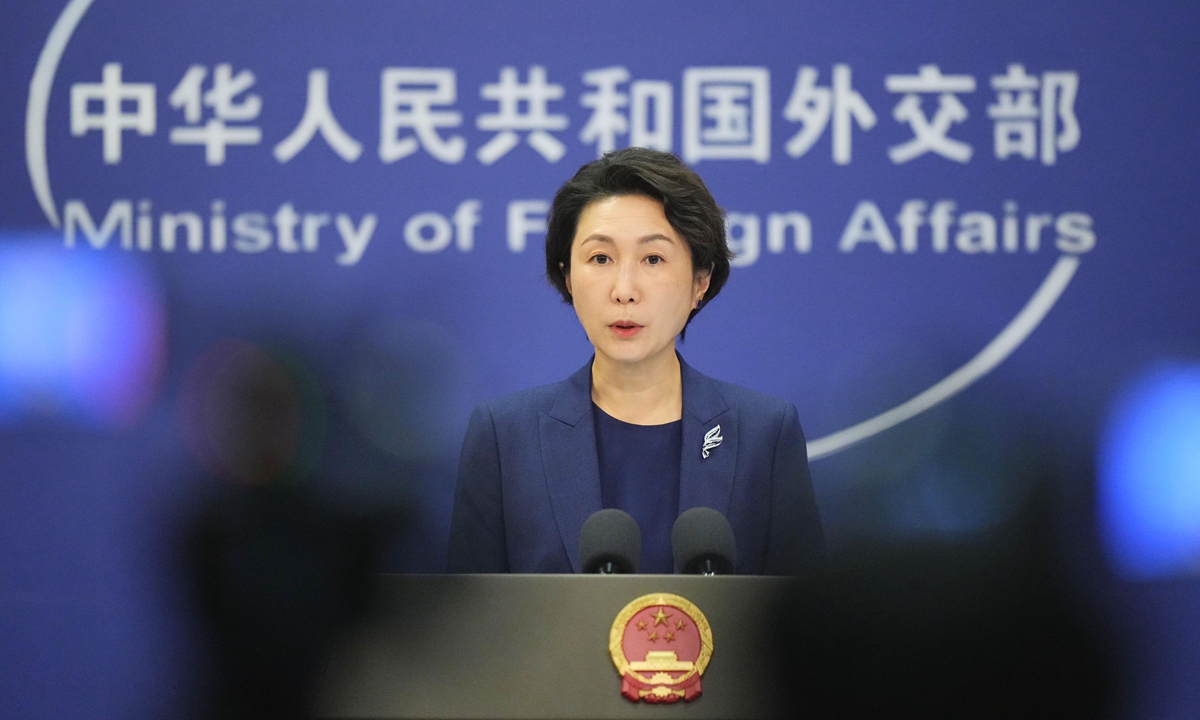
Chinese Foreign Ministry spokesperson Mao Ning
In response to media inquiries over reports that the Japanese government plans to formally revise the content of the Three Principles on Transfer of Defense Equipment and Technology this month, and the reported changes include no longer limiting exports to non-combat defense equipment and, in principle, allowing the export of lethal weapons; establishing "special circumstance" to permit arms exports to countries involved in conflicts, thus preserving export space; and removing the requirement to report such exports to parliament in advance, replacing it with notification afterward—Chinese Foreign Ministry spokesperson Mao Ning said China is seriously concerned about the development.
Mao noted that many international scholars and visionary people in Japan have also been deeply worried about it, believing that the move marks a fundamental shift in Japan's post-war policy on arms exports. It seriously violates legally binding documents such as the Cairo Declaration, the Potsdam Proclamation and the Japanese Instrument of Surrender. It also seriously violates Japan's Constitution and its existing domestic norms, and undermines the institutional safeguards established after World War II to prevent the resurgence of Japanese militarism.
"I also noted that previous opinion polls conducted by the Japanese government show that a majority of Japanese people oppose relaxing restrictions on arms exports. All these signs indicate that right-wing forces in Japan are pushing the country's security policy in a more offensive and expansionist direction," Mao said.
Mao said that Japan's acceleration of remilitarization is a fact and reality, with concrete plans and actions that are threatening regional peace and stability. The international community must remain highly vigilant and firmly oppose the reckless moves of Japan's neo-militarism. China urges Japan to deeply reflect on its history of militarist aggression, honor its commitments in the field of military security, act prudently, and avoid going further down the wrong path.
Global Times
RELATED ARTICLES