Illustration: Chen Xia/GT
Taiwan's legislature recently passed a revised version of a special arms procurement bill worth 780 billion New Taiwan dollars (approximately $24.8 billion). The vote took place on Friday, yet the controversy surrounding it has only just begun. This decision has ignited heated debate not only in Taiwan but also drawn significant attention from media outlets.The New York Times, for instance, noted the timing of the decision, which was made just before the US president's visit to Beijing. As pointed out by a Taiwan media outlet, the DPP authorities appear to be attempting to "use taxpayers' money to exchange for goodwill from the US."
However, the passage of this roughly $25 billion arms procurement budget went through the legislature with limited serious discussion of the most fundamental question: Can these weapons actually provide security for the island?
The answer is becoming increasingly clear: No. In fact, the more arms the DPP purchases, the more unstable the Taiwan Straits become.
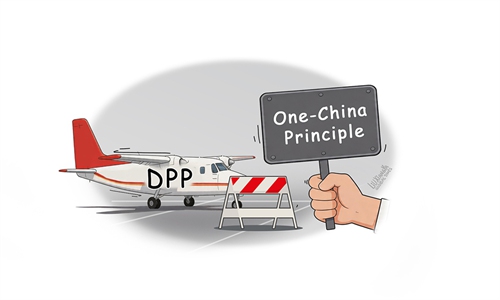
The DPP has consistently portrayed the Chinese mainland as a threat, deliberately stoking fear to undermine the very idea of One China, and then weaponizing that fear to extract more money from the public. To many observers, this resembles nothing more than a modern-day tribute: Using Taiwan taxpayers' hard-earned money to curry favor with external powers in a desperate bid to cling to power.
The DPP claims these arms purchases will raise the cost for the Chinese mainland if it chooses to use force. But would the Chinese mainland really abandon reunification simply because the Taiwan region will buy more weapons? One Taiwan analyst observed that likening the two sides is like comparing an elephant with a frog; a giant elephant is hardly going to change course just because the frog has acquired a few more arms.
So far, the Chinese mainland has shown great restraint, certainly not out of fear but because it sees the residents of Taiwan as family and wants to keep the door open for peaceful reunification.
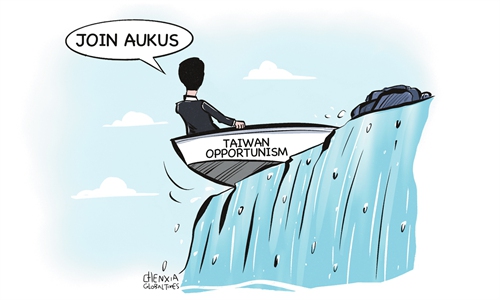
At this delicate moment in China-US ties, the timing of Taiwan authorities' arms purchase bill also raises another question: Is the DPP attempting to pull Washington deeper into its orbit and derail efforts to stabilize ties between Beijing and Washington?
That said, the "Taiwan independence" separatist forces are rapidly becoming a shared strategic risk for both Beijing and Washington. "Taiwan independence" implies war - an outcome neither Beijing nor Washington wishes to see.
Earlier this year, Bloomberg published an article titled, "The $10 Trillion Fight: Modeling a US-China War Over Taiwan." It painted a sobering picture: A conflict over the Taiwan island could slash the global economy by up to $10.6 trillion in the first year alone, mainly through "semiconductor supply chain disruptions, trade shocks from shipping disruptions and sanctions, and financial market shocks."
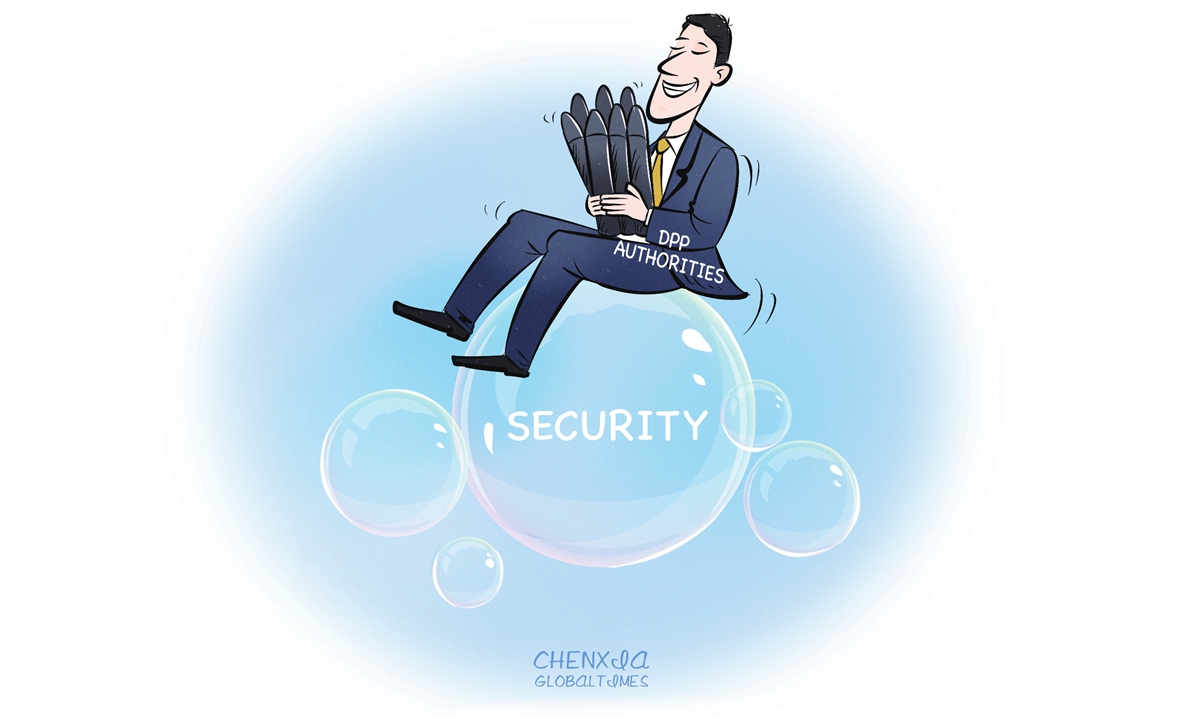
Arms sales to Taiwan amount to writing a blank check for the DPP's political gambles - with American taxpayers and US strategic interests ultimately footing the bill. The wise choice for Washington is clear: stop feeding the "Taiwan independence" forces their dangerous illusion of security. Only by jointly managing risks and curbing "Taiwan independence" forces can both China and the US protect their broader shared interests.
Nothing will destroy Taiwan faster than the separatists' stubborn fantasy of pursuing independence by leaning on external powers. Through relentless provocation across the Straits, the erosion of domestic livelihoods, and the reckless depletion of space for peaceful reunification, the DPP authorities are squandering the future prosperity and development dividends that Taiwan could have reaped.
The DPP authorities cannot buy peace with weapons, and they most certainly cannot buy a future. That is the most expensive truth behind their arms purchases.
RELATED ARTICLES