Rejecting Lai Ching-te and ‘independence’ is becoming a new consensus in Taiwan society
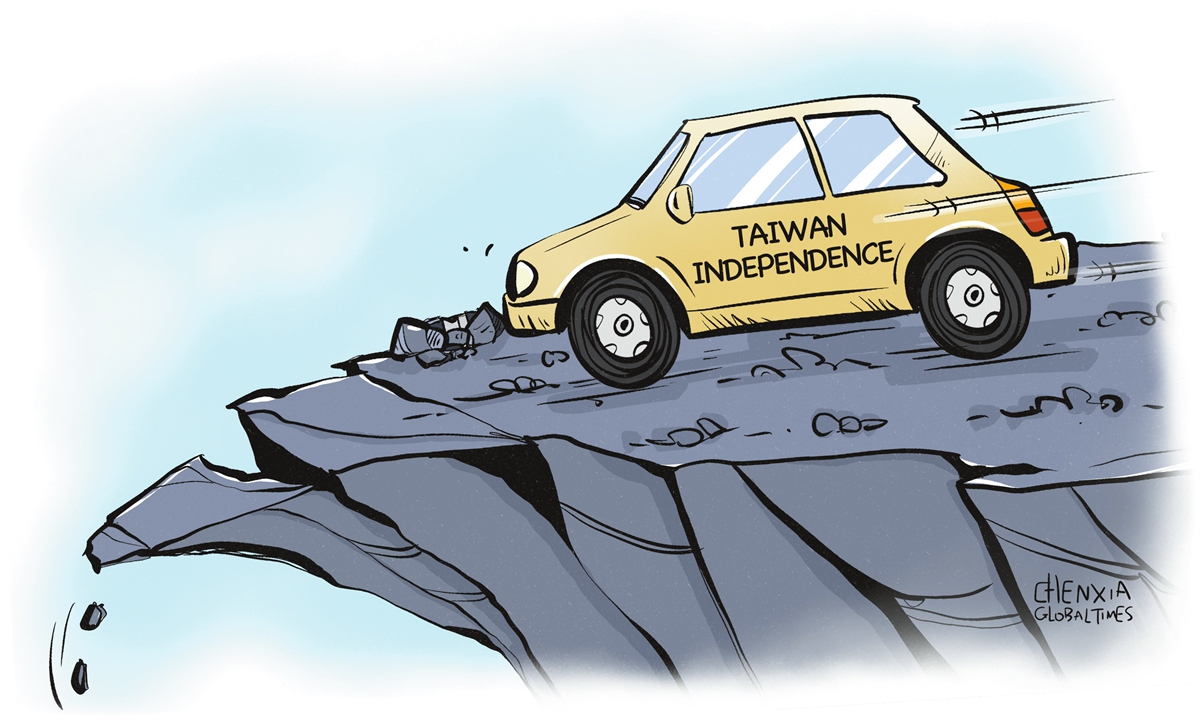
Illustration: Chen Xia/GT
Recent high-level interactions between China and the US have sent a significant signal: Both sides are emphasizing the need to stabilize relations, manage differences and avoid confrontation. As the world's two largest economies, China and the US have the capacity to transcend the Thucydides's Trap and forge a "constructive China-US relationship of strategic stability." This not only serves the fundamental interests of the peoples of both countries but also aligns with the international community's shared aspirations for peace, development and order.
History is never predestined, nor does competition among major powers inevitably lead to conflict. As China-US relations currently face a critical turning point, the "constructive relationship of strategic stability" provides strategic guidance for bilateral ties over the next three years and beyond. This will shape the geopolitical landscape of the Asia-Pacific region, including the Taiwan question.
The US and China moving toward "constructive strategic stability" is not merely an adjustment in bilateral relations; it signifies a shift in the mindset of international politics. If China-US relations stabilize, global industrial chains, supply chains, financial markets and regional security expectations will all improve accordingly; global issues such as climate change, public health, counterterrorism and the governance of artificial intelligence will also have a more realistic foundation for cooperation. This benefits not only China and the US, but also the people of the world.
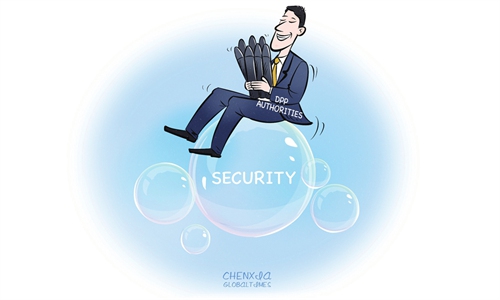
When the principal theme of China-US relations shifts toward cooperation first, controlled competition, manageable differences and achievable peace, the value of "Taiwan independence" in US strategic calculations will inevitably decline. To put it more bluntly, against the backdrop that both China and the US seek to prevent the situation in the Taiwan Straits from spiraling out of control and to avoid the spillover of regional conflicts, "Taiwan independence" is increasingly becoming a negative factor that undermines stability, creates risks and drives up costs. Any attempt to package "Taiwan independence" as a "security guarantee" or a "bargaining chip" will increasingly lack practical support under the new paradigm of major-power relations.
"Taiwan independence" has never represented the mainstream public sentiment in Taiwan. Taiwan society has its own aspirations for development, concerns for livelihood and expectations for security; it certainly does not wish to be pushed to the brink of danger. On the contrary, as the external environment evolves, a growing number of people are beginning to re-examine the following questions: What truly benefits the well-being of Taiwan residents? What can truly guarantee peace, development and stability? As the "Taiwan independence" separatist narrative peddled by the likes of Lai Ching-te continues to tie Taiwan to the chariot of confrontation, its divergence from the immediate interests of the Taiwan residents will become increasingly apparent, and it will be increasingly rejected by mainstream public opinion.
Following the China-US summit, people have begun to think more rationally about Taiwan's position, the US' priorities and the direction of cross-Straits relations. The so-called "legitimacy" that "Taiwan independence" forces have constructed in Taiwan society through deception is gradually being dismantled by reality. In contrast, a social mindset that seeks stability, avoids risks, opposes war and prioritizes people's livelihoods is steadily gaining strength. Against this backdrop, it is only natural that the sentiment of rejecting Lai Ching-te and "independence" has taken root and become a trend within Taiwan society.
In today's turbulent world, what the world needs most is neither a "new Cold War," nor a new bloc confrontation, let alone pushing regional hot spot issues closer to the brink of explosion. Building a "constructive China-US relationship of strategic stability" not only redefines the way major countries coexist, but also injects greater certainty and stability into the world. In this process, any "Taiwan independence" separatist agenda that goes against the tide of peace and stubbornly seeks to create division and confrontation will inevitably be eliminated by history and reality.
RELATED ARTICLES