Illustration: Liu Xiangya/GT
According to a recent report released by South Korean pollster Hankook Research, the average favorability rating of South Koreans toward China rose to 30.2 degrees, marking the highest level since April 2020.This pivotal shift in public sentiment is far more than a mere uptick in popular mood. It stems from South Korea's rejection of ideological prejudice and a return to the rational pursuit of national interests. It serves as a tangible reflection of the thaw in people‑to‑people exchanges and the deep‑seated economic ties between China and South Korea, while also mirroring the profound shift in South Korean public perceptions of China amid the reshaping of Northeast Asia's geopolitical landscape.
The core driver behind the rebound in South Korean public favorability toward China lies in pragmatic readjustments to Seoul's diplomatic stance. The previous Yoon Suk‑yeol administration pursued a diplomatic approach rooted in extreme values, prioritizing ideological confrontation over fundamental national interests. This not only dragged political mutual trust between China and South Korea to a record low, but also severely undermined cooperation in trade, tourism, culture and people-to-people exchanges.
Under the Yoon Suk‑yeol administration, South Korean society had faced tangible repercussions from its excessively hawkish approach toward China, ranging from disrupted commercial transactions and a sharp decline in cross-border tourist arrivals to stagnant industrial chain collaboration and surging living costs.
The Lee Jae-myung administration promptly recalibrated its diplomatic strategies, discarding confrontational mind-sets and steering China-South Korea ties back toward balanced and pragmatic engagement.
Evidently, resolute rationality at the leadership level has eased public anxieties over spiraling bilateral frictions, freeing popular sentiment from the grip of political confrontation and enabling South Koreans to reassess China rationally and objectively. This constitutes a fundamental prerequisite for the upturn in public opinion.
China and South Korea are geographically proximate and culturally similar, endowed with an innate foundation for amity. Yet, hampered by a host of intricate factors, direct people-to-people exchanges had long been suspended. South Koreans' perceptions of China were largely shaped by radical domestic rhetoric and Western disinformation, resulting in one-sided, negative stereotypes, with misunderstandings and prejudices taking deep root.
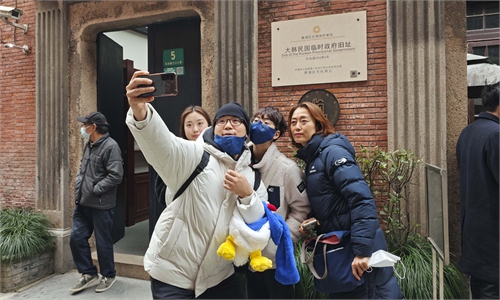
Today, cross-border weekend getaways have gained popularity among young South Koreans, alongside thriving bilateral tourism, study tours and business communications. Vibrant civilian interactions have translated directly into warmer public sentiment toward China. Such readjusted perceptions, grounded in firsthand experience, stand as the most powerful impetus behind the rebound in South Korean favorability toward China.
Meanwhile, the deeply intertwined practical economic interests between China and South Korea have laid a solid foundation for the upturn in public opinion.
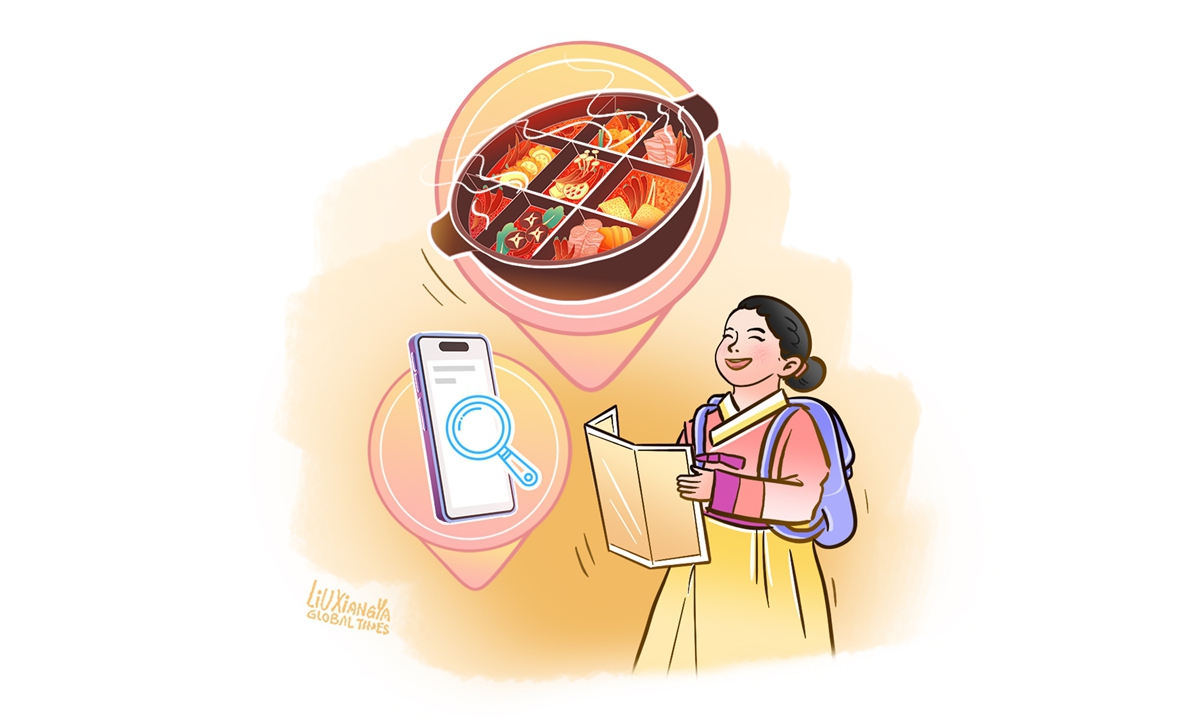
New energy vehicles have gained recognition in the South Korean market, while Chinese-style consumer goods, cuisine and digital services have become favorites among young South Koreans. Bilateral economic and trade cooperation is evolving toward win-win outcomes for both sides, prompting South Koreans to abandon the erroneous mind-set of confrontation with China and fully acknowledge that China is indispensable and that cooperation holds the key to the future. Such rational judgments, rooted in tangible interests, have partially replaced ideologically driven antagonism, serving as crucial backing for the shift in public sentiment.
Admittedly, although South Korean public favorability toward China has hit a six-year high, hurdles remain to sustain long-term improvement. Both sides ought to cherish this precious window of favorable public sentiment, further deepen people-to-people and cultural exchanges, consolidate economic and trade cooperation, properly manage differences and frictions, and curb incitement by extremist public opinion.
Sound China-South Korea relations as well as peace and stability in Northeast Asia have always relied on grassroots goodwill and consistent joint efforts to safeguard such progress.
The author is director and research fellow at the Institute of Northeast Asian Studies of the Liaoning Academy of Social Sciences. opinion@globaltimes.com.cn
RELATED ARTICLES