Häagen-Dazs business operations in Chinese mainland to be taken over by local investors: company
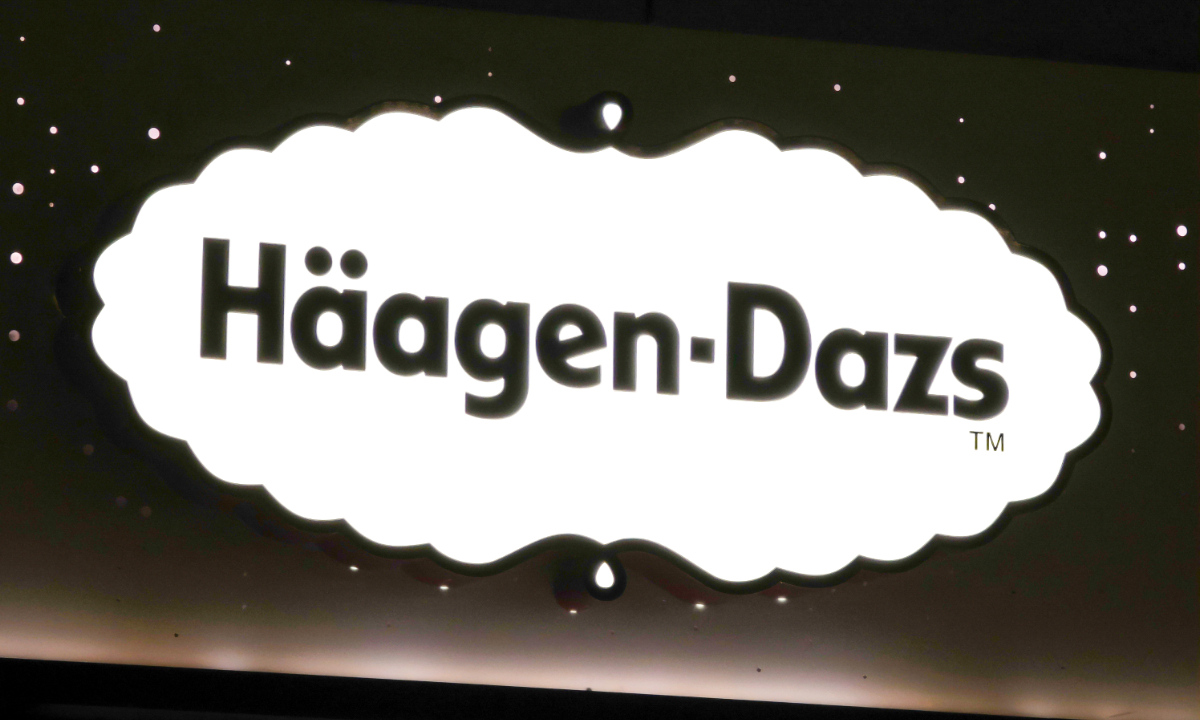
A Häagen-Dazs store is seen in Xi'an, Northwest China's Shaanxi Province, on May 30, 2026. Photo: VCG
An investment group that includes one of China's rising tea brands, Ningji Lemon Tea, will take over Häagen-Dazs stores in the Chinese mainland, marking the latest case of an internationally known food and beverage brand selling its Chinese mainland business to a local operator.
Industry analysts said that cooperating with local business partners to pursue win-win outcomes has increasingly become the preferred path for global food and beverage brands seeking growth in the Chinese mainland market.
General Mills, a US-based packaged food giant and owner of Häagen-Dazs, announced on Monday that it has entered into a definitive agreement to sell its Häagen-Dazs shops in the Chinese mainland to an investor group including Ningji, one of the fastest-growing tea brands in China with a network of more than 3,000 premium quick-service retail tea shops.
As part of the agreement, the buyer will receive an exclusive license from General Mills to use the Häagen-Dazs brand in ice cream shops and gifting business in the Chinese mainland, while General Mills will continue to own and operate the Häagen-Dazs retail and food service operations.
The company said that the transaction aligns with General Mills' development strategy and elevates the company's focus on its brands and channels that provide the strongest opportunities for profitable growth.
Publicly available information shows that Häagen-Dazs was founded in the US in 1960. The brand was acquired by Pillsbury in 1983, before becoming part of General Mills following the latter's acquisition of Pillsbury in 2001.
Industry data showed that Häagen-Dazs ranked third among China's limited-service ice cream restaurant brands by transaction value in 2025, behind domestic brand Mr. Wildman and US ice cream giant DQ.
The value of emerging domestic brands lies not only in channel resources, but also in their understanding of younger consumers, social media-driven marketing and localized supply chains, said Bian Yongzu, a financial expert and executive deputy editor-in-chief of Modernization of Management magazine. Rising confidence among Chinese consumers and entrepreneurs, particularly in consumption and cultural sectors, has accelerated the growth of domestic brands, he told the Global Times.
He noted that international legacy brands bring established brand assets and product expertise, while local players contribute operational efficiency and consumer insights, making such complementary partnerships an increasingly important path for foreign companies seeking new growth opportunities in China.
The case adds to a broader trend of established international brands reassessing their strategies in the Chinese mainland market, moving away from operating independently and accelerating localization efforts, said analysts.
In addition, localization decisions announced late last year by established overseas food and beverage brands have been rolled out intensively this year.
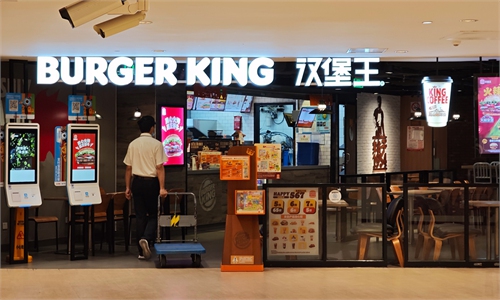
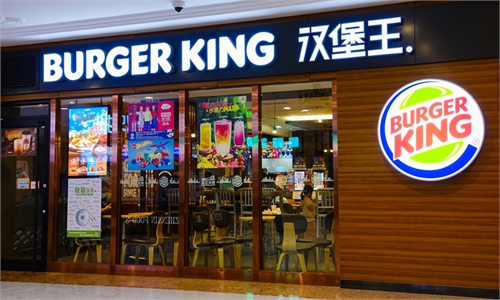
On February 2, the joint venture transaction between Burger King parent company Restaurant Brands International (RBI) and Chinese capital CPE was completed, according to RBI's website. Under the deal, CPE injected an initial $350 million into the Burger King China business and acquired an approximately 83 percent stake, while RBI retained a roughly 17 percent minority stake and board representation.
Starbucks Coffee Co on April 2 announced the closing of its previously announced joint venture with China-based capital Boyu Capital, noting the move marked a significant milestone in the company's long-term strategy to unlock sustainable growth in China.
Under the terms of the deal, funds managed by Boyu Capital hold a 60 percent stake in Starbucks China operations. The joint venture oversees about 8,000 company-operated coffeehouses, which will transition to a licensed operating model, with a shared long-term aspiration to grow to as many as 20,000 stores, the company said.
"International brands are adjusting their operating models in China by using capital restructuring and partnerships with local firms to improve operational efficiency and strengthen their ability to adapt to the Chinese market," according to Bian.
RELATED ARTICLES