Lai authorities' attempt to undermine cross-Straits exchanges will not succeed: Mainland spokesperson on Lai's claims on TikTok, RedNote
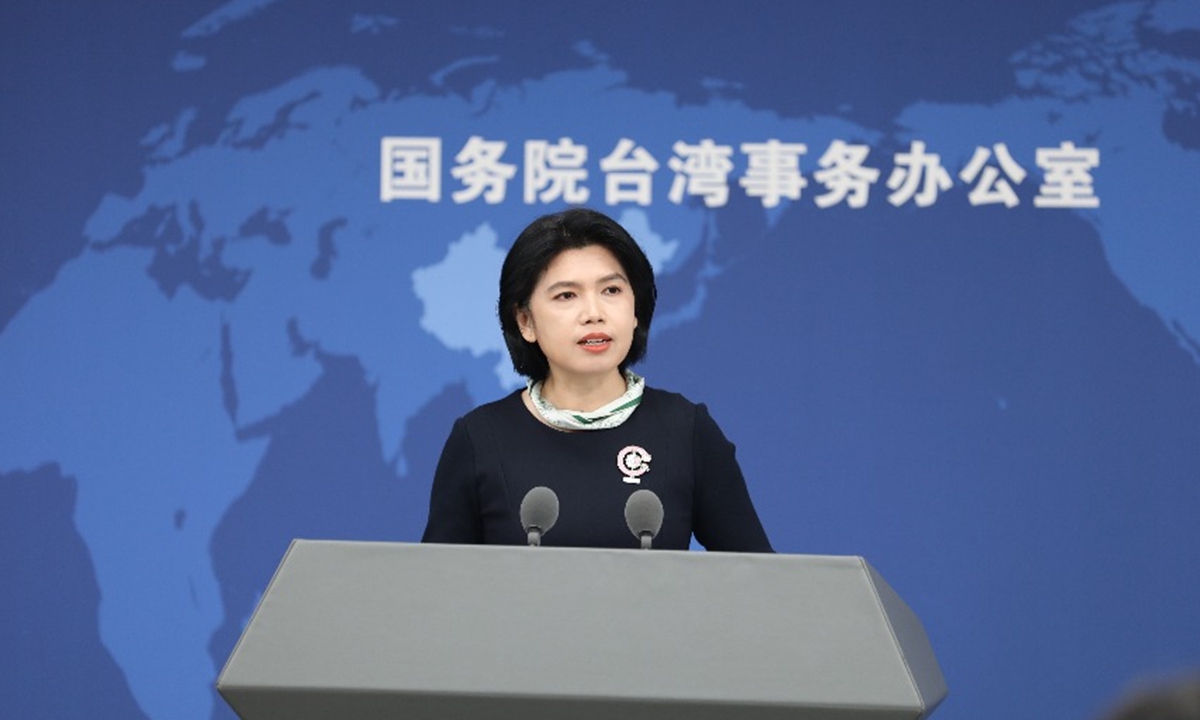
Zhu Fenglian Photo: Taiwan Affairs Office of the State Council
People on the mainland are not only good people to compatriots in Taiwan, but also their relatives and family members. Taiwan compatriots, especially young people, are increasingly using mainland social media platforms because they provide richer experiences of everyday life and more opportunities for free expression, said Zhu Fenglian, a spokesperson for the State Council Taiwan Affairs Office, said on Wednesday. She made the remarks when asked to comment on Taiwan regional leader Lai Ching-te's claim that TikTok and RedNote have become a security issue due to their influence on Taiwan's younger generation, and that Taiwan island could "lose its will to safeguard democracy over time" and come to view the mainland as "a good guy," as well as his instruction to the Taiwan regional education and cultural authorities to handle the issue properly.When they share food and scenic views, they receive enthusiastic responses such as "I really want to visit." When they post messages seeking family members, many netizens on the mainland actively respond and provide leads. When they seek to exchange ideas and learn, they can access a wide range of tutorials and notes, and even receive step-by-step remote guidance, the spokesperson said.
"These warm moments of interaction are instances of shared creation between netizens on both sides of the Taiwan Straits, a two-way engagement that vividly reflects the bond of 'one family across the Straits,'" Zhu added.
Mainland social media platforms help young people in Taiwan grow, develop, and pursue their aspirations. However, the Lai authorities have been repeatedly smearing these platforms and even intimidating and threatening Taiwan's youth, which only exposes their underlying insecurity and anxiety. No matter how the Lai authorities may deliberately attempt to undermine cross-Straits exchanges and integration, they will not succeed, Zhu noted.
Global Times
RELATED ARTICLES