China, EU should keep dialogue going, focus on real win-win areas: former Finnish PM
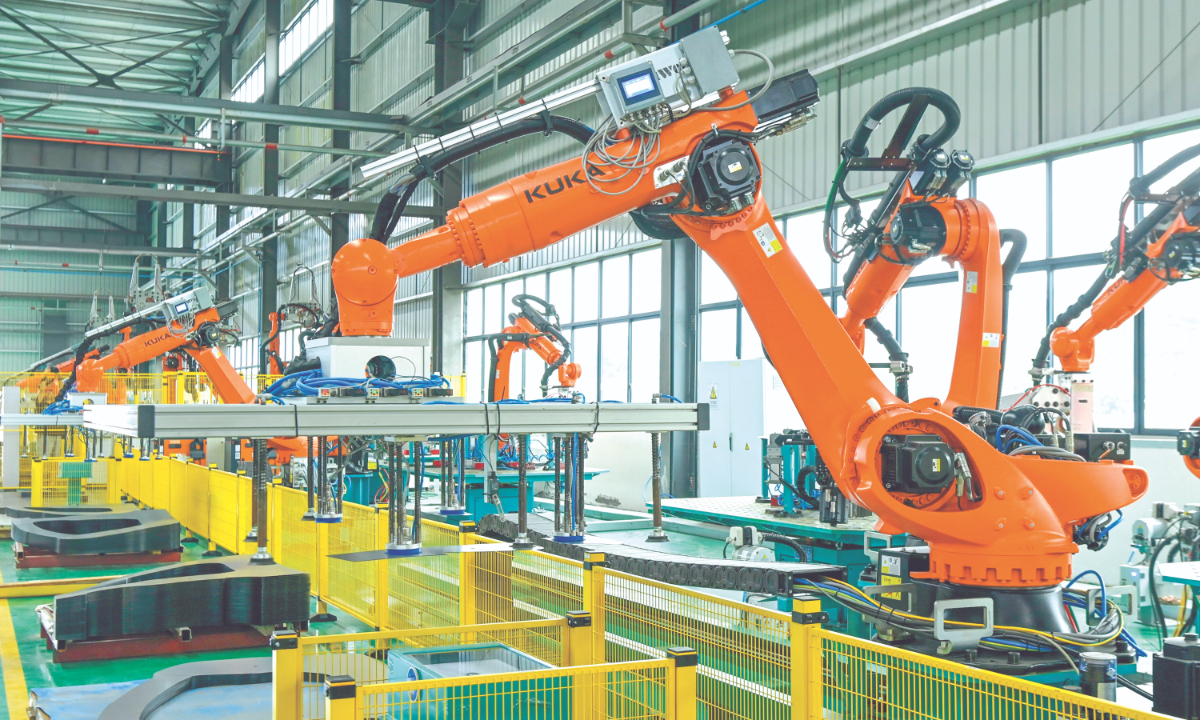
Robotic arms operate at an auto parts factory in Southwest China's Chongqing Municipality, on June 5, 2026. Photo: VCG
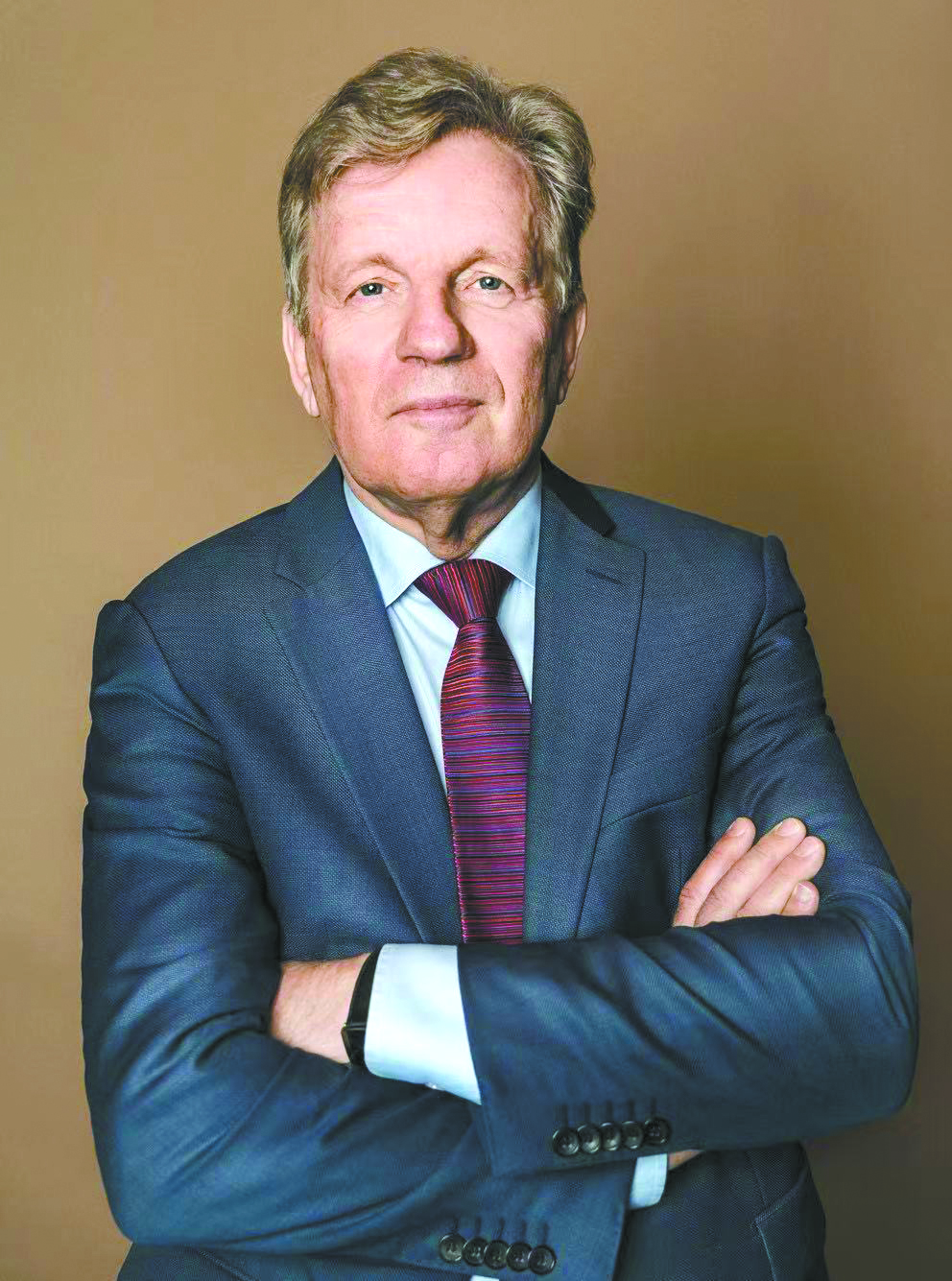
Esko Aho
Editor's Note:
This week's G7 summit and the upcoming European Council meeting come amid growing discussions in Europe over economic security, supply-chain resilience and global economic challenges, with China-related trade issues also drawing increasing attention in European policy debates.
Against this backdrop, former Finnish prime minister Esko Aho (Aho), chairman of the board at the China Office of Finnish Industries, spoke with the Global Times (GT) reporter Ma Tong in a video interview about China-EU economic and trade relations. Aho called on both sides to keep dialogue going and focus on real win-win areas where cooperation remains possible and necessary.
GT: From your long experience in politics and business, how would you assess the current state of China-EU economic and trade relations? What are the main forces shaping the relationship today?
Aho: I would start with the broader context. First, there are geopolitical tensions. The war in Ukraine and the conflict in the Middle East show that security challenges across the world are much greater than before. Second, there is rapid technological transformation. Artificial intelligence, in particular, is reshaping the global economic landscape.
Third, there are environmental challenges, including how to mitigate environmental risks. These challenges are having an impact on all countries, both economically and in terms of regulation. Fourth, population aging is another factor that is not discussed very often. This is happening in many parts of the world and will affect politics, economies and trade.
All these factors are reshaping the environment in which China and the European Union (EU) work together. They create challenges, but also opportunities. It is now necessary to identify real win-win areas and concentrate on those sectors.
GT: As China-related trade issues draw renewed attention in European policy debates, there has been fresh discussion in Europe about a so-called "China shock 2.0." How do you view this debate?
Aho: Europe has both internal and external challenges. Sometimes these factors are intertwined, and it is not always clear where the origin of the problem lies.
Internally, Europe's challenges are linked to its capacity to strengthen competitiveness, invest in science, technology and innovation, and build a better-functioning internal market. Europe has been successful in creating an internal market, but that market remains incomplete and weaknesses remain.
Externally, the world has become more complicated. Every country is putting more emphasis on national security and security interests. This makes it harder to maintain an equal, fair and common playing field for all. Europe is concerned about this, and it is also having an impact on China-Europe relations.
Meanwhile, many countries no longer believe that the common global system serves their interests. I think this is the wrong conclusion. It is important to keep multilateral global cooperation working and to believe that we can still find reasonable solutions in the future.
This is an area where both the EU and China have an interest: to ensure that there is a rules-based economic and political system in the world. Although there are challenges and risks, there are also opportunities.
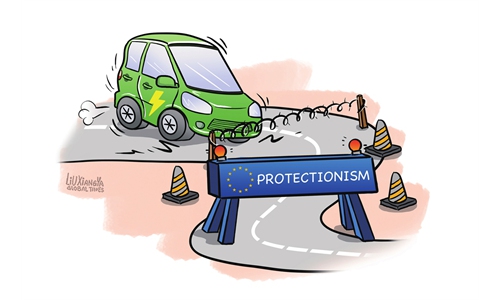
GT: The European Commission is reportedly weighing new industrial, cybersecurity and trade-defense measures that could affect China-EU economic ties. How do you see this trend, and what impact could these measures have?
Aho: I think this is part of a common global trend. Countries' strategic interests now play a much bigger role in politics than before. This trend has been visible in the US, and Europe has also recognized the need to follow a common path and pay more attention to competitiveness.
There is another relevant factor. Europe has learned lessons from COVID-19 and the war in Ukraine, which showed that open trade, free trade and interdependence remain important. But at the same time, it is very important to make sure that supply chains work, and that interdependence does not become excessive dependence on other countries.
The problem is where to draw the line between acceptable national interests and limits on global trade. China and Europe need to understand this from each other's perspective. We need dialogue to ensure that there is a level playing field and a common understanding of what the rules of the game will be.
GT: As China puts greater emphasis on innovation and high-quality development, where do you see the strongest potential for cooperation between Finland, Europe and China?
Aho: China has learned from European companies and technological development methods. But Europe has also learned from China. China is a very interesting market, and its methods of developing new technologies have offered lessons for Europeans.
It is also important to understand that in certain fields of technology, long-term plans matter. In China's economic system, the government plays an important role, while the market also plays a key role. It is a system that effectively combines market mechanisms with government coordination.
In Europe, this approach was not viewed very favorably before, but there is now a greater effort to adapt to closer collaboration between business and government.
GT: At this year's Boao Forum in Hainan, you spoke about the need for more predictability and common rules. In your view, how can China and Europe make the relationship more predictable?
Aho: Despite different opinions and disagreements, dialogue has to continue. It is important for China to understand why the EU is doing certain things, and for Europe to understand China's reasoning.
We need to distinguish between sectors where it will be difficult to work together and areas where we have shared interests. I believe there are many areas where cooperation can continue without feeling restricted.
GT: Looking ahead, what message would you give to European policymakers and business leaders as they think about China's role in Europe's economic future?
Aho: The challenges I mentioned at the beginning - environmental problems, security challenges, population aging, and technological and regulatory challenges - all of them are very difficult to solve at the national level. You cannot save the world in one single country, even in a big country.
That is why, in the fields of science, technology, innovation and industrial production, it is so important that we are able to share achievements and move forward together. Environmental protection is a good example. European and Chinese companies, as well as countries, have benefited from each other.
China has been very active in developing technologies. China has also learned from Europe, including regulatory methods used to protect the environment and technological skills. These innovations have been applied both in China and in Europe.
So, my message is this: the problems exist and cannot be easily solved. But we can manage them if we concentrate on the areas where opportunities exist.
RELATED ARTICLES