Passing the torch across 105 years: Museum curator honors CPC pioneers by bringing revolutionaries closer to today's youth
Editor's note
As the Communist Party of China marks its 105th founding anniversary, the Global Times launches a special series focusing on young Party members who are "honorer," "striver" and "torchbearer" that inherit ideals, shoulder responsibilities and carry forward the spirit of the Party in their own ways, showing how faith continues to pass from generation to generation.
This installment tells the story of "honorer" Li Xiaoling, researcher at the Memorial Hall of the First National Congress of the CPC in Shanghai, who pays tribute to revolutionary pioneers in new ways.
These heartfelt words came from Li Xiaoling, 28-year-old museum researcher at the Display and Research Department from the Memorial Hall of the First National Congress of the Communist Party of China (CPC) in Shanghai. A coincidence is that Li joined the memorial hall in 2021, the centenary of the CPC's founding. Also, Li is roughly the similar age as the delegates were in 1921, when they gathered for the historic Congress held 105 years ago.
As the CPC marks its 105th founding anniversary, Li shared with the Global Times how the venue honors this meaningful occasion with brand-new creative approaches and by reflecting on the young trailblazers of the Party's earliest days.
Renewed ways to commemorate
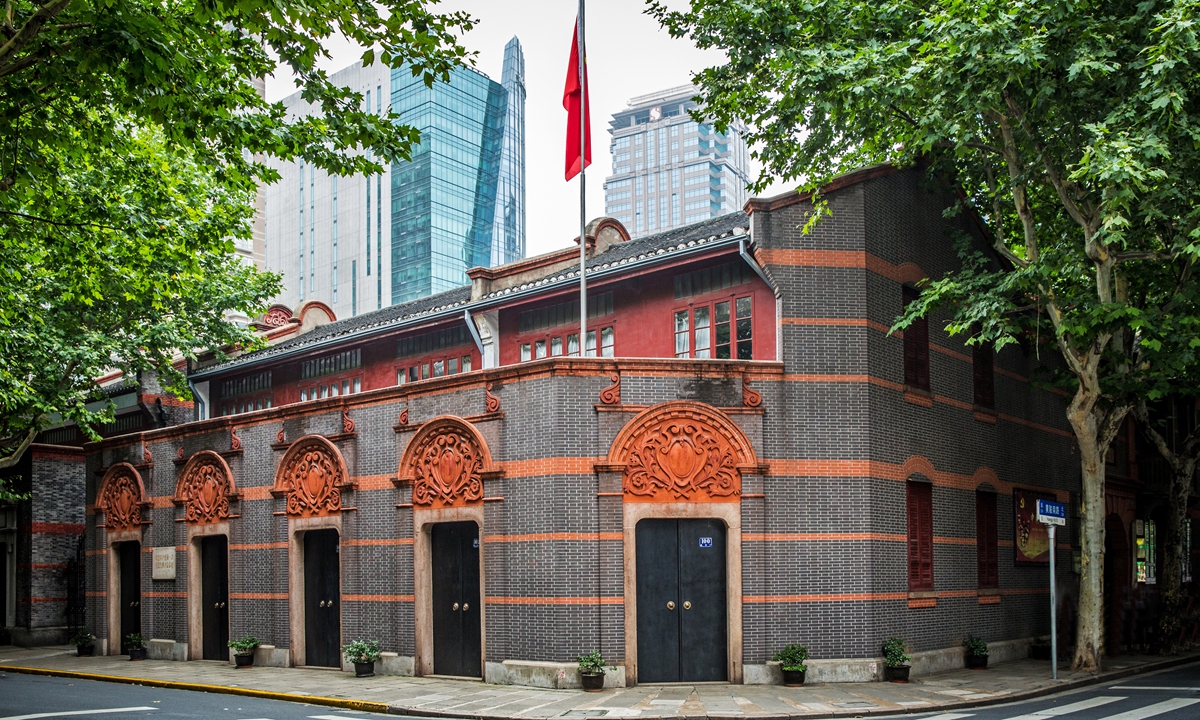
The memorial hall where Li works is located in Huangpu district of Shanghai and includes the site of the Congress, the Oath Hall, and a newly built exhibition hall. The exhibition "Epoch-making Beginnings" is divided into seven sections: prologue, struggle for national survival, public awakening and rising interest in Marxism, mushrooming of early party groups, the emergence and rise of the Communist Party of China, forging ahead for a glorious course, and epilogue, according to the memorial hall's official website. A variety of display methods are used to comprehensively demonstrate the birth of the CPC.
As the anniversary approaches, the memorial hall has launched a host of special commemorative events. Li authored four artifact-themed stories tailored for young audiences. She rendered profound, weighty history in old documents, books, newspapers and family letters into vivid, engaging narratives that could resonate with teenagers and strike a chord with them.
In a feature recounting the story behind the "Song of the Guerrilla," a classic piece born during the Chinese People's War of Resistance Against Japanese Aggression, Li crafted a narrative that traces composer He Luting's journey: from hearing firsthand tales of the Eighth Route Army's heroic exploits, to writing the stirring melody, and finally premiering the song. Instead of delving into sweeping historical backdrops, the story zeroed in solely on the track's origin, paired with illustrated comics.
Young audiences often struggle with distant, complex historical theories, which may break their focus. Focusing on vivid figures and sensory details brings history to life and fosters emotional resonance. Told in teen-friendly language, these stories strike a chord with youngsters and inspire active reflection, making red culture truly vibrant, Li told the Global Times.
Li has curated a number of special exhibitions in recent years, including one marking the centenary of the CPC-led anti-imperialist May 30th Movement. The display integrated interactive tech tools such as AI-powered colorization of old black-and-white photos and red song generators, delivering an immersive viewing experience that seamlessly blends digital innovation with Party history, the Xinhua News Agency reported.
"To pay genuine homage to history, we must first stay grounded and dedicate ourselves to our posts. When sharing history, we ought to step into the audience's shoes, turning dense academic jargon into relatable, accessible language that breathes lasting life into the past," Li said.
Countless hours spent creating engaging historical content and designing innovative exhibits over the past few years have granted Li a deeper understanding of the young revolutionaries of a century past.
"Some people of our time might see those early revolutionaries merely as names or abstract symbols in textbooks. Yet through close study of the memorial hall's collections and heartfelt dialogue with these 'peers from a century ago,' I see far more than empty icons. I see young men and women that are passionate, fearless and down-to-earth," Li told the Global Times.
What moves her most is that they never stopped at empty slogans. They translated their ideals into real action. "They chose an arduous path fraught with bloodshed and sacrifice. Their commitment drove them to immerse themselves among ordinary people: they rooted themselves in listening closely to workers and peasants, and stirred their consciousness to fight for survival of the nation, and a better future," Li said.
The youthful trailblazers Li portrayed were none other than those delegates, averaging just 28, who finished their meeting aboard a vessel on Nanhu Lake in Jiaxing, East China's Zhejiang Province. It was at the vessel, in early August 1921, that the First National Congress of the CPC concluded with the adoption of the Party's first program and resolutions, marking the birth of a political party that would go on to transform China into a modern country.
In Li's eyes, the young revolutionaries active in the Party's earliest days possessed extraordinary traits. They remained true to their ideals, kept their feet firmly on the ground and avoided empty talks, rolling up their sleeves to join and mobilize poor ordinary people. Driven by a spirit of self-sacrifice, many abandoned their stable, comfortable lives for the revolutionary movement, aiming not to improve their own fates but to bring new life to a nation mired in misery.
"Today, we no longer live in gunfire and smoke, yet the torch lit by spirit of those peers from a century ago still burns bright. As a cultural and Party history worker, I feel deeply honored to use my words and voice to pass down their cheerful inspiring tales to the young people of today. To thoroughly study the great legacies, share them with wider audiences, and stay steadfast on my own post - this is the best way to honor them," Li said.
As the Communist Party of China marks its 105th founding anniversary, the Global Times launches a special series focusing on young Party members who are "honorer," "striver" and "torchbearer" that inherit ideals, shoulder responsibilities and carry forward the spirit of the Party in their own ways, showing how faith continues to pass from generation to generation.
This installment tells the story of "honorer" Li Xiaoling, researcher at the Memorial Hall of the First National Congress of the CPC in Shanghai, who pays tribute to revolutionary pioneers in new ways.
The Memorial Hall of the First National Congress of the Communist Party of China in Shanghai Photo: VCG
"When I immerse myself in museum collections and carry out historical research, talking to revolutionary pioneers who are my peers across a century, I no longer see them as vague historical icons on paper. Instead, I see a group of passionate, fearless and down-to-earth young people. Dedicated to Party history research, I believe the best commemoration we can offer these trailblazers from a century ago is to share their inspiring and fearless stories with young people of today."These heartfelt words came from Li Xiaoling, 28-year-old museum researcher at the Display and Research Department from the Memorial Hall of the First National Congress of the Communist Party of China (CPC) in Shanghai. A coincidence is that Li joined the memorial hall in 2021, the centenary of the CPC's founding. Also, Li is roughly the similar age as the delegates were in 1921, when they gathered for the historic Congress held 105 years ago.
As the CPC marks its 105th founding anniversary, Li shared with the Global Times how the venue honors this meaningful occasion with brand-new creative approaches and by reflecting on the young trailblazers of the Party's earliest days.
Renewed ways to commemorate
The memorial hall where Li works is located in Huangpu district of Shanghai and includes the site of the Congress, the Oath Hall, and a newly built exhibition hall. The exhibition "Epoch-making Beginnings" is divided into seven sections: prologue, struggle for national survival, public awakening and rising interest in Marxism, mushrooming of early party groups, the emergence and rise of the Communist Party of China, forging ahead for a glorious course, and epilogue, according to the memorial hall's official website. A variety of display methods are used to comprehensively demonstrate the birth of the CPC.
As the anniversary approaches, the memorial hall has launched a host of special commemorative events. Li authored four artifact-themed stories tailored for young audiences. She rendered profound, weighty history in old documents, books, newspapers and family letters into vivid, engaging narratives that could resonate with teenagers and strike a chord with them.
In a feature recounting the story behind the "Song of the Guerrilla," a classic piece born during the Chinese People's War of Resistance Against Japanese Aggression, Li crafted a narrative that traces composer He Luting's journey: from hearing firsthand tales of the Eighth Route Army's heroic exploits, to writing the stirring melody, and finally premiering the song. Instead of delving into sweeping historical backdrops, the story zeroed in solely on the track's origin, paired with illustrated comics.
Young audiences often struggle with distant, complex historical theories, which may break their focus. Focusing on vivid figures and sensory details brings history to life and fosters emotional resonance. Told in teen-friendly language, these stories strike a chord with youngsters and inspire active reflection, making red culture truly vibrant, Li told the Global Times.
Li has curated a number of special exhibitions in recent years, including one marking the centenary of the CPC-led anti-imperialist May 30th Movement. The display integrated interactive tech tools such as AI-powered colorization of old black-and-white photos and red song generators, delivering an immersive viewing experience that seamlessly blends digital innovation with Party history, the Xinhua News Agency reported.
"To pay genuine homage to history, we must first stay grounded and dedicate ourselves to our posts. When sharing history, we ought to step into the audience's shoes, turning dense academic jargon into relatable, accessible language that breathes lasting life into the past," Li said.
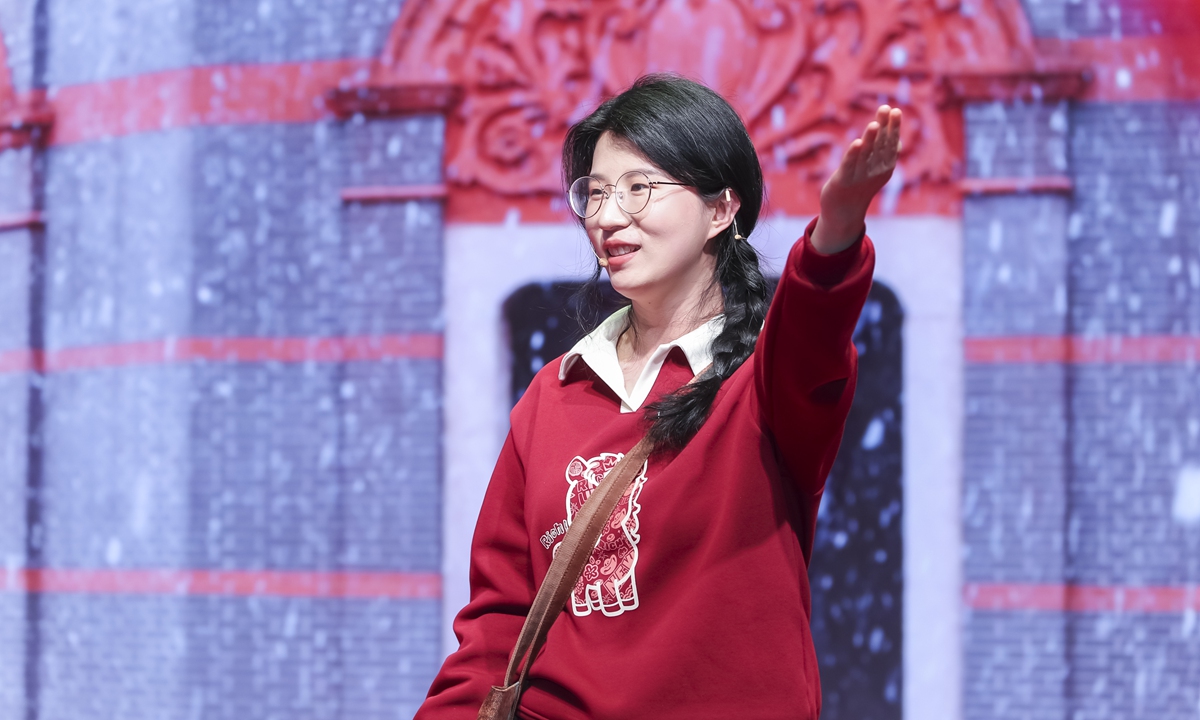
Li Xiaoling, a museum researcher from the Memorial Hall of the First National Congress of the CPC Photo: Courtesy of Li Xiaoling
Honoring spirit of the youngCountless hours spent creating engaging historical content and designing innovative exhibits over the past few years have granted Li a deeper understanding of the young revolutionaries of a century past.
"Some people of our time might see those early revolutionaries merely as names or abstract symbols in textbooks. Yet through close study of the memorial hall's collections and heartfelt dialogue with these 'peers from a century ago,' I see far more than empty icons. I see young men and women that are passionate, fearless and down-to-earth," Li told the Global Times.
What moves her most is that they never stopped at empty slogans. They translated their ideals into real action. "They chose an arduous path fraught with bloodshed and sacrifice. Their commitment drove them to immerse themselves among ordinary people: they rooted themselves in listening closely to workers and peasants, and stirred their consciousness to fight for survival of the nation, and a better future," Li said.
The youthful trailblazers Li portrayed were none other than those delegates, averaging just 28, who finished their meeting aboard a vessel on Nanhu Lake in Jiaxing, East China's Zhejiang Province. It was at the vessel, in early August 1921, that the First National Congress of the CPC concluded with the adoption of the Party's first program and resolutions, marking the birth of a political party that would go on to transform China into a modern country.
In Li's eyes, the young revolutionaries active in the Party's earliest days possessed extraordinary traits. They remained true to their ideals, kept their feet firmly on the ground and avoided empty talks, rolling up their sleeves to join and mobilize poor ordinary people. Driven by a spirit of self-sacrifice, many abandoned their stable, comfortable lives for the revolutionary movement, aiming not to improve their own fates but to bring new life to a nation mired in misery.
"Today, we no longer live in gunfire and smoke, yet the torch lit by spirit of those peers from a century ago still burns bright. As a cultural and Party history worker, I feel deeply honored to use my words and voice to pass down their cheerful inspiring tales to the young people of today. To thoroughly study the great legacies, share them with wider audiences, and stay steadfast on my own post - this is the best way to honor them," Li said.
RELATED ARTICLES