From the grove to the sky: Chinese team develops drone made of bamboo-based composites
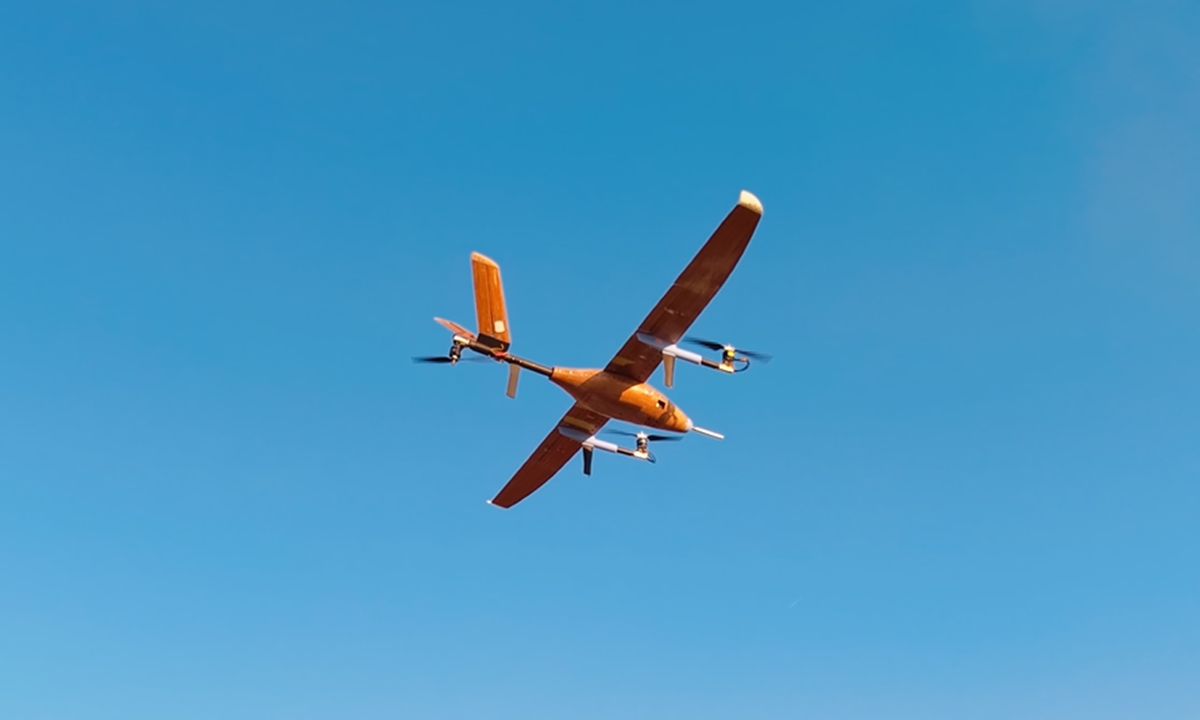
A drone made of bamboo-based composite materials is seen in flight. Photo: official WeChat account of Long Bamboo
A Chinese team has developed a drone using bamboo-based composite materials after making a breakthrough in a technique that allows bamboo to be flattened while preserving its tough outer layer. The drone has completed multiple test flights, China Central Television (CCTV) News reported.
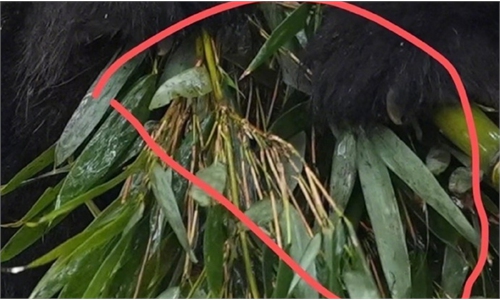
Long Bamboo, a company based in East China's Fujian Province, developed the technique that preserves the bamboo's tough outer layer and allows different parts with different densities of the material to be used according to their properties, improving its overall performance.
In the past, the outer skin of bamboo was often treated as leftover material and eventually burned into low-value bamboo charcoal.
According to a company release in February, bamboo-based composites now make up more than 25 percent of the entire drone, while its fuselage skin is made entirely from the company's own high-performance bamboo composite material.
The bamboo-based material also offers a major cost advantage, costing only about one-quarter to one-tenth as much as aviation-grade carbon fiber. After the drone is retired, the material can naturally degrade, allowing it to effectively "come from nature and return to nature."
The team spent four years building data models, upgrading equipment and refining the material. The resulting drone has a wingspan of more than 2.5 meters but weighs only about 7 kilograms, and has already completed multiple test flights, according to CCTV News.
Bamboo was traditionally used mainly in products such as tableware and furniture. Now, however, the material is finding its way into a wider range of industrial applications. Bamboo fiber is being used in automobile interiors, while bamboo-based materials are also being explored as possible substitutes for plastics, glass fiber and carbon fiber in some applications.
China has the world's largest bamboo resource base, with about 7.56 million hectares of bamboo forests nationwide. The country also ranks among the world leaders in bamboo resources, bamboo cultivation technologies and the development and utilization of bamboo materials, per CCTV News.
Global Times
RELATED ARTICLES