Japanese right-wingers gang up on Singapore's 'Unit 731' documentary but get brutally shot down – well deserved
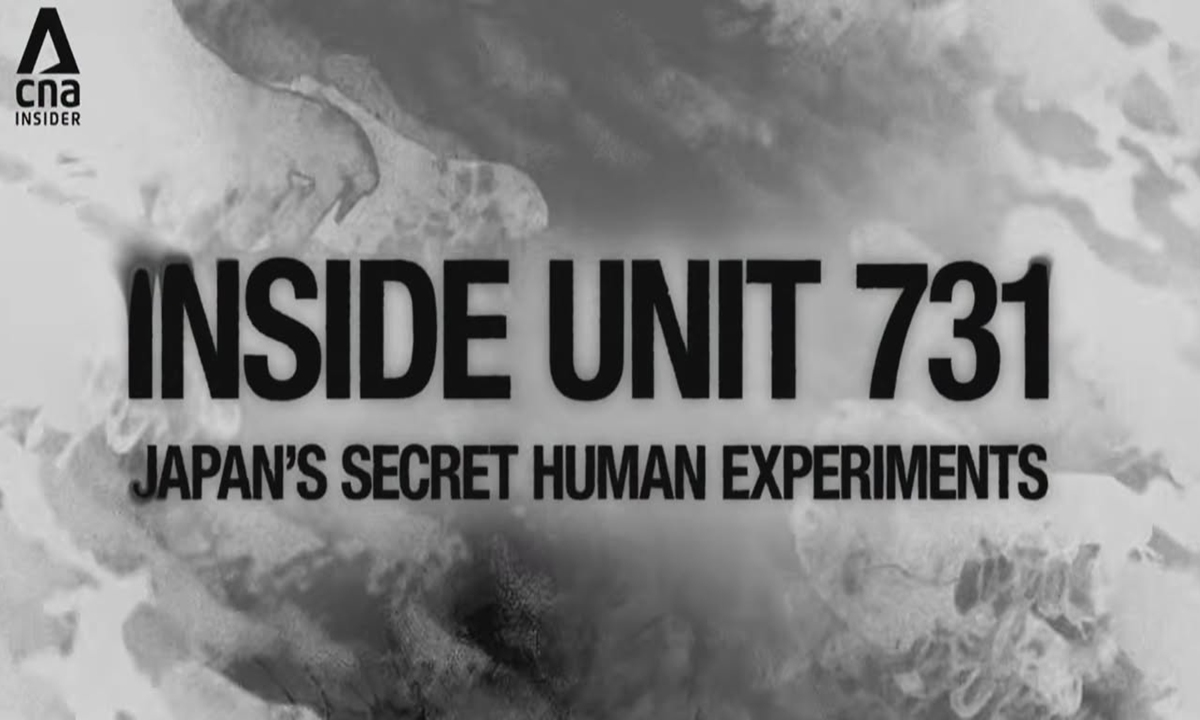
Photo: screenshot of the CNA documentary Inside Unit 731: Japan's Secret Human Experiments
The documentary Inside Unit 731: Japan's Secret Human Experiments, produced and broadcast by Singapore's mainstream English-language media outlet Channel NewsAsia (CNA), has garnered more than one million views on overseas video platforms. In the video's comment section, netizens from across the world have engaged in heated debates with Japanese right-wing netizens.Many netizens from Southeast Asian countries were deeply moved by the gruesome truths revealed in the documentary and outraged by the brazen behavior of Japanese right-wing netizens. They came forward to share their personal stories, recounting the ordeals their ancestors endured under the Japanese military's brutal oppression.
Their testimonies effectively further spread awareness of the Japanese wartime crimes beyond the scope of the documentary itself - the Japanese right wing got exactly what they asked for. This also proves once again that there are still far too few documentaries like this on the international stage.
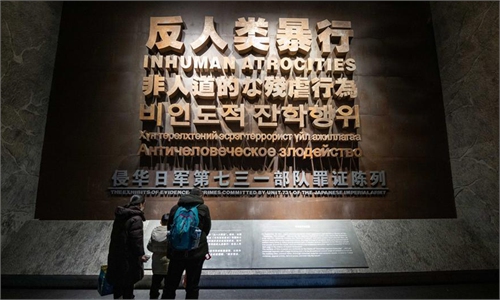
Singapore was a victim of Japanese military aggression and occupation. Back then, the Japanese military set up Unit 9420 in Singapore and used it as a base to set up branches in many parts of Southeast Asia, where they conducted illegal human experiments and germ‑warfare operations.
Singaporean media and scholars have systematically presented these facts, narrating them in English from the perspective of victimized nations in Southeast Asia. This has shifted the Japanese military's numerous crimes of aggression - which some Westerners perceive as a so-called "bilateral issue between China and Japan" - into a broader and more authentic context, thereby restoring this shared trauma of Asia and the wider international community.
Mainstream Western media has paid far more attention to Nazi medical experiments in Germany than to "Unit 731," and the Japanese military's crimes against humanity have long been dismissed in Western-dominated narratives as "things that often happen in war."
After the documentary aired, the vast majority of netizens from other countries expressed gratitude for its truthful exposure of Japanese militarism's crimes and hoped that major companies like Netflix would produce more documentaries of this nature. Other netizens fiercely criticized Japanese right-wingers who defend "Unit 731," pointing out that what is even worse than the Japanese government's refusal to apologize is the complete lack among remorse by these Japanese, who cyberbully and abuse former Imperial Japanese soldiers who have come forward to express remorse, while flocking to the notorious Yasukuni Shrine and venerating war criminals as "heroes."
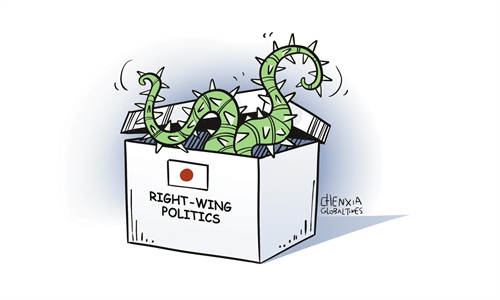
Unsurprisingly, such documentaries have been largely "silenced" within Japan. In July, Japan's public broadcaster NHK aired a special documentary titled A Secret Unit: The Silent Postwar Era, which exposed the crimes of the Japanese Imperial Army's Unit 731 during the invasion of China. However, even though it was scheduled for a late-night time slot with limited reach, it still faced fierce attacks from right-wing groups after its broadcast - a clear indication of just how poisoned Japanese society has become.
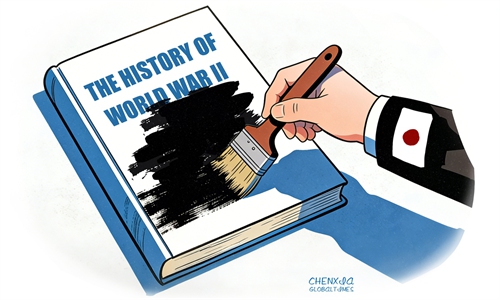
It is precisely for this reason that there can never be too many documentaries unmasking Unit 731 like the Singapore-produced Inside Unit 731: Japan's Secret Human Experiments. Once again, the fig‑leaf shielding Japanese right‑wing forces has been torn away. A solid international body of evidence has completely shattered their lies.
RELATED ARTICLES