‘No refrigerators in Beijing’ myth collapse shows ‘Taiwan independence’ propaganda losing ground
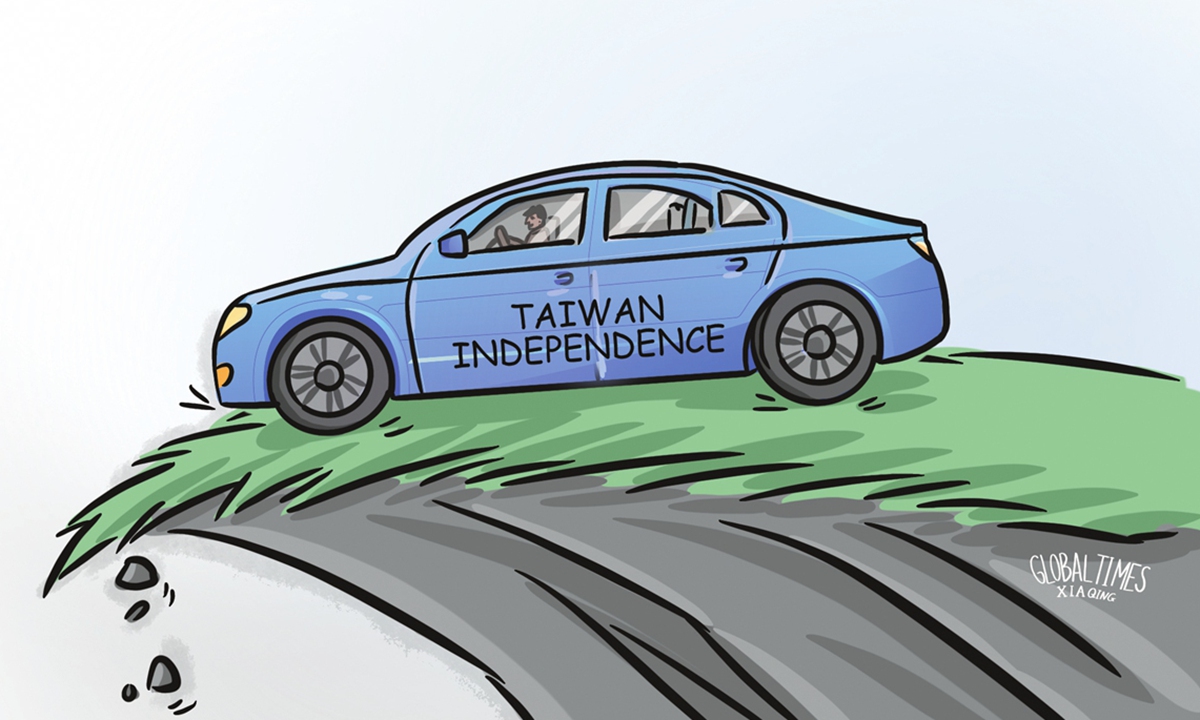
Illustration: Xia Qing/GT
Liao Mei-ran, a "fortune teller" on the island of Taiwan, recently made the absurd claim that "people in Beijing don't have refrigerators" on a pro-independence political talk show. After being mocked online as "refrigerator sister," accounts linked to Liao rushed to manage the backlash on social media, claiming that she was merely sharing "her personal experience from a visit to Beijing more than a decade ago" and urging people not to "politicize" her remarks.
Refrigerators had already become common in Beijing decades ago. The attempt to explain away the comment failed to restore Liao's credibility and instead turned into yet another major embarrassment for "Taiwan independence" activists.
Whether Beijing has refrigerators is hardly a question worth debating. The episode took place on a program widely regarded as part of Taiwan's pro-independence media ecosystem and one that has repeatedly spread rumors and misleading claims about the Chinese mainland.
Over the years, a series of sensational and irrational claims that have stirred cross-Straits controversy - such as the claim that Taiwan's "Sky Bow" missile system had an interception rate of "210 percent," that the mainland's lead in mobile payments was due to its "lack of humanity," that Guangzhou had no Wi-Fi, or that toilets in Kunshan City, East China's Jiangsu Province, "probably did not even have doors" - all came from this rumor factory.
The platform has continued operating largely because it serves the political needs of "Taiwan independence" forces, led by the Democratic Progressive Party (DPP), which have provided an environment of support and encouragement for such narratives.
As Taiwan's United Daily News has pointed out, these rumors are sustained by a network consisting largely of pro-independence camp politicians, affiliated commentators, and their supporters. In essence, it is "a brainwashing project built with rather crude techniques."
Liao's desperate attempt at damage control after facing public backlash only proves that this tactic is losing its effectiveness. Not only did ordinary Taiwan netizens mock her for the absurd remarks, but even some hardcore "Taiwan independence" supporters distanced themselves from her.
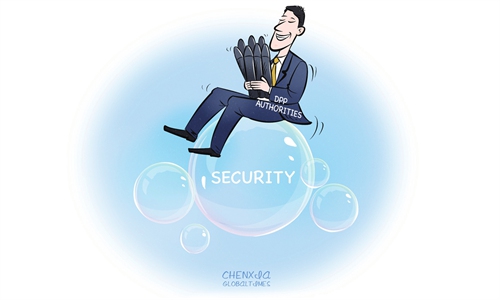
The incident may have dealt a heavy blow to Liao personally, but the bigger setback was suffered by the DPP. For years, in an effort to maintain an "information bubble," the DPP authorities have tried every possible means to restrict access to information about the mainland - from seeking to ban platforms such as Xiaohongshu (Rednote) to targeting products associated with the Chinese mainland.
What they truly fear is that Taiwan residents will see the mainland's real development for themselves. The more outrageous the rumors they manufacture become, the more they reveal their own lack of arguments and growing desperation.
From myths such as "people on the mainland can't afford tea eggs" and "high-speed trains on the mainland don't have seatbacks" and now the "no refrigerators in Beijing" claim, such irrational remarks aimed at smearing the Chinese mainland for attention are finding less and less support on the island of Taiwan. The fundamental reason is simple: The mainland's rapid development has made the "information bubble" carefully constructed by "Taiwan independence" forces increasingly difficult to sustain.
The reunification of the motherland is an inevitable historical trend, and more and more Taiwan compatriots will emerge from the fog of misinformation and gain a clear understanding of Taiwan's future.
RELATED ARTICLES