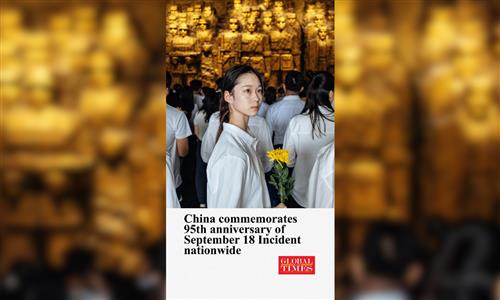
China urges Japan to face up to history of aggression, warns against militarism’s revival on 95th anniversary of September 18 Incident
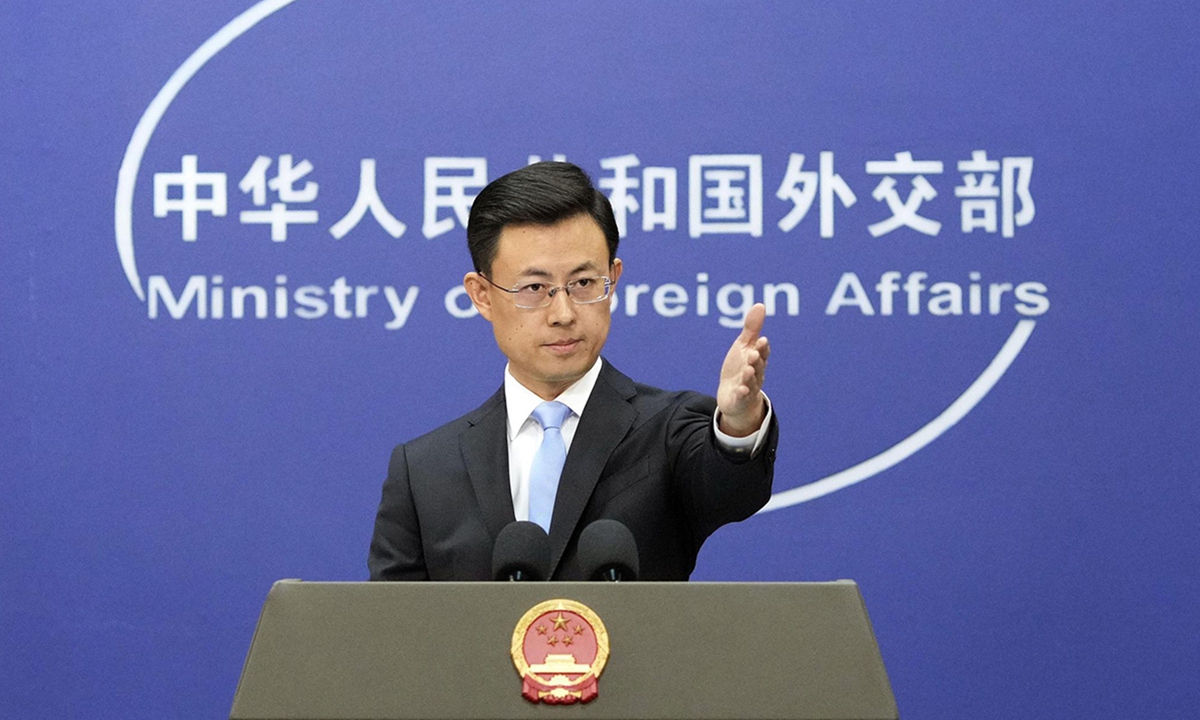
Chinese Foreign Ministry spokesperson Guo Jiakun
To deny acts of aggression is to challenge established historical conclusions and undermine the post-war international order, China's Foreign Ministry spokesperson Guo Jiakun said on Friday, which marked the 95th anniversary of the September 18 Incident.
We urge Japan to face up to and deeply reflect on its history of aggression, and win the trust of its Asian neighbors and the international community through concrete actions, Guo said.
On September 18, 1931, the Japanese Kwantung Army bombed a section of the South Manchuria Railway near Liutiao Lake on the northern outskirts of Shenyang, Northeast China. The Japanese blamed Chinese troops for the act and used it as a pretext to attack Beidaying, where the Chinese Northeast Army was garrisoned, and then bombarded Shenyang.
The incident marked the beginning of imperial Japan's occupation of Northeast China, as well as China's 14-year resistance against Japanese aggression and the World Anti-Fascist War.
"Countries in the region, including China, must remain highly vigilant. We must never allow the resurgence of Japanese militarism, never let historical tragedies repeat themselves, jointly safeguard the fruits of victory in World War II, and collectively uphold the bottom line of peace," said Guo.
Guo said that Japanese militarism brazenly launched a war of aggression against China 95 years ago, and the Chinese people rose in resistance, opening the Eastern Theater of the World Anti-Fascist War.
The incident was a war conspiracy long concealed by the Japanese government, and the vast majority of Japanese people only learned the truth during the Tokyo Trial, he said. As this year marks the 80th anniversary of the opening of the Tokyo Trial, Japan's growing tendency toward historical denialism is concerning, and its dangers are self-evident, Guo said.
To this day, Japanese textbooks still downplay the nature of Japan's aggression, while right-wing forces even use artificial intelligence to systematically filter prewar archives and Tokyo Trial records in an attempt to whitewash war guilt and entrench a distorted view of history, Guo said.
Such denialism is not only a serious regression in historical understanding, but also an organized, politically motivated push to further mislead the Japanese public and clear the way for Japan to shed postwar constraints and pursue "remilitarization," he said.
Global Times
RELATED ARTICLES