China-India cooperation Illustration: Xia Qing/GT
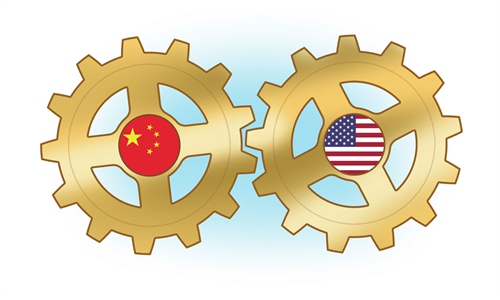
Recently, the world's attention turned to the venue of the 18th BRICS Summit, where China and India, two neighboring powers, once again found themselves at the intersection of bilateral relations and global responsibilities. Following the meetings in Kazan and Tianjin, the meeting between the two countries' leaders in New Delhi came at a critical juncture amid improving ties and a changing world. Chinese President Xi Jinping put forward four observations on promoting the steady and sustained development of China-India relations, covering strategic perception, pathways for cooperation, management of differences and multilateral coordination, which has provided a comprehensive and clear framework for the two largest developing countries to overcome historical constraints and pursue development.
China and India today are no longer what they were decades ago. The two countries have entered, almost in parallel, a crucial stage of development and revitalization. China is advancing toward high-quality development, while India is pushing ahead with industrial upgrading through its "Make in India" initiative. Both economies have positioned themselves among the forefront of the global landscape. At such a historic juncture, continuing to regard or define the other as a rival would, in essence, mean voluntarily narrowing one's own space for development and wasting valuable strategic resources on unnecessary mutual friction. China and India are important neighbors and both core members of the Global South. Their development is deeply embedded in each other's geopolitical and economic environment. The stable growth of either country will objectively create a broader regional market and a more secure surrounding environment for the other.
During their latest meeting, the two leaders reached an important consensus that "China and India should be partners," pointing the way forward for bilateral relations. Viewing each other as partners rather than rivals, and seeing the other's development as an opportunity rather than a threat, is a clear-eyed strategic judgment based on the two countries' decades of development experience, their current needs and their long-term interests. Behind it lies the shared aspiration of the two peoples for peace, stability and a better life.
Turning this understanding into reality requires strong cooperation. The recent improvement in China-India relations has brought crucial changes such as the reopening of channels of exchange that had once been suspended. The resumption of direct flights means that people from the two countries can once again travel directly between their cities without transiting through a third country, restoring smoother people-to-people exchanges between the two ancient civilizations. Developments in trade and economic relations have been even more significant. Bilateral trade has repeatedly reached new highs above $150 billion. China's machinery and electrical equipment, new-energy components and pharmaceutical intermediates continue to enter the Indian market, providing important support for the upgrading of India's manufacturing sector. At the same time, India's specialty agricultural products and information technology services are finding new opportunities in the Chinese market.
Furthermore, China and India are exploring a more mature way of coexisting - one that prevents partial differences from defining the entirety of their bilateral relationship and ensures that border disputes do not disrupt the overall momentum of cooperation. Decades of experience have demonstrated that when both sides focus their primary efforts on managing differences and refining communication mechanisms, the peace and tranquility of the border region gain a fundamental safeguard. In recent years, a series of institutional arrangements - ranging from the commander-level meetings and consensuses reached by Special Representatives on the boundary question to the establishment of new military hotlines and expert groups - have been put in place. These measures are shifting interactions in the border areas from "crisis response" to normalized "peace management."
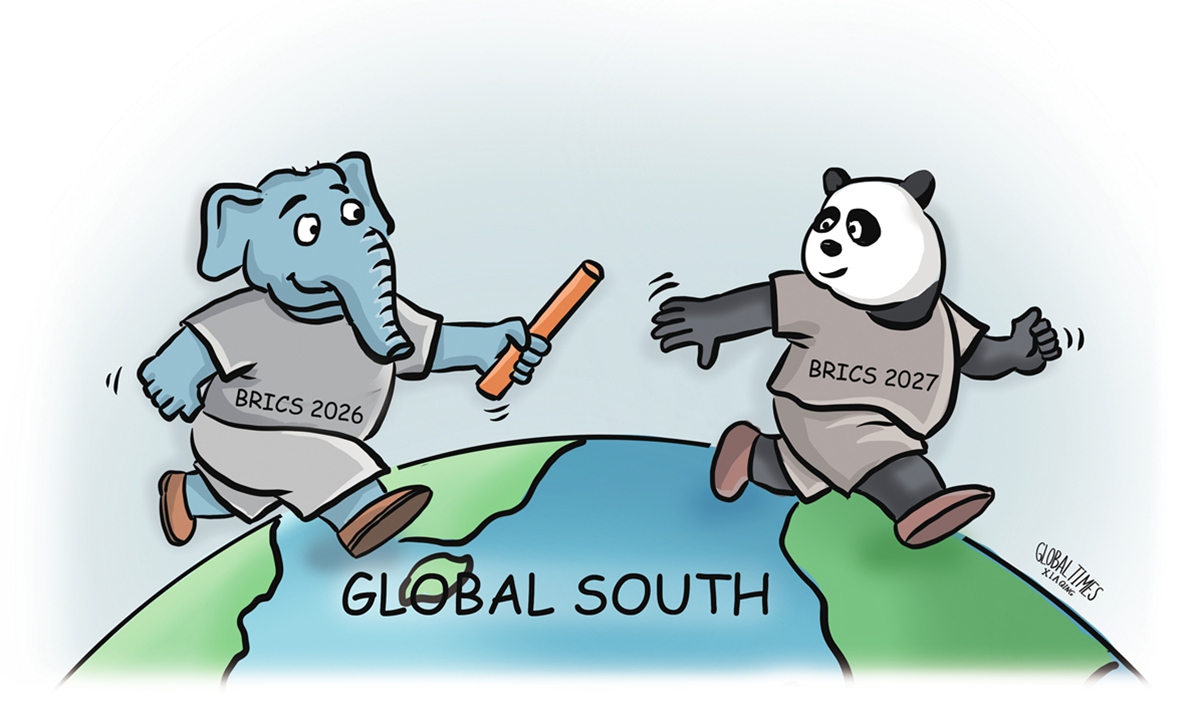
The significance of China-India relations transcends the bilateral scope. In today's world, hegemonism and unilateralism are on the rise, putting unprecedented pressure on the development space of Global South countries. As the two largest countries in the Global South, the unity and cooperation of China and India is a powerful counterbalance to the unfair international order. Following the New Delhi BRICS summit, China will assume presidency of BRICS in 2027, providing a favorable collaborative window historically granted to the two countries.
The experience of the past few decades has demonstrated that as long as both sides firmly uphold the strategic perception of being "partners rather than rivals," prioritize development as the greatest common denominator of their relationship, handle differences with political wisdom, and solidify the foundation through pragmatic cooperation, the two nations can forge a brand-new path of peaceful coexistence and shared prosperity for neighboring emerging powers. The value of this path extends far beyond the bilateral scope; it sets a model for the world.
The author is director of the Research Department at Tsinghua University's National Strategy Institute. The article was first published in EastMojo.com, a digital Indian news media platform. opinion@globaltimes.com.cn
RELATED ARTICLES