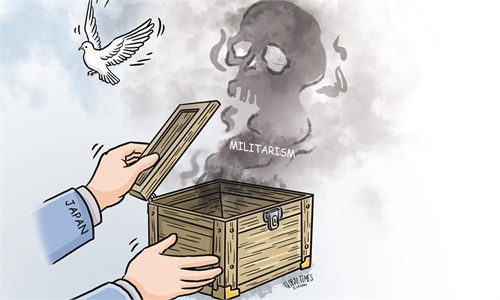
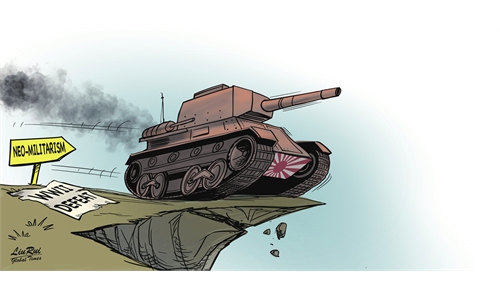
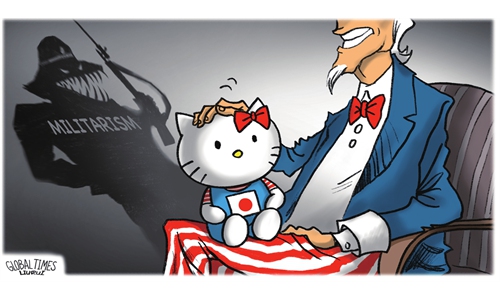
With around 130 new ammunition depots planned, is Japan heading for a ‘return to the prewar era’?
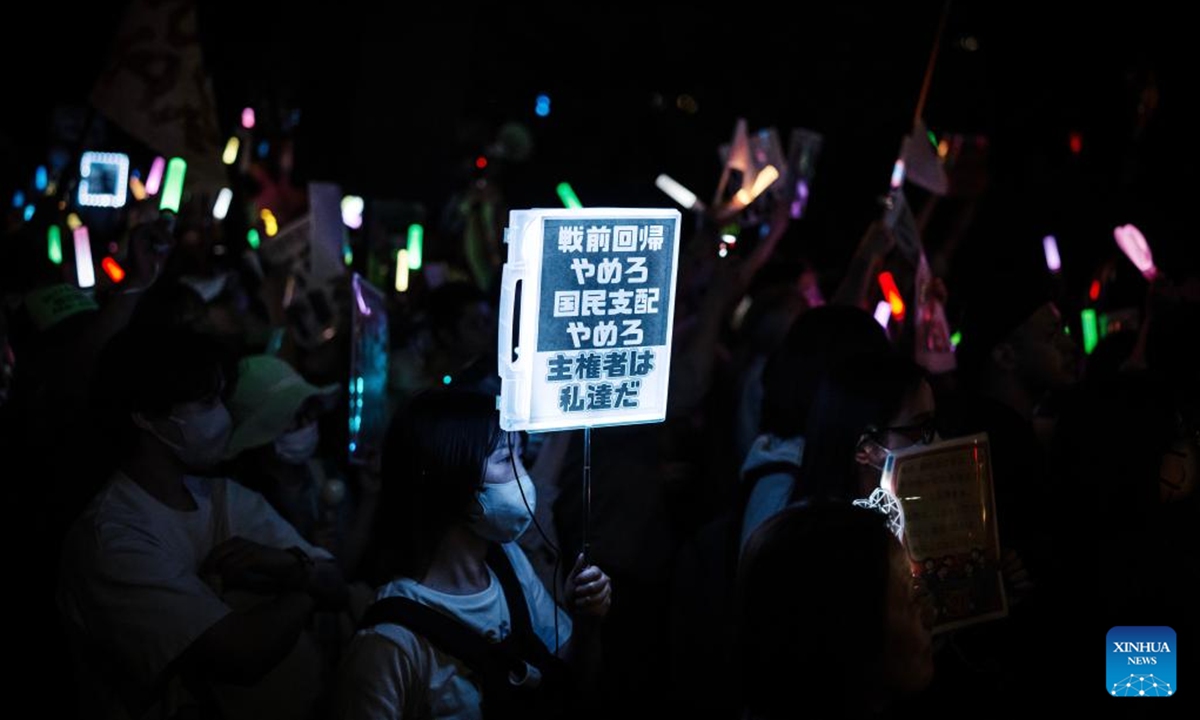
A woman holding a sign attends a protest rally in front of the National Diet Building in Tokyo, Japan, May 29, 2026. Around 10,000 people gathered in front of Japan's National Diet Building in Tokyo on Friday evening for an anti-war rally, protesting what they described as a series of dangerous policy moves pursued by the government of Prime Minister Sanae Takaichi. (Xinhua/Jia Haocheng)
Japan's plans for a large-scale expansion of ammunition depots have come to light. According to a recent report by the Nikkei, Japan Ministry of Defense plans to construct around 130 additional ammunition depots by roughly 2032, on top of the existing stock of some 1,400 depots. Sites have already been selected for 65 of these depots, with construction scheduled to begin in fiscal year 2027. Notably, breaking with past practices, the project will adopt standardized designs to shorten construction timelines, with the aim of putting the facilities into service as soon as possible.Japan's explanation for building over 100 new ammunition depots in one go is to "strengthen sustained combat capabilities" in order to "withstand enemy attacks over the long term." This raises the question: Why would a country that has long touted its "exclusively defense-oriented policy" stockpile such a massive amount of ammunition? Against whom does it intend to wage "sustained combat"? And who is it preparing to "defend against"?
The answer speaks for itself. The 65 selected sites for these ammunition depots are concentrated in Hokkaido, Kyoto, Miyazaki, Kagoshima and Okinawa - namely the northern and southwestern reaches of the Japanese archipelago. Military observers have concluded that the northern locations face Russia's Far East, while the southwestern locations are directly linked to Japan's military ambitions to intervene in the Taiwan Straits.
In recent years, Japan has continuously deployed anti-ship missiles, air defense missiles and electronic warfare units across the southwestern islands, including Okinawa, and has converted infrastructure such as Naha Airport and Ishigaki Port into dual-use military and civilian facilities. Now, it intends to stockpile ammunition in these areas as well. This goes far beyond the scope of "exclusively defense" and constitutes a clear offensive posture.
In fact, these ammunition depots are merely the tip of the iceberg in Japan's "remilitarization." As an editorial in the Tokyo Shimbun pointed out in August: Since Sanae Takaichi took office, many of the policies she has spearheaded have shown a clear tendency to "return to the prewar era."
Whether it is accelerating discussions on revising the "three security documents," lifting the ban on exports of lethal weapons, increasing defense spending or establishing a "Joint Operations Command" and strengthening the national intelligence system, these various moves bear a striking resemblance to pre-World War II Japan.
The ammunition depot is not an isolated project. What warrants vigilance is not only the Takaichi administration's signs of military expansion and war preparations, but also its comprehensive shift to the right in areas such as institutional structure, diplomacy, security and historical perception. This dangerous impulse to "return to the prewar era" is driving the Japanese government to gradually break free from the constraints of the postwar pacifist constitution, dragging the entire nation onto the path of becoming a "war-capable state."
History's judgment is not yet over. The peoples of Asia will never allow Japanese militarism to resurface, nor will they permit the tragedies of history to be reenacted. The Japanese side should take the international community's concerns seriously and not stray further down the wrong path.
RELATED ARTICLES