Japan's reported outreach push at APEC while refusing to correct mistakes shows insincerity amid Taiwan-related row: expert

APEC promotional banners hang from lampposts along a major road in Shenzhen, South China's Guangdong Province, on November 10, 2026. Photo: VCG
Japanese Prime Minister Sanae Takaichi's prospects of holding formal talks with the Chinese leader during the upcoming APEC leaders' meeting in Shenzhen remain uncertain, as Kyodo News reported Tuesday, citing multiple sources familiar with China-Japan relations, that efforts to arrange such a meeting had not achieved progress. The report linked the difficulties to tensions over Takaichi's erroneous remarks on a "Taiwan contingency" in the Japanese Diet in November of 2025.
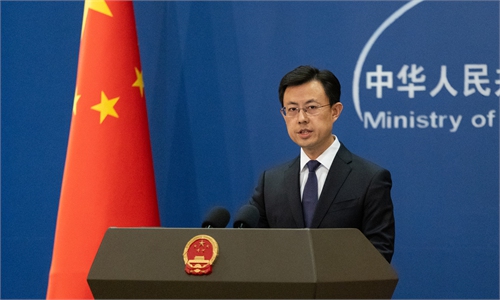
Chinese Foreign Ministry spokesperson Guo Jiakun on Wednesday addressed a related inquiry. As the host of APEC2026, China is actively fulfilling its responsibilities as host and stands ready to work with all parties to ensure the success of the APEC China Year, Guo said when asked whether Chinese and Japanese leaders would meet on the sidelines of next week's APEC meetings. Guo added that China has made its position on China-Japan relations clear on multiple occasions.
A directors' meeting of the Rules and Administration Committee of Japan's House of Representatives on Tuesday approved Takaichi's overseas travel schedule, according to Jiji Press. The report said that Takaichi would visit the Philippines and China from November 16 to 19, attending ASEAN-related summits in the Philippines and the APEC leaders' meeting in China.
Kyodo reported that the Japanese government would continue seeking a formal meeting until the last minute, but a handshake or brief encounter between the two leaders during APEC was seen as a more realistic possibility. The report was based on unnamed sources, and the Global Times could not independently verify the claims made by the sources cited in the report.
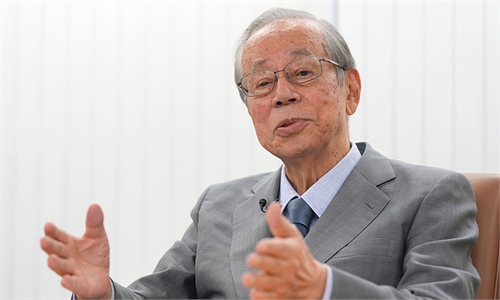
Lian Degui, director of the Center for Japanese Studies at Shanghai International Studies University, told the Global Times on Wednesday that it was unrealistic to expect a formal meeting between the two leaders, at a time when China-Japan relations are at a low point because of Takaichi's erroneous remarks a year ago, given that the Japanese side remains unwilling to correct its mistakes.
Lian noted that it was both arrogant and lacking in self-respect for Japan to expect a warm reception while showing disrespect toward China.
Earlier, Bloomberg reported Monday, citing people familiar with the matter, that Japanese officials had sought assurances from China that Takaichi would receive the same treatment as other world leaders at APEC, including at least a customary handshake. The sources also said Tokyo would protest any unusual arrangements during the meeting.
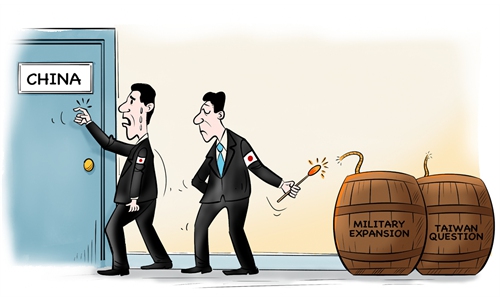
Lian said Japan's concerns about Takaichi's treatment even before her arrival in China reveal the Japanese side's guilty conscience and contradictory attitude: It is unwilling to correct its mistakes but wants to avoid being snubbed. This also suggests that Japan is seeking to achieve its diplomatic objectives without meeting the prerequisites for improving bilateral relations, the expert said, suggesting a lack of sincerity.
Takaichi said Friday that China was an important neighbor and that, despite challenges in bilateral relations, the two countries had built up ties over many years. She claimed Japan would comprehensively advance its strategic relationship of mutual benefit with China, according to Fuji News Network. Her remarks came ahead of the first anniversary of her erroneous remarks related to China's Taiwan region during a session of the Diet in November last year, which have severely undermined China-Japan relations since.
Lian further noted that while Japan emphasizes its willingness to engage in dialogue with China, it avoids addressing the need to correct its own mistakes as a prerequisite for such dialogue, attempting to sidestep the issue in an irresponsible manner. Such a continued refusal to reflect on its own actions not only shows disrespect toward others but also damages Japan's own international image. Japan should engage with other countries in good faith and take concrete steps to correct its mistakes, the expert said.
RELATED ARTICLES