Historic China-Russia-US summit delivers a heavy blow to ‘Taiwan independence’ forces
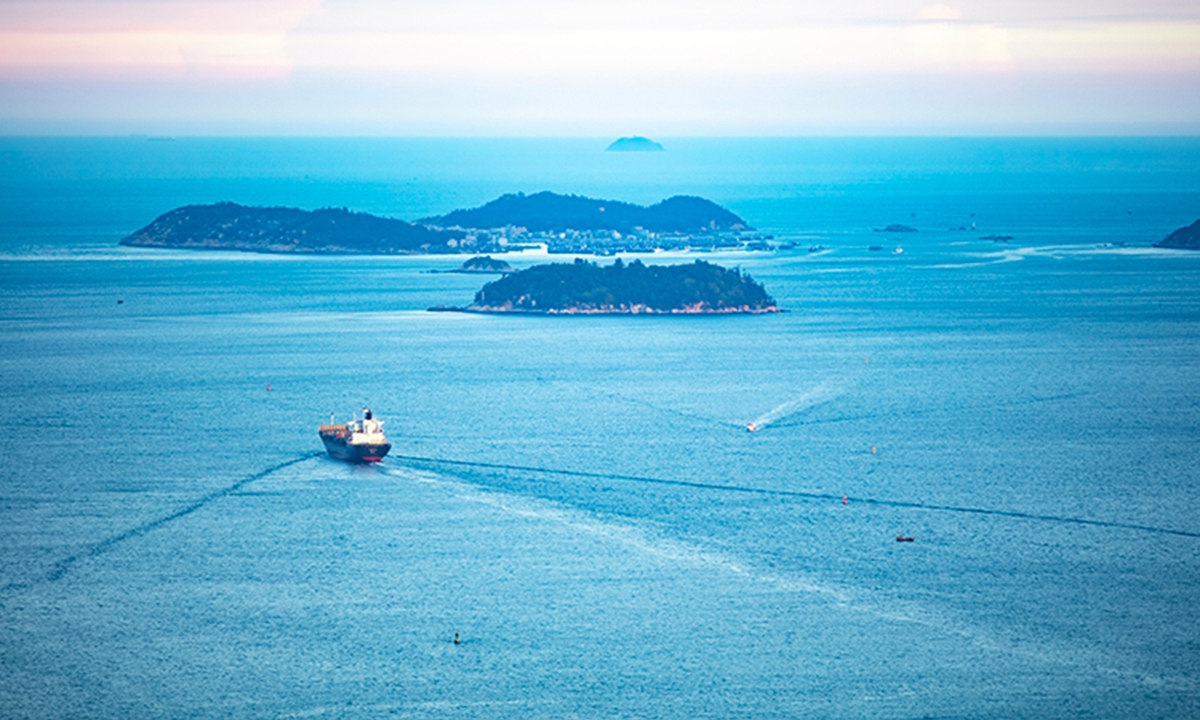
A view of the Taiwan Straits is seen from Xiamen port, in East China's Fujian Province. Photo: IC
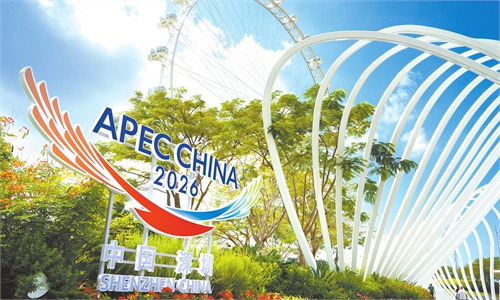
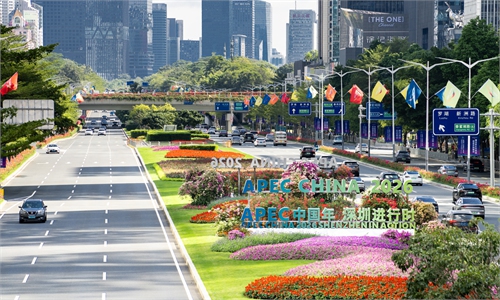
Chinese President Xi Jinping, Russian President Vladimir Putin and US President Donald Trump held a summit in Shenzhen, South China's Guangdong Province on Thursday. Both the Russian and US leaders expressed their appreciation to China for hosting the historic summit. The three heads of state had an in-depth exchange of views on the current international situation and committed to maintaining strategic stability and international security. China particularly underscored the importance of "not challenging the red lines of one another." On the same day, during his bilateral meeting with President Xi, President Trump explicitly reiterated the US position of not supporting "Taiwan independence." All these important signals, taken together, deliver a heavy blow to "Taiwan independence" separatist forces on the island.
The Taiwan question is at the very core of China's core interests. It is the first red line that must not be crossed in any country's relations with China. For a long time, "Taiwan independence" separatist forces have repeatedly tested the limits of danger because they have clung to the illusion that they can exploit tensions between major powers, seeking to profit from the rivalry among them. But with the leaders of China, Russia and the US sharing a common understanding on safeguarding world peace and reaching a series of important consensuses on strategic stability and international security, the logic on which these separatists have long relied - that they can "exploit divisions among major powers" - is being fundamentally undermined. The geopolitical cracks they have hoped to exploit are steadily closing.
Containing "Taiwan independence" separatist forces has become a matter of shared understanding and common interests among major powers. For the US, allowing "Taiwan independence" forces to cross red lines would mean facing the risk of a military confrontation that could spiral out of control at any moment. For Russia, upholding the post-World War II international order and opposing "Taiwan independence" in any form have long been consistent positions. For China, eradicating the "Taiwan independence" scourge is an inevitable requirement for achieving the complete reunification of the country. For major powers such as China, Russia and the US, a Taiwan Straits crisis deliberately provoked by "Taiwan independence" separatist forces serves none of their fundamental interests. In other words, any attempt to seek narrow political gains by fomenting division and provoking conflict will be seen by major powers alike as a direct threat to strategic stability.
As consensus among major powers continues to strengthen, China has both the capability and the resolve to steadily squeeze the space of "Taiwan independence" forces through a comprehensive range of political, economic, military and legal measures, until they are no longer capable of taking action. When "Taiwan independence" that once was seen as a card by certain external forces becomes a hot potato or even a liability that undermines stable relations among major powers, it will only be a matter of time before "Taiwan independence" is discarded like a worn-out shoe. The encirclement of "Taiwan independence" separatist forces will only tighten. What awaits them is a reckoning and the condemnation of history.
RELATED ARTICLES