Xiamen Airlines to buy 50 Boeing jets at substantial discount as planemaker rebuilds China business
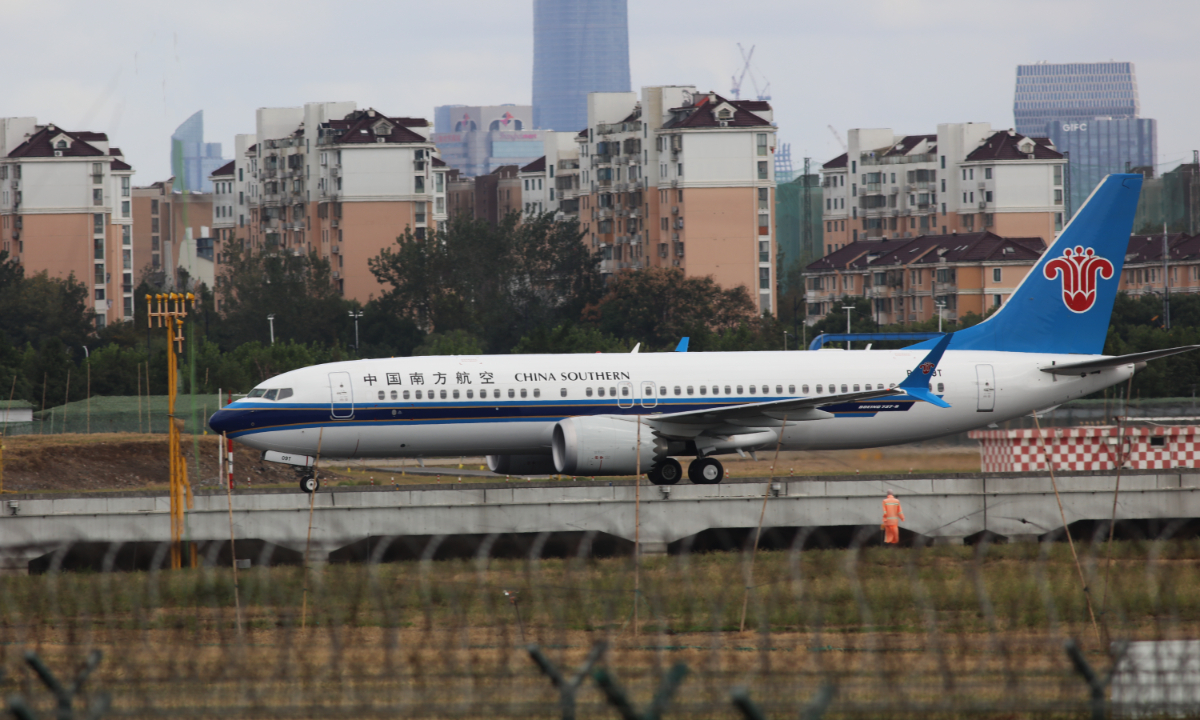
A Boeing 737 MAX 8 operated by China Southern Airlines taxis after landing at Shanghai Hongqiao International Airport on October 22, 2026. Photo: VCG
Xiamen Airlines, a subsidiary of China Southern Airlines, has agreed to purchase 50 Boeing 737 MAX 8 passenger jets with a combined list price of approximately $7.4 billion, according to a stock exchange filing. The deal is widely reported to be Boeing's largest aircraft order from a Chinese carrier in nearly a decade.
The deal came as Boeing seeks to rebuild its China business after years of limited new orders, while the country's expanding air travel market continues to generate demand for commercial aircraft.
China Southern Airlines said in the filing that Xiamen Airlines, in which it holds a 55 percent stake, signed the purchase agreement with Boeing on Tuesday, with the 50 aircraft scheduled for delivery in batches from 2031 to 2034.
The purchase price was determined through fair negotiations between the two parties in accordance with general commercial and industry practices. Boeing offered Xiamen Airlines substantial discounts, bringing the actual purchase price below the stated list price, which covers both airframes and engines, according to the filing.
The purchase will help Xiamen Airlines capitalize on the opportunities presented by its relocation to Xiamen Xiang'an International Airport, improve its route network and optimize its fleet structure, China Southern Airlines said, adding that the transaction will strengthen both airlines' core competitiveness and capacity for sustainable development.
The transaction remains subject to approval by relevant Chinese authorities and consideration by the company's shareholders, according to the filing.
Reuters linked the purchase to an aircraft trade arrangement announced following the meeting between the Chinese and US leaders in Beijing in May, under which China would introduce 200 Boeing aircraft. As of press time, however, Chinese authorities had not publicly confirmed whether the 50 aircraft are part of that arrangement.
China's aviation market offers considerable room for international aircraft manufacturers to expand their business. According to the Civil Aviation Administration of China, the country's civil aviation industry handled 770 million passenger trips in 2025, up 5.5 percent year-on-year, with international passenger traffic growing by more than 20 percent. China's commercial transport aircraft fleet reached 4,574 by the end of 2025.
Boeing itself sees considerable growth potential in the Chinese market. In its 2026 report, Boeing described China as a "significant market for commercial aircraft," noting its long-standing relationships with Chinese customers.
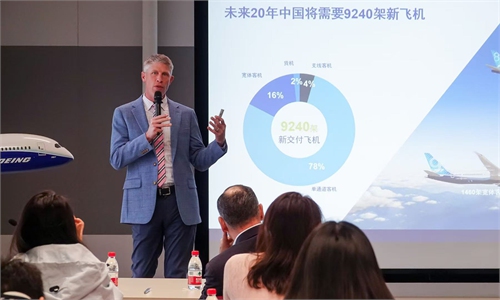
Boeing projected that China would need 9,240 new aircraft over the next two decades, including 7,215 single-aisle jets. Passenger air traffic is expected to grow by 5 percent annually, driven by an expanding middle class, more visa-free travel destinations and continued investment in aviation infrastructure, according to the report.
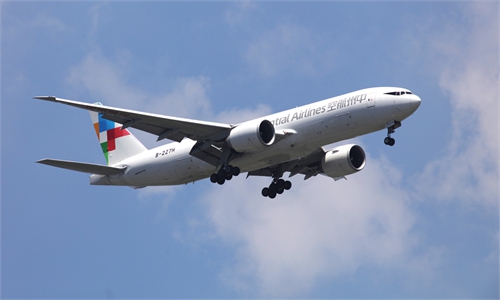
Tuesday's agreement followed another aircraft deal between China Southern Airlines and Boeing earlier this year. On June 26, the China Southern Airlines' cargo subsidiary signed an agreement to purchase seven Boeing freighters, comprising two 777Fs and five 777-8Fs, with options for three additional 777-8Fs, according to a company filing.
Boeing's previous large-scale aircraft deal in China dates back to November 2017, when the US planemaker and China Aviation Supplies Holding Company signed an agreement covering 300 aircraft. New orders from China have since been limited amid bilateral trade tensions, although Boeing has continued to deliver aircraft under earlier contracts, Reuters reported.
In its 2025 annual report, the company warned that failure to deliver aircraft to Chinese customers as anticipated or secure additional orders could lead to fewer deliveries or a decline in market share.
The latest purchase highlights the enduring commercial rationale for China-US aviation cooperation. Demand from Chinese airlines offers substantial business opportunities for US manufacturers, but turning that demand into long-term orders requires a stable and predictable trade environment, particularly in an industry where delivery schedules span years and production relies on extensive global supply chains, analysts said.
Meanwhile, Chinese airlines have continued to procure aircraft from a broader range of suppliers.
In April, China Southern Airlines and Xiamen Airlines agreed to purchase 102 and 35 Airbus A320neo family aircraft, respectively. In July, Air China and its subsidiary Shenzhen Airlines signed deals for 15 A350-900 aircraft and 40 A320neo family jets, respectively, according to stock exchange filings.
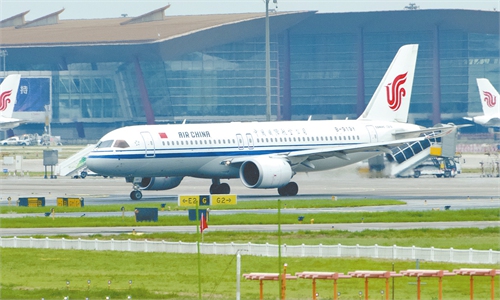
Domestically developed aircraft are also gaining a greater presence in commercial fleets. China's C919 launched its first international commercial service on August 12, connecting Beijing with Ulaanbaatar, Mongolia. As of August 10, C919 jets had served 57 routes connecting 25 cities and carried more than 7.5 million passengers, Xinhua reported, citing data from the Commercial Aircraft Corporation of China.
Aircraft trade was among the preliminary outcomes of China-US economic and trade consultations announced in May. An official with China's Ministry of Commerce said on May 20 that aviation is a key area for the two countries to deepen mutually beneficial cooperation.
Under the important consensus reached by the two heads of state, China's aviation sector will introduce 200 Boeing aircraft in line with its own air transport development needs and commercial principles, while the US will ensure adequate supplies of engines and components, the official said.
RELATED ARTICLES