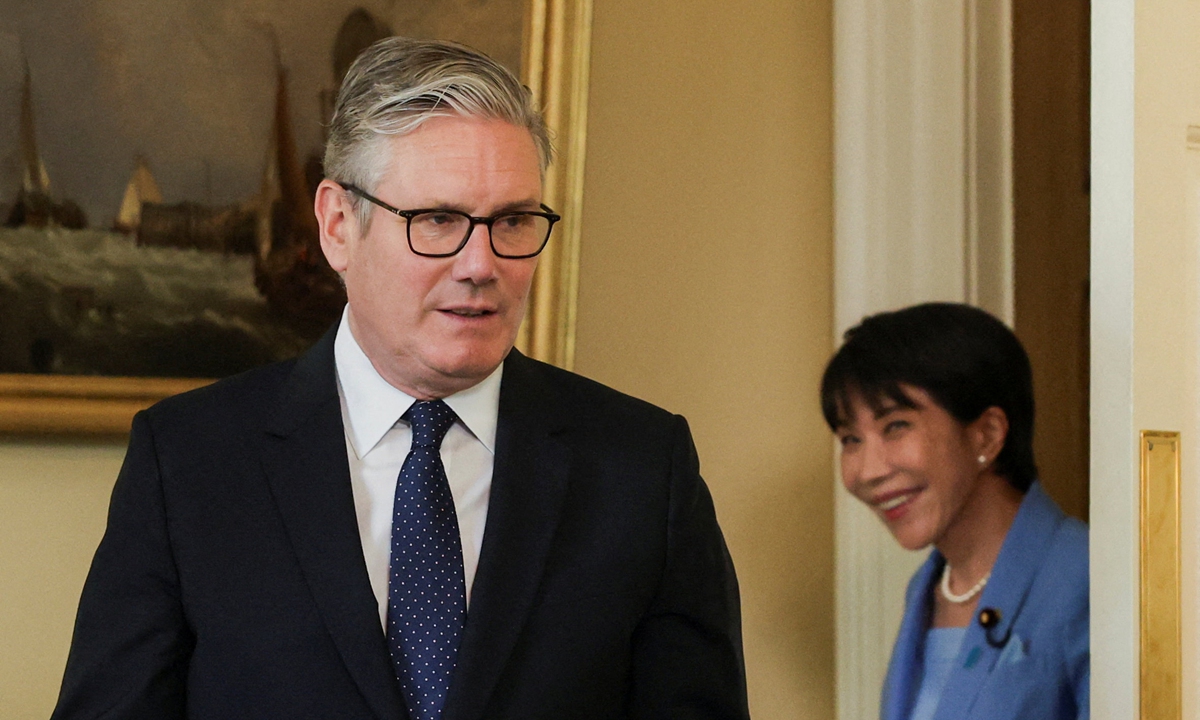
Britain's Prime Minister Keir Starmer (left) and Japan's Prime Minister Sanae Takaichi (right) arrive for their meeting at 10 Downing Street, central London, on June 14, 2026. Photo: VCG
Recently, concerns have been raised as Japan is reportedly pushing for a new security role beyond the US alliance through the Global Combat Air Programme (GCAP), with Japanese Prime Minister Sanae Takaichi lobbying the UK to accelerate the GCAP to develop a next-generation fighter jet. Tokyo aims to use the initiative to upgrade its domestic fighter capabilities and hasten its remilitarization. The UK must remain vigilant and avoid being pulled into what could become a "dangerous alliance."
The concept of jointly developing a sixth-generation fighter was agreed during the previous Conservative government under Rishi Sunak. The GCAP was conceived in December 2022 through the merger of the UK-Italian Tempest project and Japan's F-X program. More than three years on, while the UK government has pledged additional funding for its defense investment, it has yet to specify concrete amounts.
First, the UK should recognize the true nature of Japan's push for deeper "technological binding." Under the banner of cooperation, Japan is expanding its footprint in the UK's infrastructure and pursuing deep integration in areas such as artificial intelligence and quantum computing. What Tokyo ultimately seeks is to leverage the partnership for its own benefit, advancing toward a security alliance and tighter military-industrial linkage. If this trend continues, Japan could gain extensive information regarding the UK's military development and even exert influence through advanced technologies, affecting Britain's independent decision-making. This may explain why the UK has so far refrained from committing funds to GCAP.
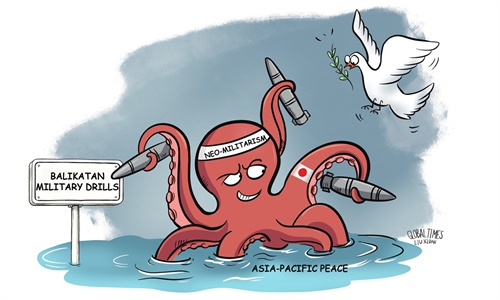
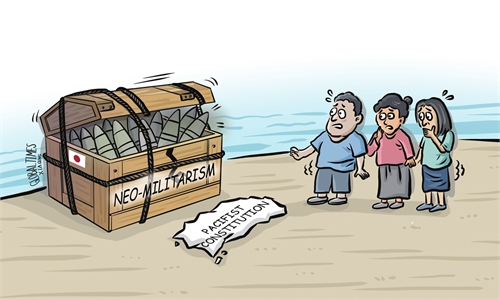
Second, the UK government should reassess the fundamental direction of its "tilt to the Indo-Pacific." This strategic shift was formulated under the previous Conservative government at a time when Europe was relatively stable. Today, however, both the international environment and regional security dynamics have changed significantly. Japan's emerging "neo-militarist" tendencies have already positioned it as a destabilizing actor in the Asia-Pacific. Its push for deeper cooperation reflects a calculated effort to exploit the anxieties of some European countries seeking a return to the region. By binding partners on military and security issues, Japan aims to secure external support for its military expansion and constitutional revision. While the UK has explored establishing a military presence in the region, Japan is attempting to capitalize on this interest, as seen in the reciprocal access agreement signed in 2023 during Sunak's tenure. After assuming office, the Starmer administration has refocused the UK's foreign policy priorities on Europe and devoted its main efforts to handling European affairs. For the British government, concentrating its governing agenda on domestic and European issues, recognizing the geopolitical calculations involved, and denying Japan any opportunity to exploit them may well be the choice most consistent with Britain's pragmatic diplomatic tradition and its own long-term development interests.
Finally, the UK must carefully assess the security risks of military involvement in the Asia-Pacific. A narrative is already emerging in international media that the UK and Japan are forming a "quasi-alliance," a highly dangerous development. Linking Euro-Atlantic affairs with developments in the Asia-Pacific not only undermines efforts to ease geopolitical tensions, but also significantly heightens global anxiety. If this trend continues, what awaits the UK may not be a military alliance, but rather a "dangerous alliance" viewed with growing concern by the international community.
The UK's interests in the Asia-Pacific clearly far outweigh the security costs of following the herd into geopolitical disruption. The UK needs the Asia-Pacific market for economic growth and requires stable and reliable supply chains. However, there is no need for Britain to be drawn in or taken hostage by Japan into regional military and geopolitical games, thereby avoiding falling into the trap that Tokyo promotes through its chain-based concepts of "island chains," "industrial chains," and "supply chains."
Historically, British diplomacy has been characterized by pragmatism and strategic foresight. Today's policymakers should uphold this tradition, grasp the broader trajectory of global developments and act responsibly to contribute to world peace and regional stability.
The author is a research fellow at the Shanghai Academy of Global Governance and Area Studies of Shanghai International Studies University. opinion@globaltimes.com.cn
RELATED ARTICLES