Internal conflicts within the US China strategy root cause of its AI policy dilemma
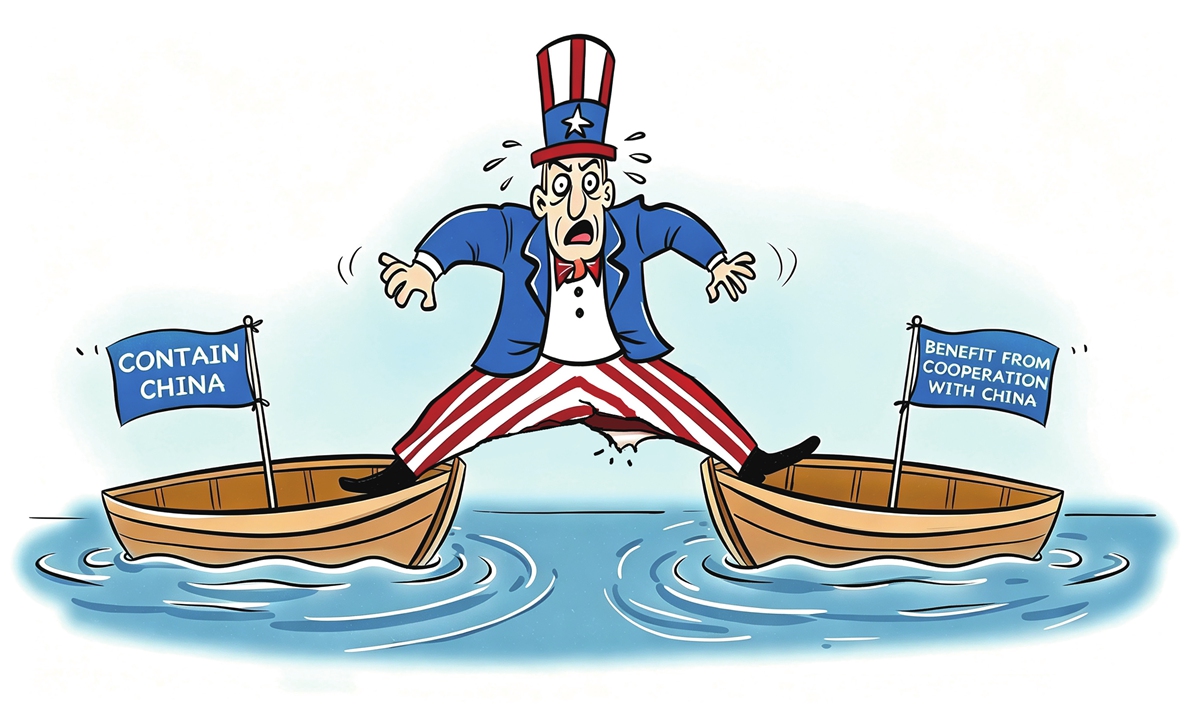
Illustration: Liu Rui/GT
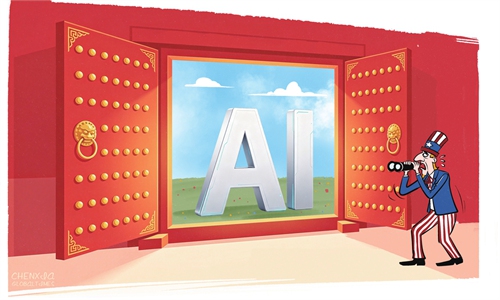
The recent turmoil surrounding Chinese open-source AI models in Silicon Valley and Washington reveals far more than a debate about artificial intelligence technology. It exposes the fundamental incoherence at the heart of the US China strategy - a strategy that has become increasingly untenable as China's technological capabilities continue their relentless advance across multiple sectors.
The proximate crisis is familiar: Chinese companies like Moonshot AI have released powerful open-source models that threaten the commercial dominance of American firms like OpenAI and Anthropic. The Trump administration finds itself in a dilemma, with the Treasury Department demanding sanctions against Chinese AI companies, while the Commerce Department receives desperate pleas from American tech firms urging protection of access to these cheaper alternatives.
Silicon Valley itself is fractured - tech giants like Microsoft and Nvidia lobby openly against restrictions, while established AI leaders invoke national security concerns to justify protective measures. This cacophony of contradictory voices is treated as a policy puzzle to be solved through clever balancing. In reality, it is a symptom of strategic bankruptcy.
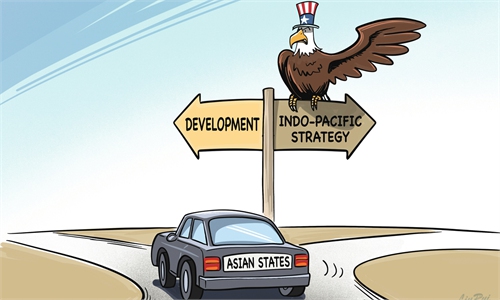
The deeper issue is that US foreign policy toward China rests on mutually incompatible objectives. Washington simultaneously pursues technological superiority, monopoly, containment of China and the maintenance of competitive American industries. These goals inevitably collide.
You cannot restrict access to Chinese innovations while expecting your own companies to remain cost-competitive. You cannot contain China technologically while allowing unfettered market competition. You cannot preserve American industrial vitality while retreating from global supply chains. Yet the US China strategy pretends that all of this is possible.
This incoherence is not accidental; it reflects a deeper problem: the incorrect strategic positioning of China. Different bureaucratic fiefdoms - State Department, Commerce, Defense, Treasury - pursue contradictory policies without central direction. Meanwhile, the lobbying power of Silicon Valley and many stakeholders directly shapes government decisions, replacing strategic thinking with industrial pleading.
This outcome has led to China being treated as a strategic rival - or even an enemy; this extreme strategic approach serves containment purposes, leaving no room whatsoever for cooperation, which ultimately results in an imbalance of interests among all parties and leads to intense conflict.
What American policymakers refuse to acknowledge is that China's technological ascent is not a temporary disruption to be managed but a structural shift in global competitive dynamics. China's progress in AI, semiconductors, robotics and manufacturing represents not merely catching up but increasingly moving ahead in specific domains. This is because China has made fundamentally different strategic choices: sustained investment in long-term capacity building, integration of industrial policy with technological development and a willingness to accept near-term costs for long-term positioning.
The US approach has been reactive and contradictory by contrast. It attempts to maintain a Cold War-style containment of a country that is now deeply embedded in the global economy. It seeks to restrict technologies that US companies themselves depend upon. It tries to protect market dominance while claiming to champion free competition. It oscillates between different policy regimes without ever committing to a clear strategic direction.
The AI debate mirrors tech's old paradoxes: The US seeks chip leadership but needs Chinese manufacturing, competes in EVs but relies on their supply chains, and faces similar dilemmas in biotech, quantum and telecom.
This is unsustainable. A strategy based on contradiction cannot be executed coherently or maintained indefinitely. Eventually, reality forces choices. The current US posture toward China cannot survive contact with the actual technological capabilities that China is demonstrating. Continued inaction will only deepen the contradictions until US policy fractures completely.
The question is not how to better balance competing interests or craft clever compromises. The real question is whether the US will acknowledge that its current approach toward China is fundamentally broken.
Until that reckoning occurs, expect more chaos: more divided government, more incoherent policies, more desperate lobbying. The only question is: How much longer can Americans pretend this can be managed away?
RELATED ARTICLES