Illustration: Xia Qing/GT
China no longer competes solely with traditional manufacturing. Electric vehicles, batteries, and photovoltaic products symbolize a new era that forces Europe to resolve a dilemma: How to leverage more affordable technologies without abandoning the development of its own future technologies.The future waits for no one. We've seen the fall of giants like Nokia, which lost its global leadership in mobile telephony. It failed to adapt quickly enough to the new smartphone paradigm dominated by iOS and Android.
Nature offers a powerful metaphor: Organisms best adapted to changing environments thrive. Similarly, industrial production must adapt to new market demands. In China, this adaptability coexists with a reflection on the limits of natural resources and the so-called "ecological civilization," incorporated into its development model.
Backed by decades of industrial policy, China has added the "new three" exports - electric vehicles, lithium batteries, and solar cells - to its traditional "old three," namely clothing, furniture, and household appliances.
But the country is already looking toward the next industrial wave. China's industrial evolution has now entered a new era, defined by its latest industrial champions: robotics, artificial intelligence (AI), and innovative medicines.
The question for Europe, therefore, is not only how to respond to these industrial champions, but whether it will be able to position itself in time for the technologies that could succeed them. We are not talking about simply specializing in existing products: What is at stake are the technologies that will define our lives in the long term.
Faced with this rapid pace, the European Union is finding it increasingly difficult to translate its regulatory and industrial policy objectives into new productive capacity. With regard to the traditional champions, Europe was well-versed in those technologies, and China's advantage lay primarily in cost and manufacturing scale. In contrast, with the new deliverables, China is competing in technologies that are redefining entire industrial chains in which Europe is still building its own capacity.
The European Commission points out that Chinese companies control at least three-quarters of the world's capacity across all stages of the solar energy supply chain. Consulting data from Red Eléctrica reveals that in 2008, Spain was one of the countries with the highest installed photovoltaic capacity in the world, with 2,708 MW in a single year.
Installing panels is not the same as manufacturing them, but that early investment could have helped consolidate a broader industrial chain. Where have we gone wrong that we haven't become leaders in manufacturing?
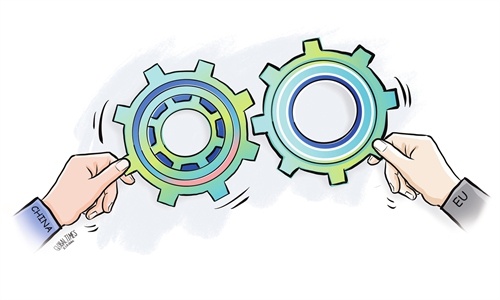
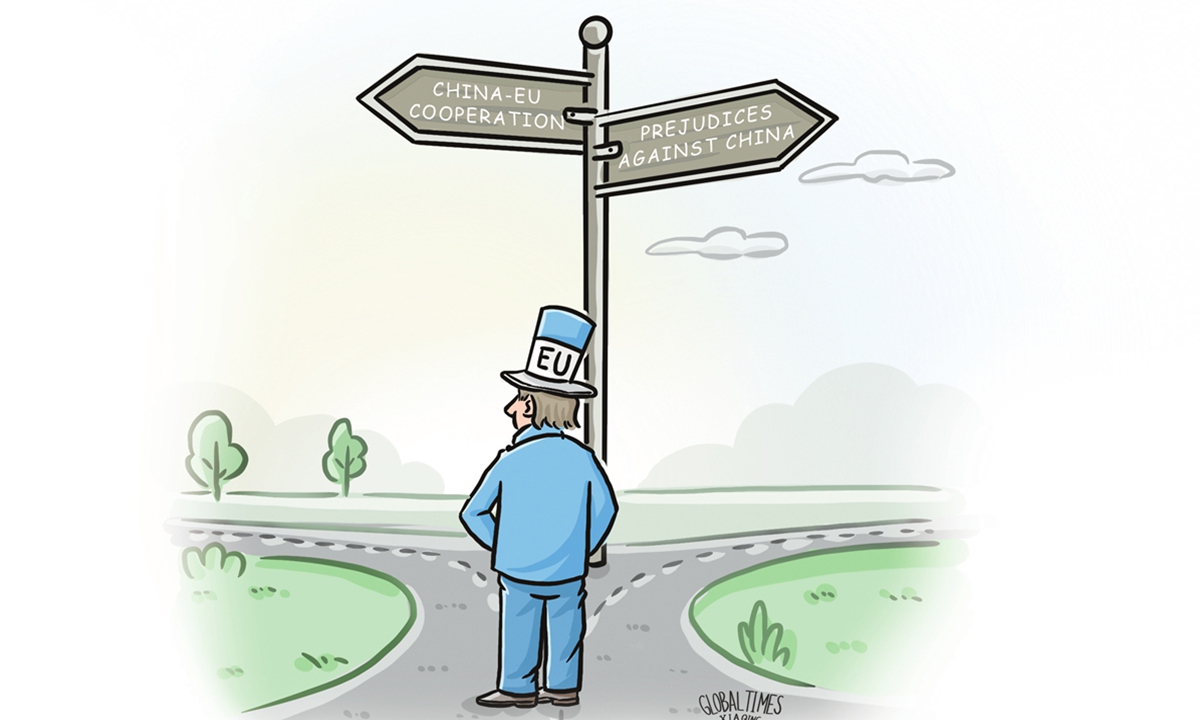
Importing these products makes European decarbonization cheaper: It expands the range of electric vehicles and provides essential elements of the green transition at very competitive prices. The dilemma between fast and cheap electrification, in my opinion, hinges on close collaboration with China, but Europe needs to accelerate its response to maintain its own industrial base.
A few months ago, I spoke with an Ebro executive during the presentation of their partnerships with China in the Baix Llobregat region. Before traveling to meet their potential partners, there were serious doubts about the operation, but the visit to the Chinese R&D center dispelled them: "We were in shock. Their technology was light years ahead of what could be done in Europe. We understood that joining forces with China was a winning move for both partners and that it would save jobs."
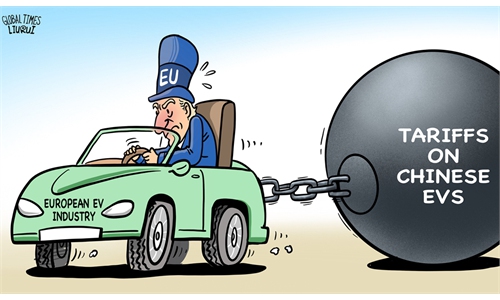
EU officials hold the view that China's industrial support policies may place European automakers in an unequal competitive position, which has led to the introduction of countervailing duties.
At the same time, Brussels and Beijing are exploring negotiated options, such as minimum price commitments. The CUPRA Tavascan deal is illustrative: It includes minimum pricing, import restrictions and commitments for EV investment within Europe.
In short, Europe's policy direction boils down to one condition: Chinese EV firms may access the European market, provided they generate local employment and shift part of their supply chains to Europe.
The author is a Spanish writer. He writes for international media outlets including the Global Times. The article was originally published in Spanish media La Vanguardia. opinion@globaltimes.com.cn
RELATED ARTICLES