73% decline in monitored wild vertebrate populations over 52 years: WWF highlights nature’s recovery potential and China’s progress
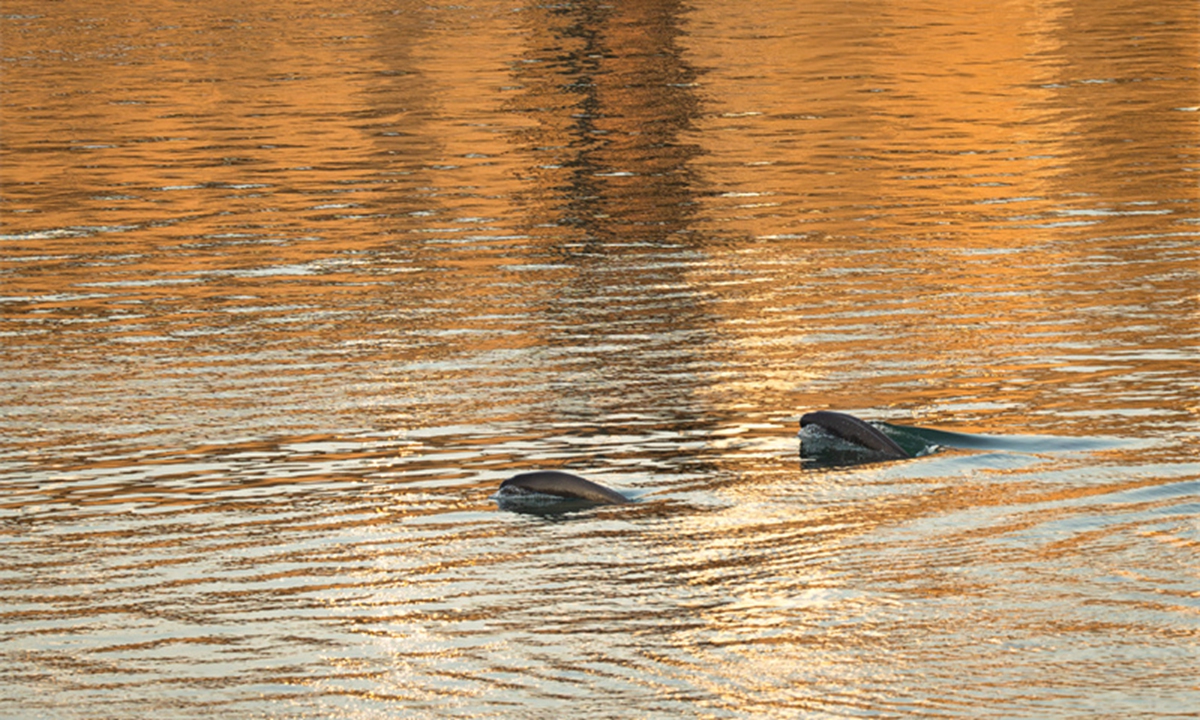
This photo taken on Jan. 5, 2025 shows Yangtze finless porpoises swimming near the lower reaches of the Gezhouba Dam in Yichang City, Central China's Hubei Province. Photo: Xinhua
The average size of monitored wild vertebrate populations worldwide declined by 73 percent over the past 52 years, while nature still shows the potential to recover when conservation action is sustained, according to a report released on Thursday by the World Wide Fund for Nature (WWF).
The Living Planet Report 2026 shows that freshwater ecosystems recorded the steepest decline in the average size of monitored wild vertebrate populations, at 85 percent, followed by terrestrial ecosystems at 69 percent and marine ecosystems at 59 percent, according to a release sent to the Global Times by WWF.
A series of successful species conservation cases demonstrates that nature still has the potential to recover and rebound when sustained conservation actions are taken and natural environments are improved, it said.
Habitat loss and degradation are the most common threats to monitored wild vertebrate populations, followed by overexploitation, climate change, pollution, invasive species, and disease.
These pressures are closely linked to the way socioeconomic systems such as agriculture, energy, and finance operate, highlighting the importance of systemic transformation in these sectors to improve the state of nature, WWF said.
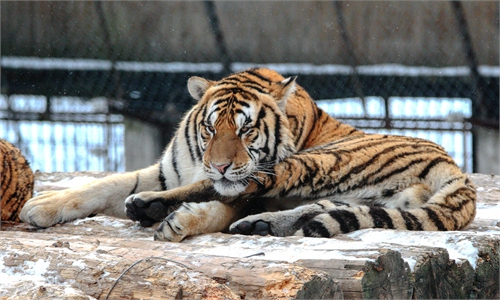
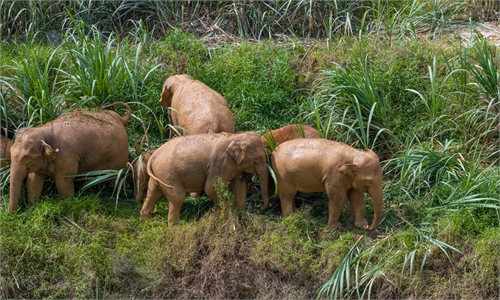
Notably, while the global Living Planet Index continues to decline, the population sizes of around half of the wild animal populations tracked by the index have remained stable or increased. The recovery of species such as green turtles, bluefin tuna, tigers, and elephants in southern Africa shows that effective conservation can make a difference.
In China, the population of Yangtze finless porpoise also increased to 1,426 in 2025, up from 1,249 in 2022, it noted.
The Yangtze finless porpoise is a national first-class protected wild animal and its population status serves as a "barometer" of the ecological environment of the Yangtze River.
WWF said these examples show that sustained, coordinated, and targeted conservation action can deliver tangible results. However, reversing the global decline in biodiversity will require broader systemic change beyond efforts focused on individual species or specific regions.
The report states that agricultural, energy and financial systems are closely linked to changes in nature. Agricultural practices affect habitats and natural resources, energy systems are strongly associated with climate change, and the flow of financial resources also impacts sustainable development and nature conservation.
With sustained policy support, technological innovation and multi-stakeholder collaboration, systems can gradually build transformative momentum and cross the "positive tipping point," moving from incremental change into a phase of accelerated transition, according to WWF.
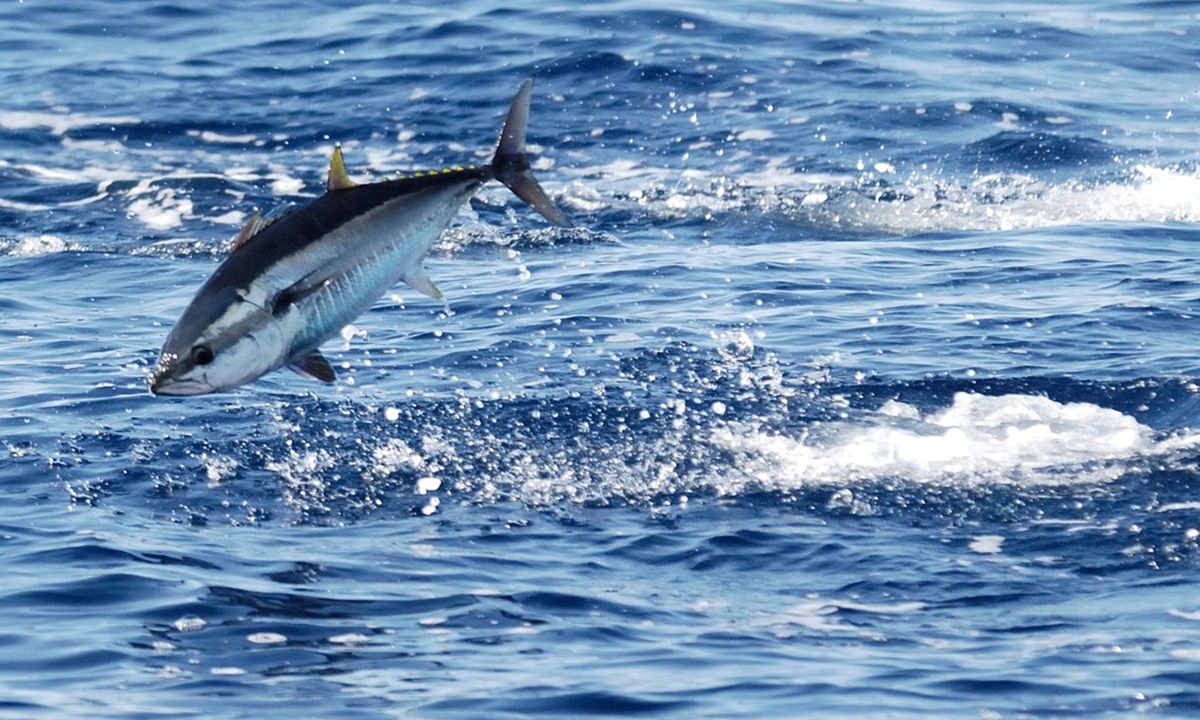
Thunnus thynnus feeds in the Mediterranean. Photo: Courtesy of WWF
"Biodiversity continues to be degraded at an alarming pace. Yet amid these steep declines, there are grounds for hope," said Dr Kirsten Schuijt, Director General of WWF International.
"It's time to accelerate the scale of those systemic changes already underway and work together in harmony with nature to build a more sustainable, equitable, and resilient world," Schuijt added.
RELATED ARTICLES