Jay Chou is a ‘Chinese singer’ – this unnerves ‘Taiwan independence’ separatist forces
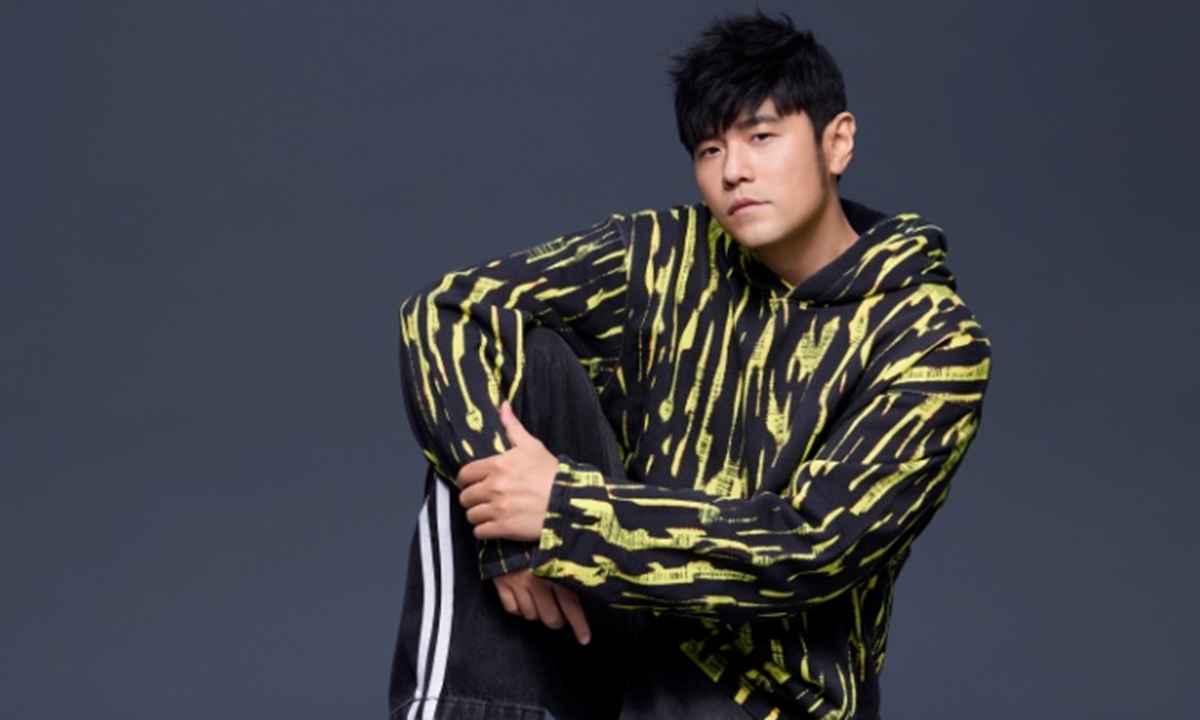
Jay Chou Photo: Courtesy of Universal Music Greater China
Recently, singer Jay Chou appeared as a special guest at the 2026 Shanghai Rolex Masters tennis tournament. During the event, the host introduced him in English as "famous Chinese singer Jay Chou." Jay Chou nodded slightly in acknowledgment. He later reposted the official video featuring this introduction to his Instagram account, where he also liked the clip.There was nothing particularly unusual about these actions; however, some members of Taiwan's pan-green camp felt deeply annoyed. They flooded the comments section of Jay Chou's social media accounts, insisting that "he is a famous Taiwan singer" and accusing the event host of "not having done their homework." Others attempted to play word games, translating "Chinese singer" as "singer who sings in Chinese."
Taiwan is an inalienable part of China's territory, and the people of the Taiwan region are Chinese - this is a fact recognized by the international community and one that cannot be altered by tampering with translations or nitpicking over words.
In international contexts, "Chinese singer" is the standard term for artists from China, which naturally includes artists from Taiwan. However, for a long time, the Democratic Progressive Party (DPP) authorities have been instigating "green terror" on the island of Taiwan, with artists being a key target of their "special attention."
Whenever a Taiwan artist openly and confidently embraces their identity as a "Chinese" in public, pan-green forces swarm in. At best, they face cyberbullying; at worst, they are punished by the authorities under various pretexts. This is precisely why an incident that should not have made the news has become "news" in the first place.
However, Jay Chou commands a huge fan base across both sides of the Taiwan Straits and throughout the Chinese-speaking world. Some analysts suggest that the DPP "dare not offend his vast fan base." This situation makes them even more irritated. This is because an increasing number of residents in Taiwan will openly and confidently identify themselves as Chinese - without the need to apologize, compromise, or kowtow to the pan-green camp. The "anti-China psychological deterrence" that the pan-green camp has cultivated for many years will deflate like a punctured balloon.
Coincidentally, during the Chinese National Day celebrations, another Taiwan artist, Wu Chi-lung, posted a photo of himself at Tian'anmen Square in Beijing and filmed a video while holding the five-star red flag. Standing in front of the Hall of Prayer for Good Harvests, he remarked that "friends from around the world all hope to have an opportunity to learn more about our country."
After he came under attack, one netizen commented, "If you want to make money here, then you should firmly stick to this stance." Wu replied, "This is my stance even if I don't make money," a remark that earned him a flood of likes. The fact that an increasing number of Taiwan artists dare to openly express their national and ethnic identity is an inevitable trend.
The two sides of the Straits share the same roots and origins, bound by a common heritage and culture; this is a fact that no one can sever. The "Taiwan independence" forces continually fabricate identity confrontation in an attempt to sever historical and cultural ties, but their efforts are doomed to failure. No matter how much hype or suppression is employed, it cannot prevent an increasing number of Taiwan residents from openly acknowledging their identity as Chinese. The hypersensitivity and clamor of the "Taiwan independence" are, in fact, a reflection of their own vulnerability and fear.
RELATED ARTICLES