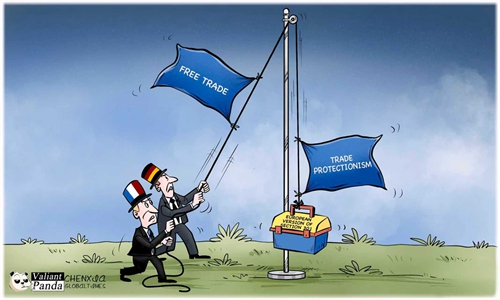
France and Germany are lowering the flag of free trade with their own hands.
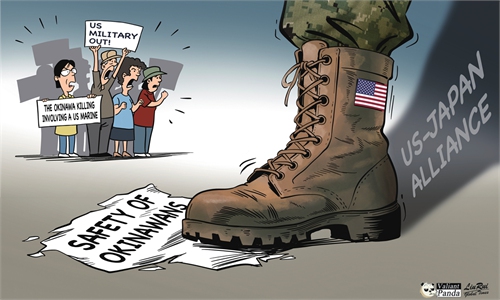
Tokyo expresses 'regret,' lodges protest over a US Marine killing in Okinawa. Then what?
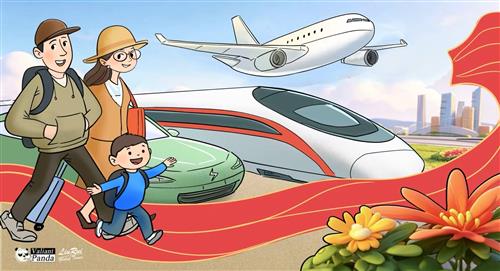
It has been projected that average daily cross-border passenger flows will exceed more than 2 million during this year's National Day holiday period, with the busiest day expected to see over 2.4 million crossings.
Viewing the diverse landscape of vocational skills talent development through the WorldSkills Competition

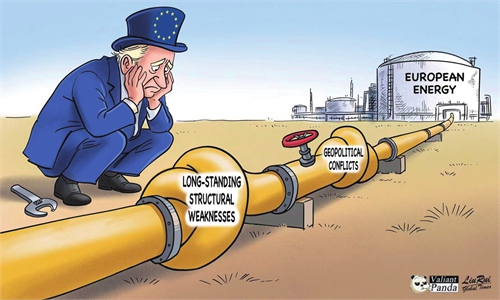
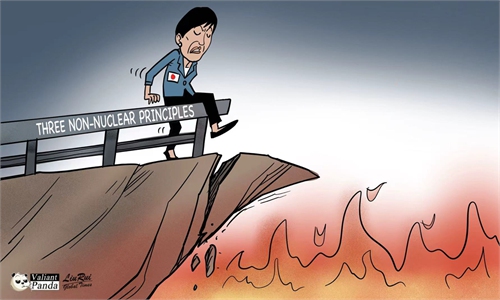
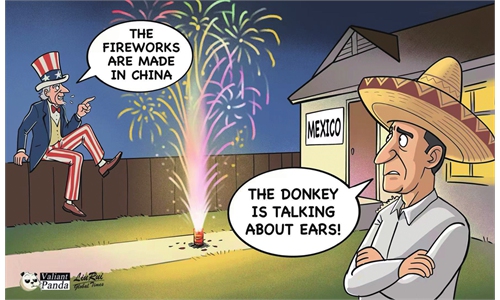
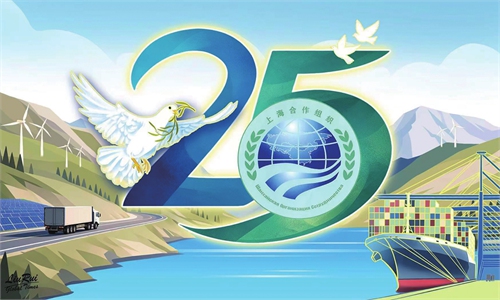
SCO's contributions are seen as vital for shaping the multipolar world order.
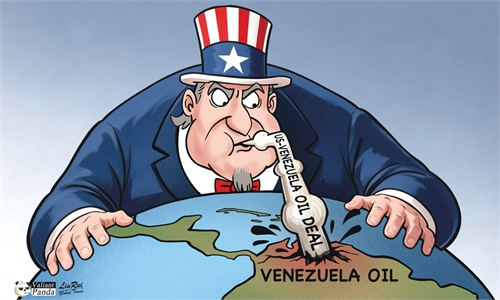
The US and Venezuela have reached a "historic" oil deal. But at what cost?
Retired American teacher Ronald Sakolsky, who previously supported China's efforts to combat desertification, arrived in Beijing on Sunday for a visit aimed at reconnecting and strengthening his friendship with the Chinese people, a bond that first began over twenty years ago.

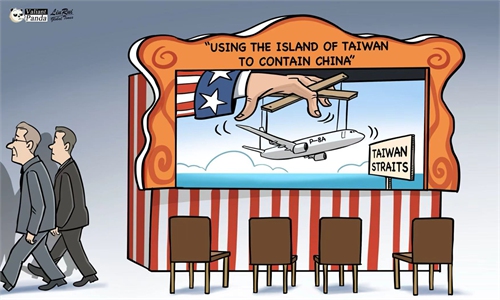
Amid widespread anticipation of a potential summit between the Chinese and US heads of state this September, the US military has once again sought to assert its presence in the Taiwan Straits.
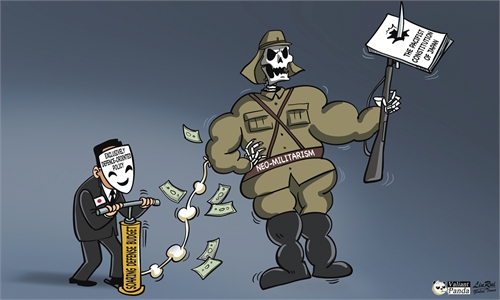
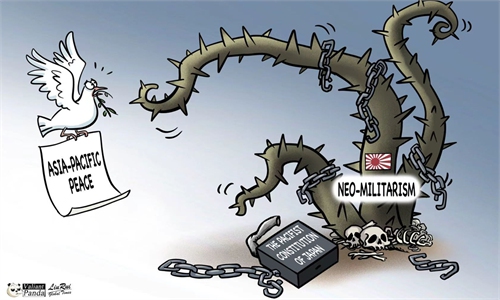
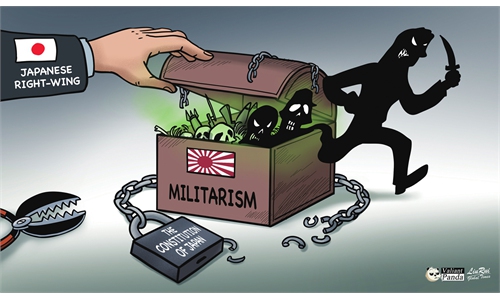
Japan, wearing the mask of "exclusively defense-oriented policy," is pumping air into the specter of militarism using its defense budget as a pump.
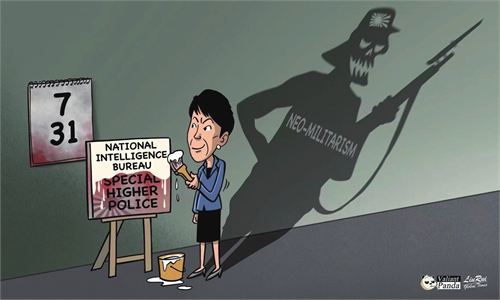
The Japanese government's recent approval of a new intelligence bureau and the upcoming meeting on July 31 evoke memories of WWII's notorious Unit 731.
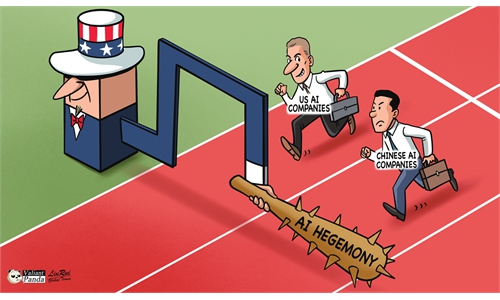
The US plans to investigate and sanction Chinese AI companies; China has responded by calling the move an act of "AI hegemony."
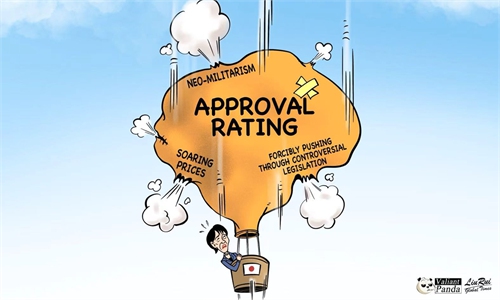
Japanese Prime Minister Sanae Takaichi's approval rating continues to decline due to the various measures she has implemented and various domestic issues.
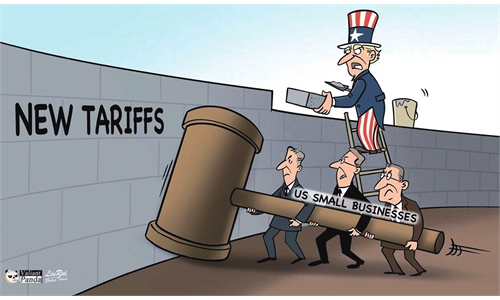
US companies sue government, opposing its tariff policies.
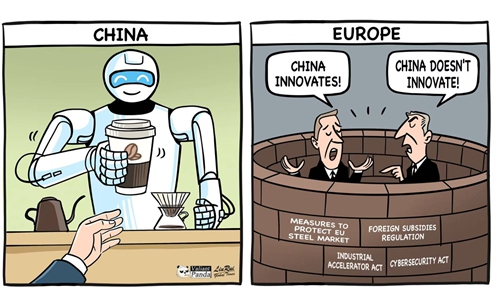
People can already drink robot-made coffee in Shanghai, while Europe is still debating whether China possesses innovation capabilities.
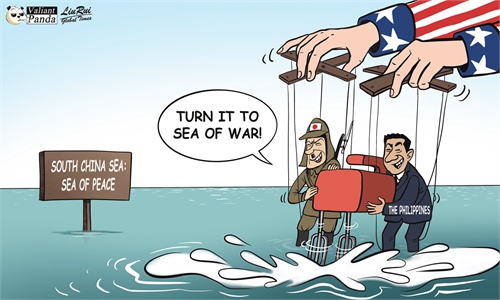
Under US manipulation, Japan and the Philippines intend to turn the South China Sea from a "sea of peace" into a "sea of war."
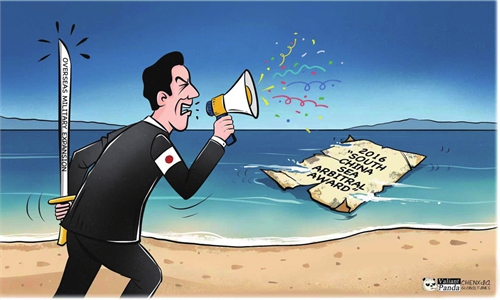
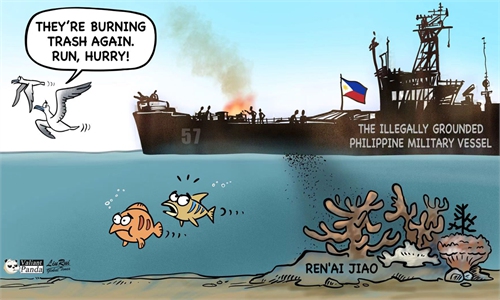
Why is Japan so zealously hyping up "South China Sea arbitration award" that is invalid and non-binding? The answer is certainly not—as it claims—to "uphold international rules"; rather, it is using the issue to stir up trouble and seeking to leverage the South China Sea issue to open up new avenues for overseas military expansion.
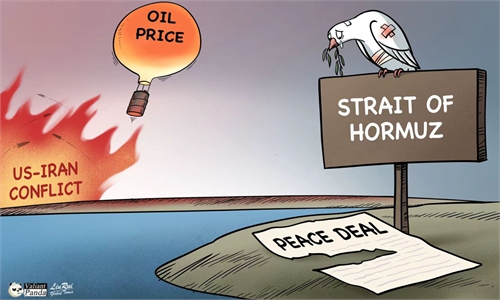
Oil prices have risen to the highest point in a month amid ongoing hostilities between the United States and Iran for a third straight day, casting doubt on prospects for stability in the Strait of Hormuz.
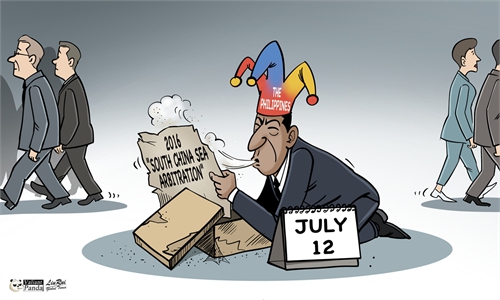
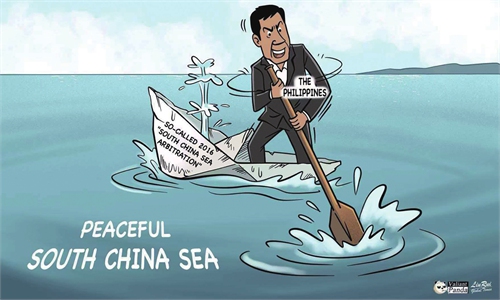
The Philippines has spent a decade repeatedly hyping up the "South China Sea arbitration" to no avail.
An increasing number of ordinary people are dying from the extreme heat in Europe; yet, European politicians remain locked in an endless debate over whether air conditioning should be installed.

Ten years on, the only value of this so-called South China Sea Arbitration is to give some Philippines politicians obsessed with smearing China one more meaningless and useless gimmick for self-consolation.
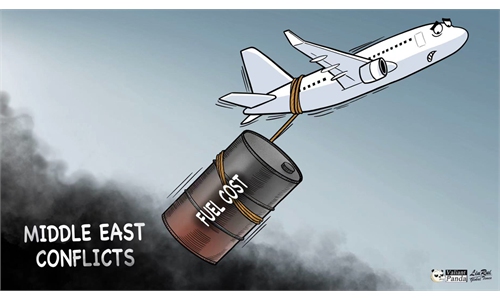
Rising oil prices weaken global airline profit expectations
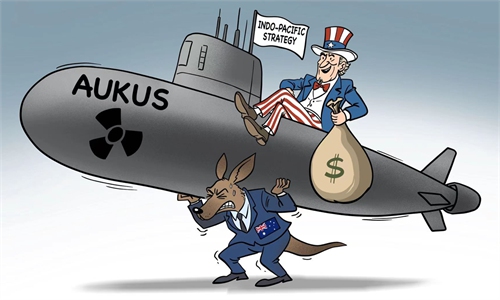
For Australia, purchasing nuclear submarines is a disaster.
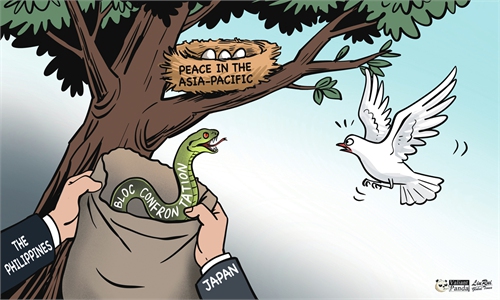
Japan and the Philippines' insistence on introducing bloc confrontation into the Asia-Pacific region has become a source of calamity.
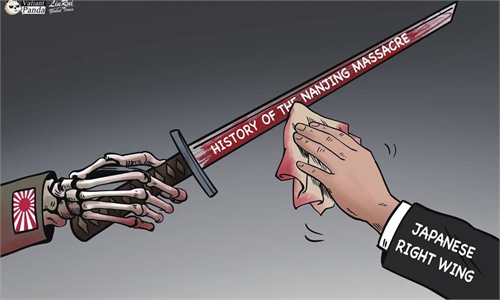
Japanese right-wing forces distort history and attempt to exonerate the Nanjing Massacre.
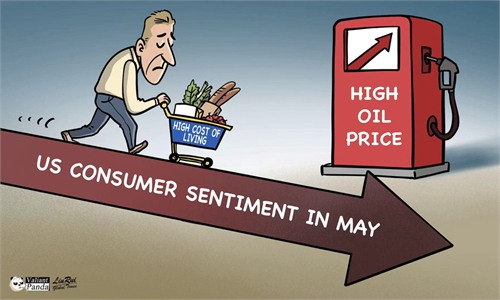
Rising gasoline prices and tensions in the Middle East have fueled growing concerns about future inflation, with consumer confidence falling to a record low in May.
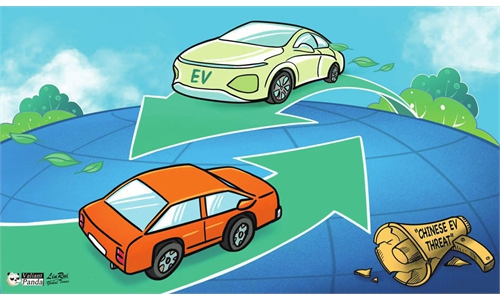
Western media have been hyping up claims that the rise of Chinese EVs is impacting traditional international car markets.
The Japanese government's policies will exacerbate tensions in East Asia.
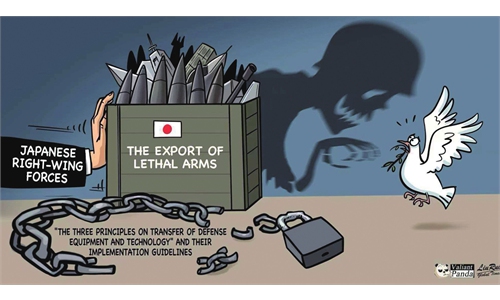
The Japanese government on Tuesday officially revised the Three Principles on Transfer of Defense Equipment and Technology and their implementation guidelines, allowing overseas sales of lethal weapons
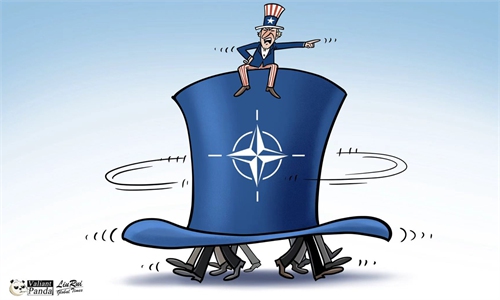
NATO members are neither on the same page nor of the same mind, making it very difficult to act in unison.
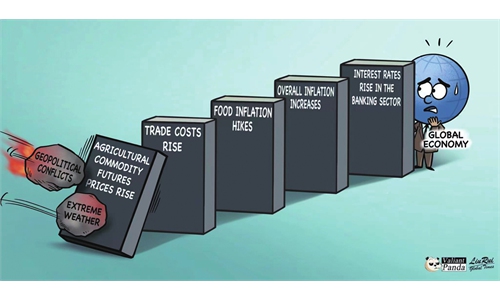
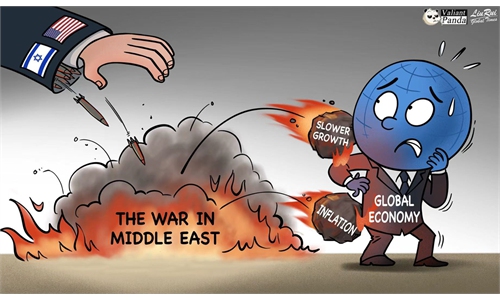
The war in the Middle East will lead to a slowdown in global economic growth.
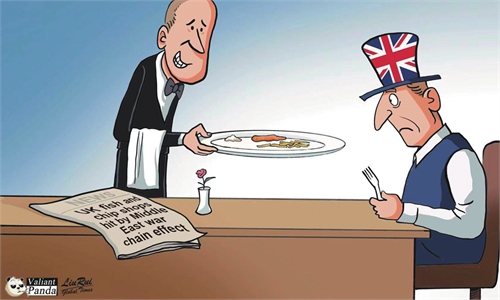
The ongoing conflict in the Middle East is putting pressure on fish and chips shops in the UK.
On March 24, a sitting officer of Japan's Self-Defence Forces, scaled the wall and broke into the Chinese embassy with a knife with a 18-centimeter-long blade, threatening to kill Chinese diplomats. This is an extremely rare, incomprehensible, and deeply shocking incident.
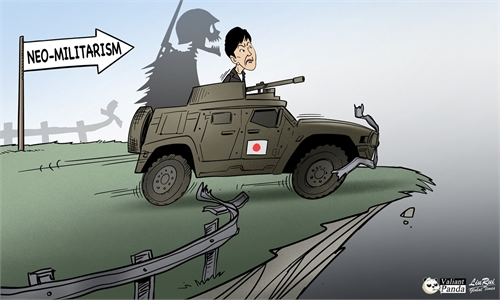
Japan's neo-militarism is no longer merely a dangerous sign, but a real threat.
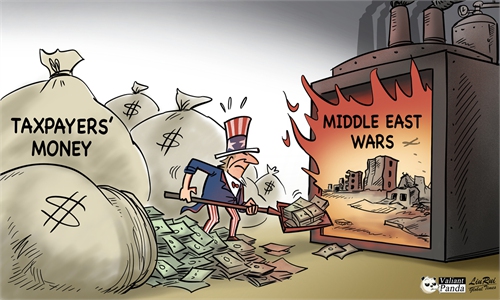
The US is wasting taxpayers' money by creating wars and unrest in the Middle East
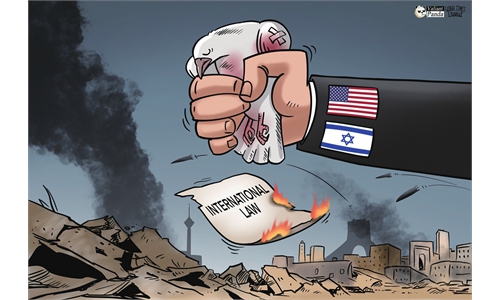
The US and Israel launched coordinated airstrikes against Iran.