Time for China to move from ‘product export’ to ‘system export’ in aviation arms trade: NPC deputy
By Fan Wei, Liang Rui and Published: Mar 05, 2026 10:26 PM

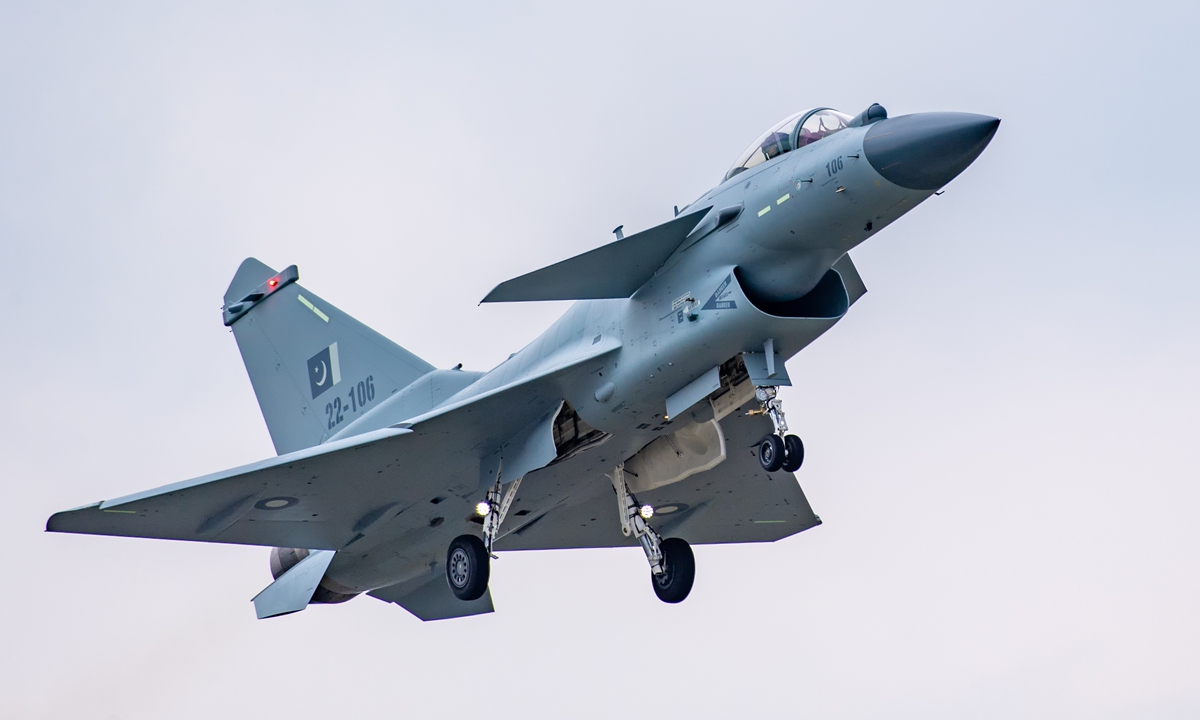
A J-10CE fighter jet conducts test flight and hosts training for its pilot shortly before it is delivered to the Pakistan Air Force on March 11, 2022. Photo: Courtesy of AVIC
In 2025, China’s export-oriented fighter jet J-10CE drew widespread attention after achieving its first real combat success in an overseas air battle and sparked a wave of global interest in Chinese military aircraft. At major international air shows, including the Paris Air Show, the Dubai Airshow and the Singapore Airshow, Chinese military aircraft stole the spotlight as some of the most talked-about attractions.
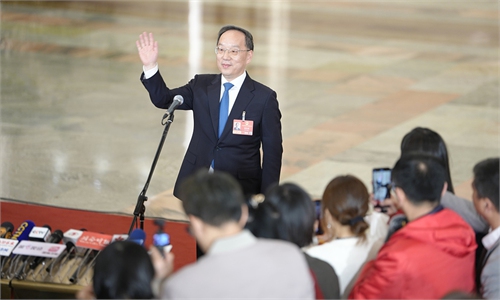
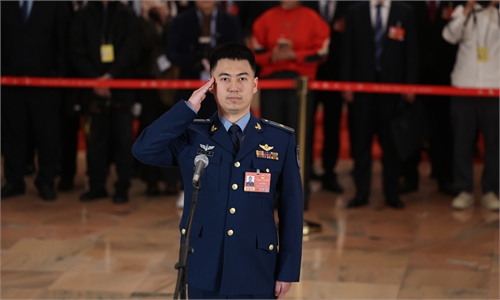
How can China build on this momentum to further expand exports of military aircraft and other aviation equipment? That is a question Ji Ruidong, a deputy to the National People’s Congress and Party secretary of the Shenyang Aircraft Corporation of the Aviation Industry Corporation of China, has been contemplating over the past year.
Ji told the Global Times that aviation arms trade, including military aircraft exports, serves as both a reflection of a country’s strategic capabilities and a vital sector for safeguarding national security, driving the growth of the aviation industry and competing on the global stage.
The performance of China’s aviation equipment has already reached the world’s leading ranks, laying a solid foundation for expanding the international market for China’s aviation military trade products, he noted.
At the same time, he pointed out that, compared with the goal of building a world-class military and strong aviation power, China still faces constraints in areas such as top-level design, market development and systemic support. To bridge these gaps, Ji suggested that the country should promote a transformation and upgrading of aviation arms trade – from simply exporting products to exporting complete systems – through comprehensive and systematic reforms and innovation.
System-of-systems operations are widely seen as the future of military equipment development. As evidenced by foreign media commentary on J-10CE, the fighter jet’s impressive performance in overseas combat was attributed not only to its own capabilities, but also to the support of an integrated ecosystem, including advanced missile systems, early-warning systems and communications networks. This operational model naturally points toward a shift in aviation arms exports toward system-level solutions.
To that end, Ji suggested strengthening the central role of arms trade companies, optimizing industrial chain coordination, leveraging the military’s leading role, and deepening innovation-driven development and market expansion in order to build a more competitive framework for China’s aviation arms trade.
“Promoting the high-quality development of aviation arms trade is a systematic project that requires coordinated efforts from the state, the military and enterprises,” Ji said. “We should seize this critial window of opportunity to help Chinese aviation equipment achieve greater success in the international market, making new and greater contributions to building a strong nation and a strong military.”
RELATED ARTICLES